

SCHOOL LIFESCHOOL LIFE
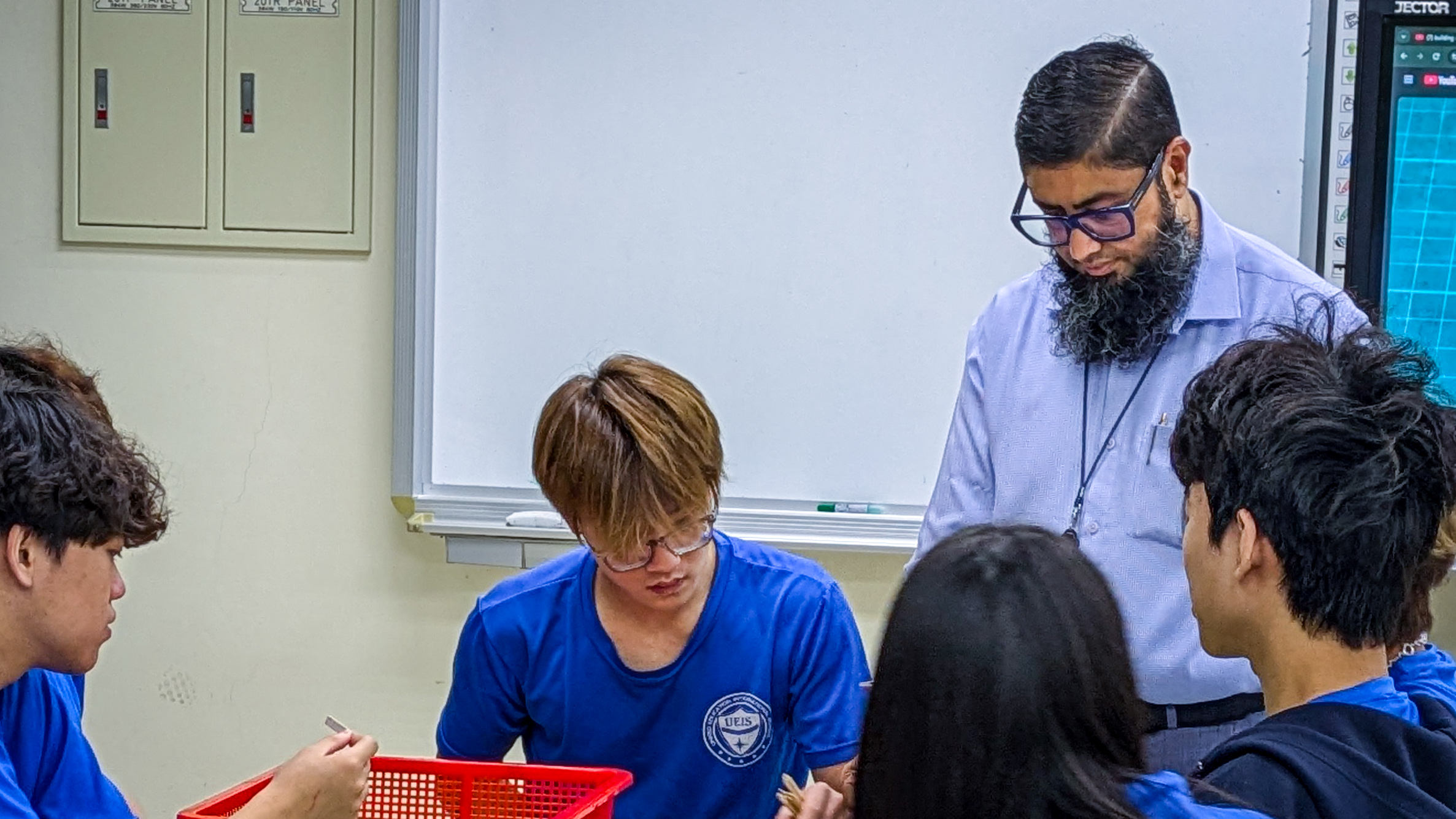
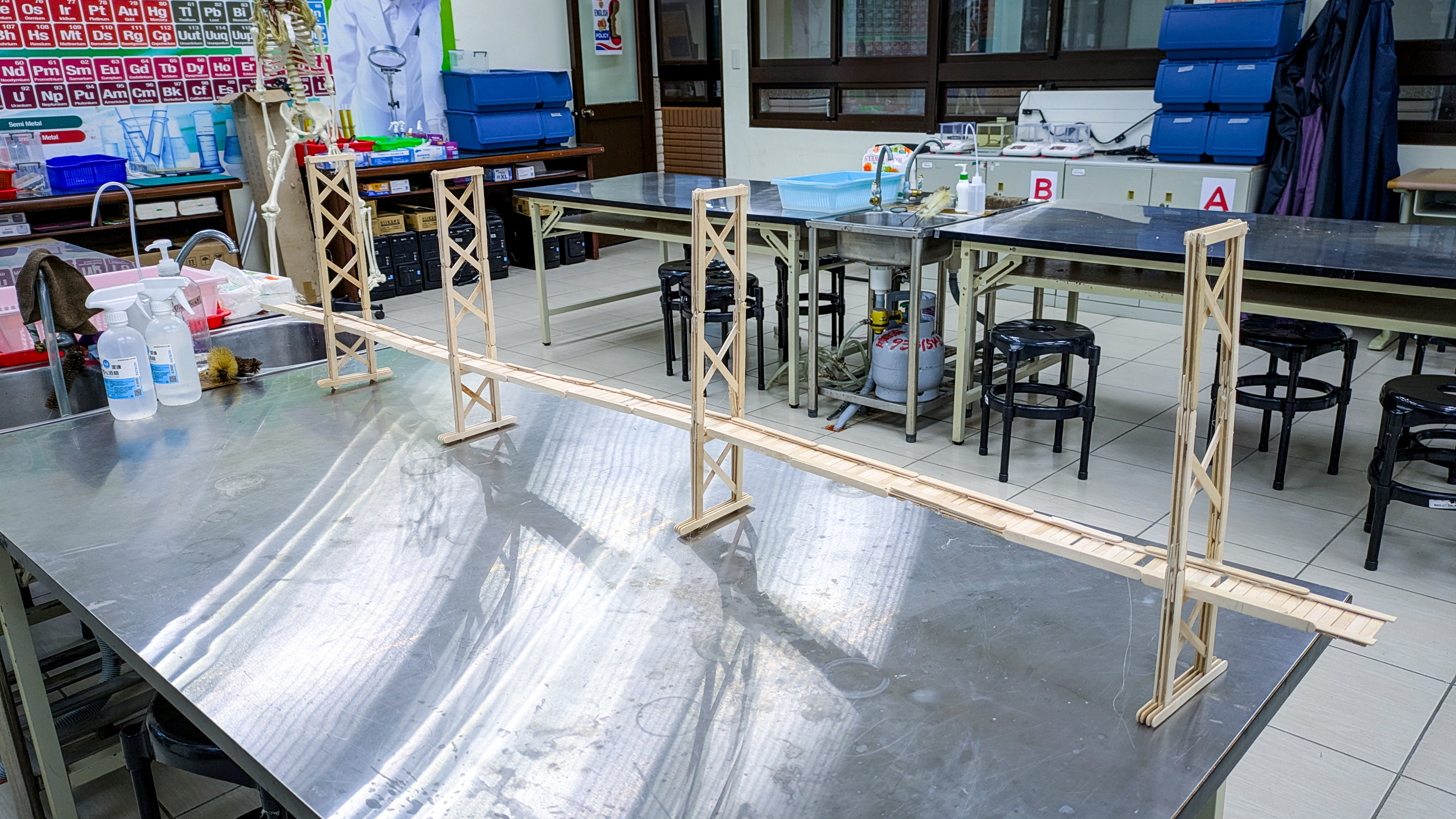
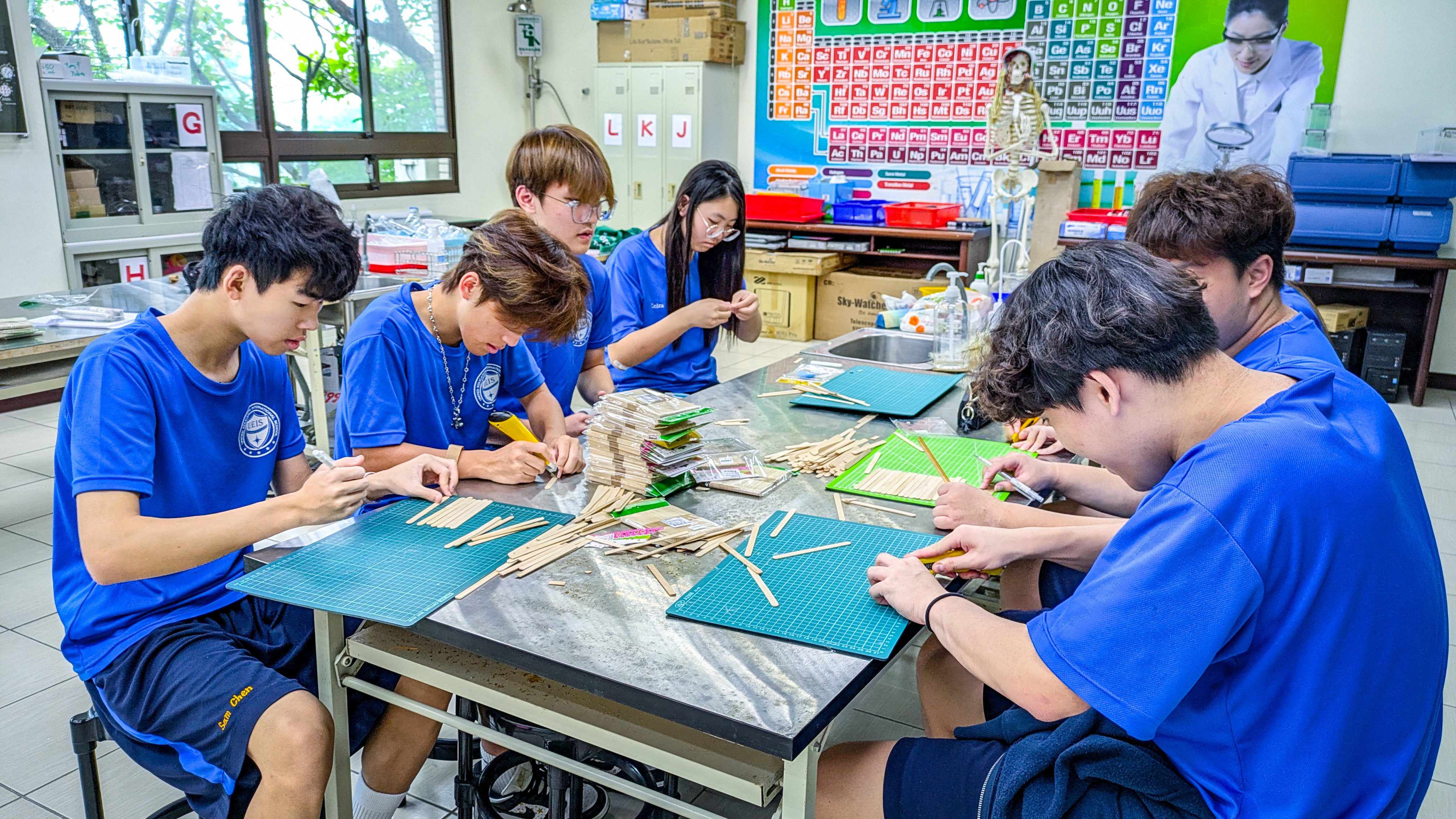
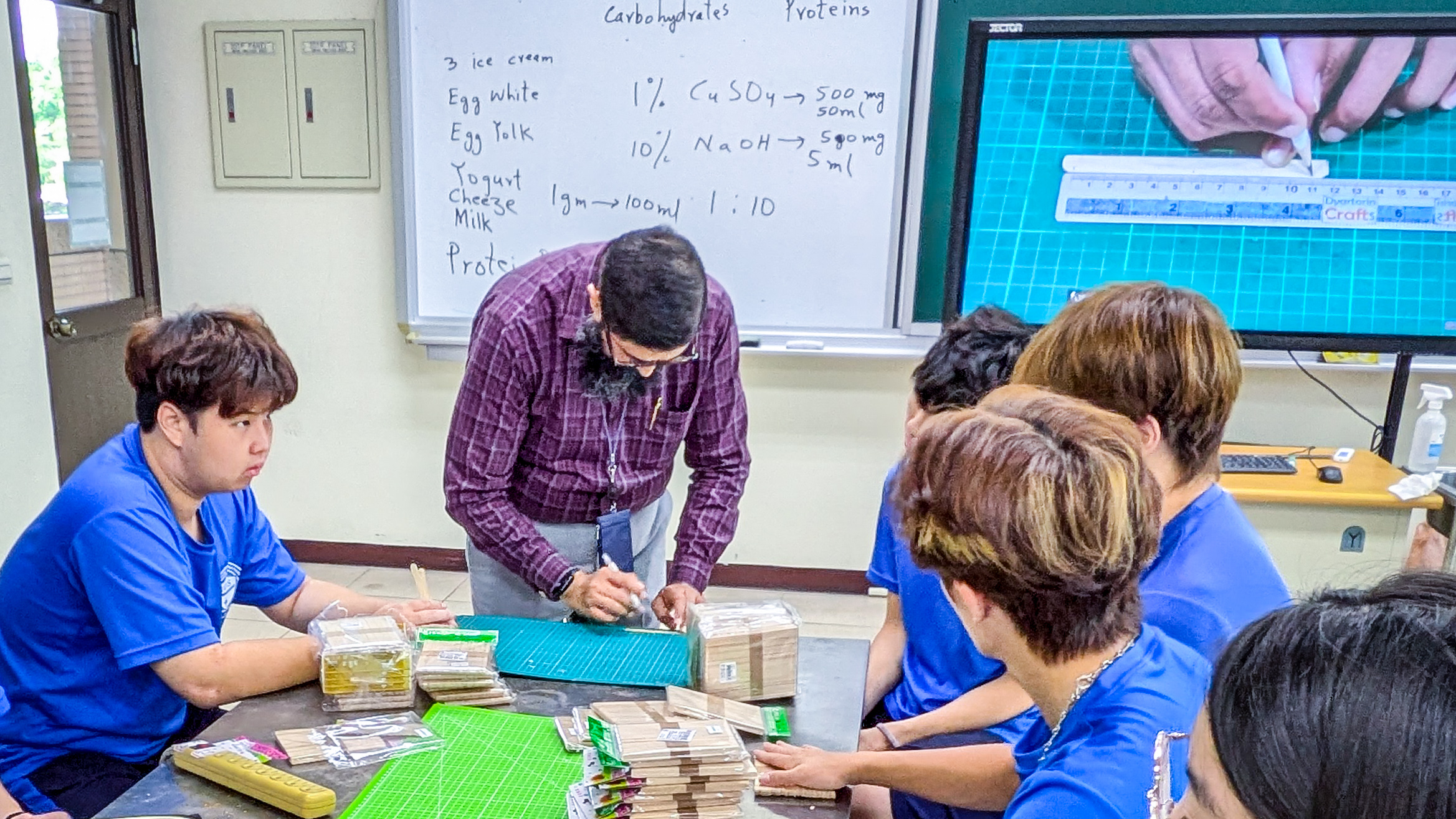
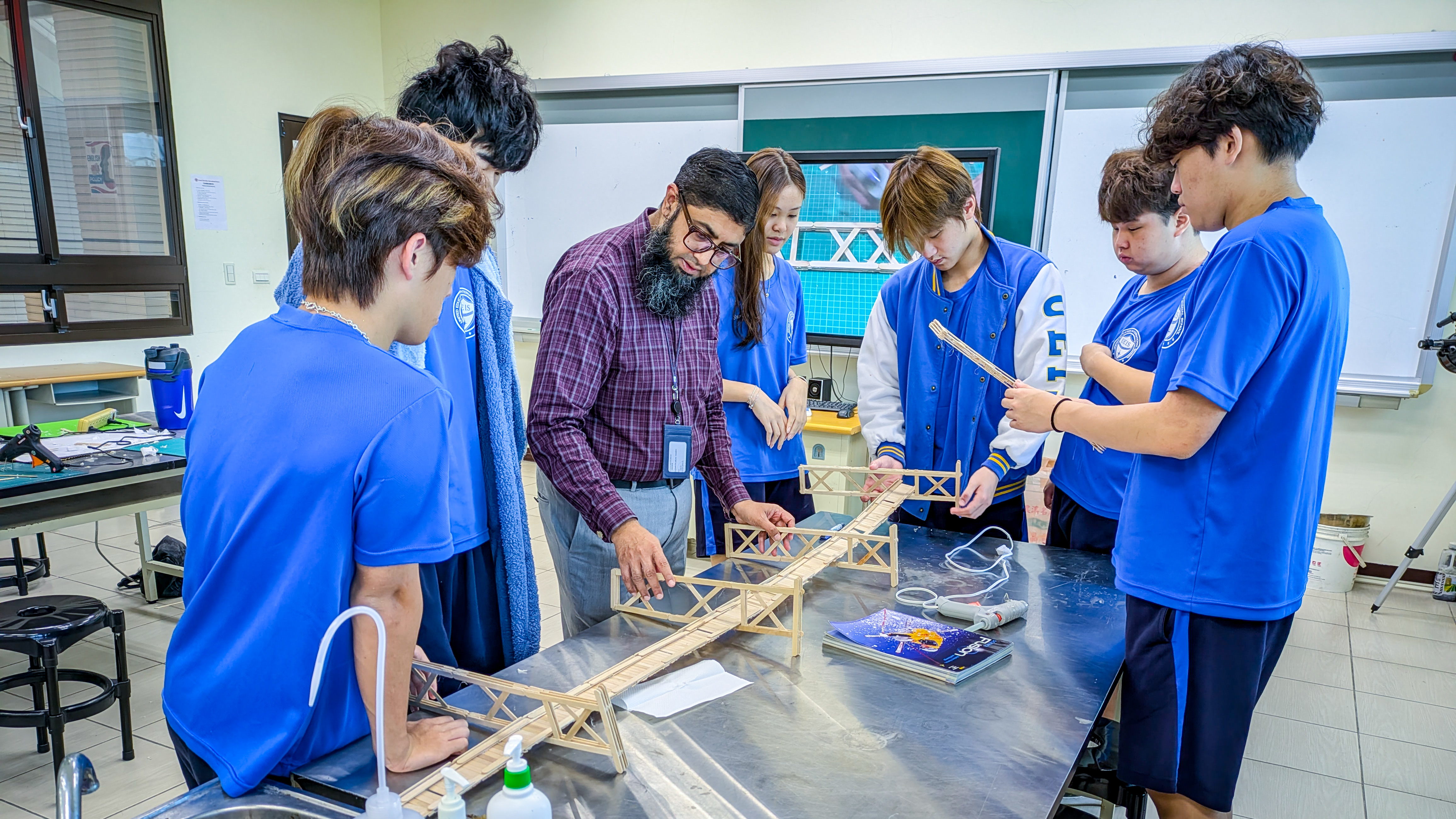
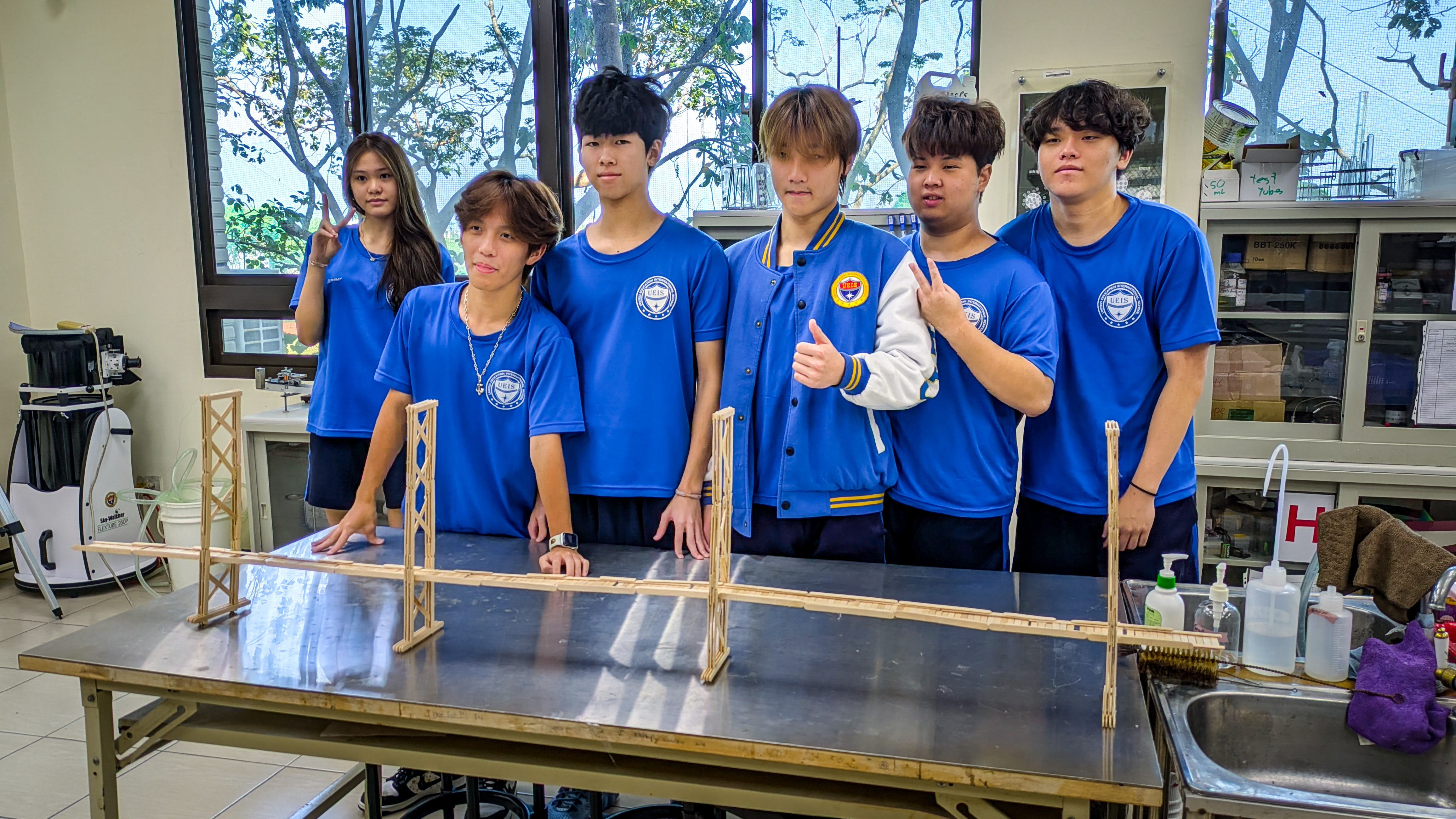
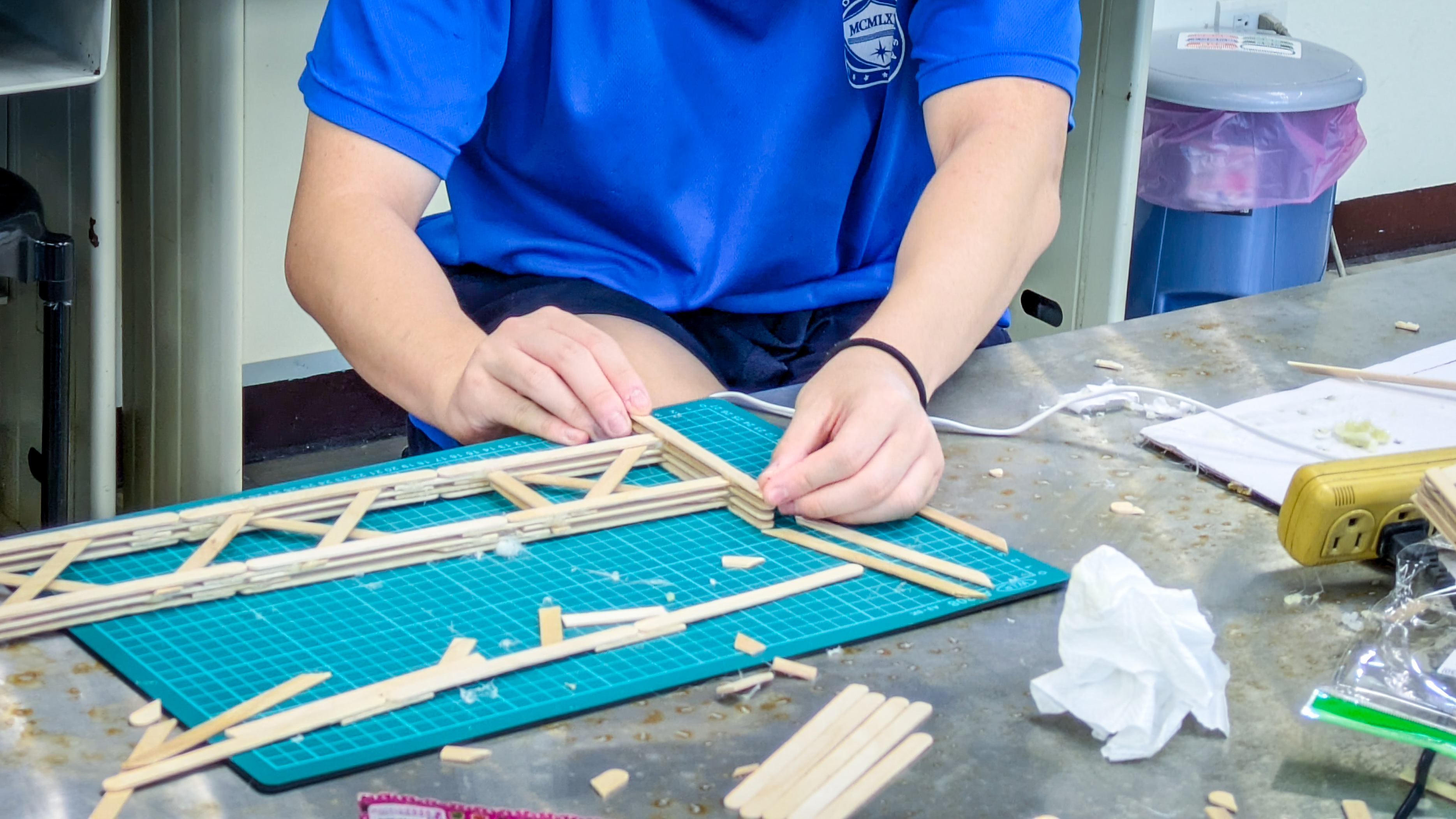
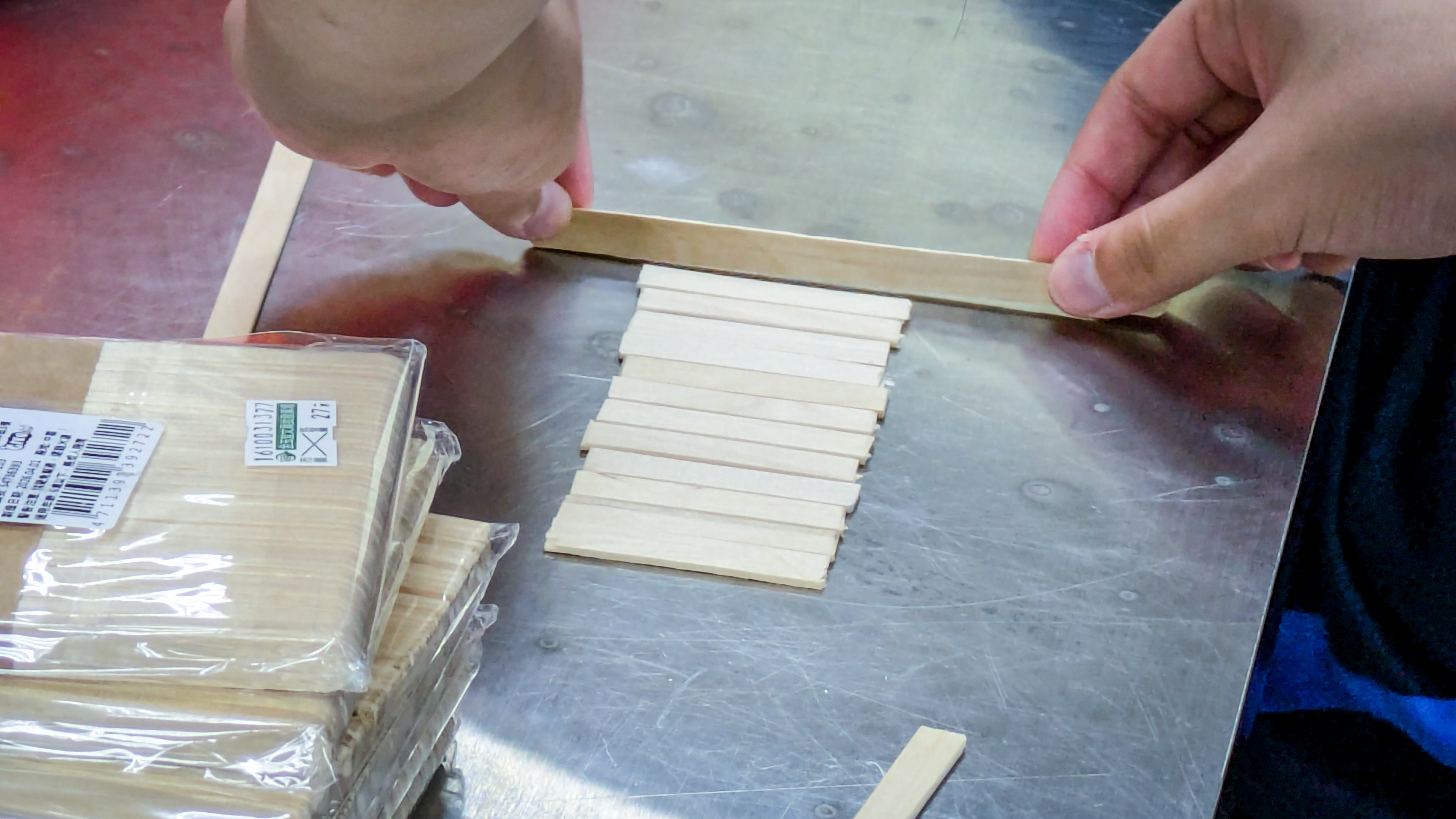
Over three weeks, the class made a clear decision: build one single bridge out of tongue depressors. What sounds simple on paper quickly turns into a real test of planning and patience. At UEIS, tables were covered with wooden strips and assembly materials as students divided up the work on their own. Some mapped out load paths and joint layouts, while others focused on clean assembly and practical buildability. Along the way, the process got draining. A joint might not hold as expected, or a design that looked good on paper proved too tricky to put together cleanly. Teacher Abu stayed close to observe and offer timely tips, guiding students to spot weak points without taking over the build. When the bridge finally stood solid, weeks of effort gave way to wide smiles across the room.
In STEM engineering, real problem-solving centers on trade-offs between structural strength and ease of construction. Pushing for maximum strength can make a build overly complex and slow, while chasing easy assembly can leave the structure too weak. Over three weeks, students had to weigh material behavior, joint design, and time constraints while dividing tasks so every team member had a clear role. Abu's steady observation and targeted hints helped them test ideas, adjust course, and make practical engineering choices together.
At UEIS, hands-on projects give students room to practice collaboration, accountability, and grit under real constraints. Committing to one shared bridge meant learning to communicate, compromise, and back one another up when progress slowed. Overcoming those tiring moments together builds confidence that lasts well beyond a single class project.
Visit UEIS to learn more about our project-based learning and STEM programs, and see how students grow through guided challenges and teamwork.