

SCHOOL LIFESCHOOL LIFE
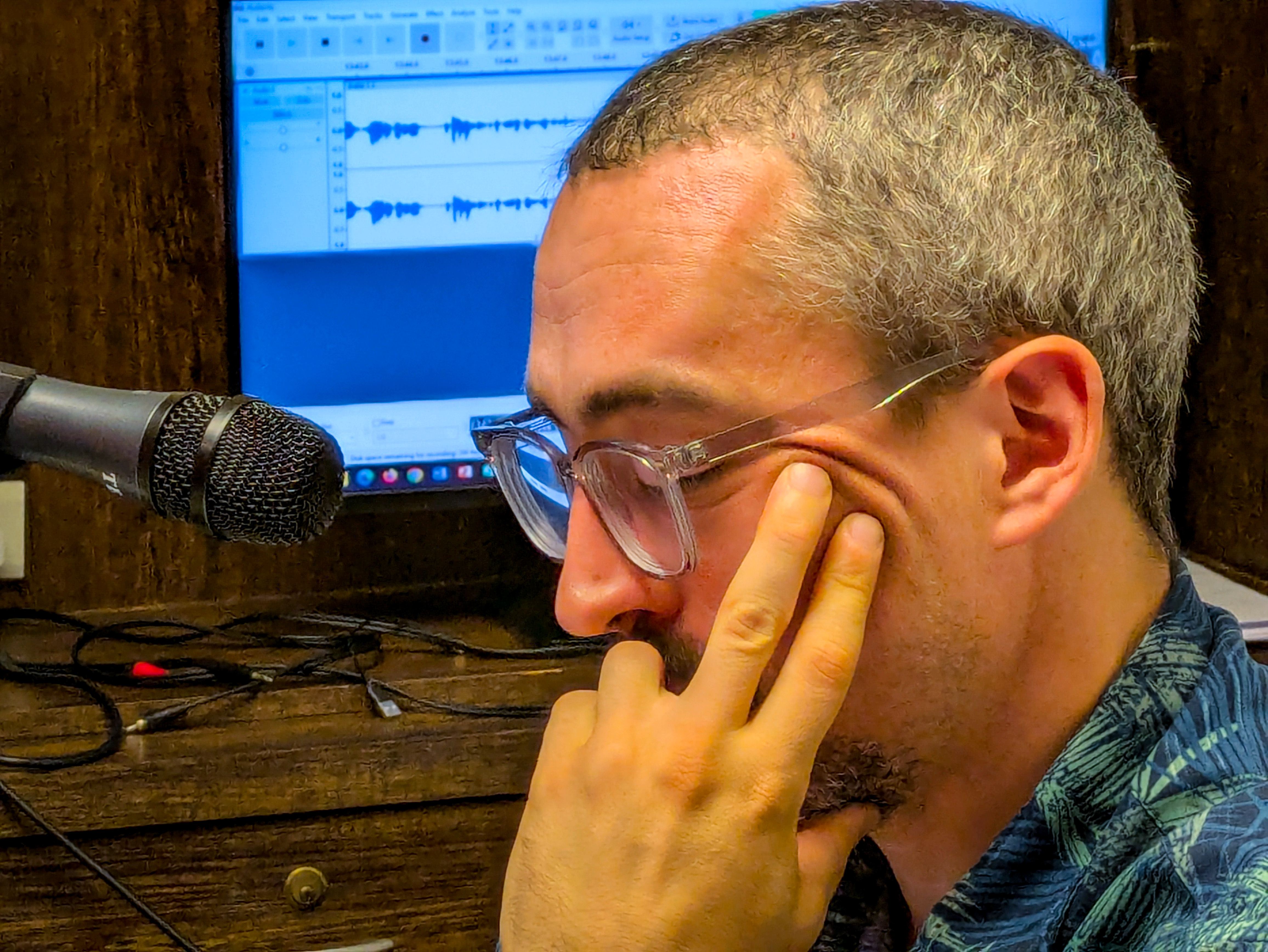
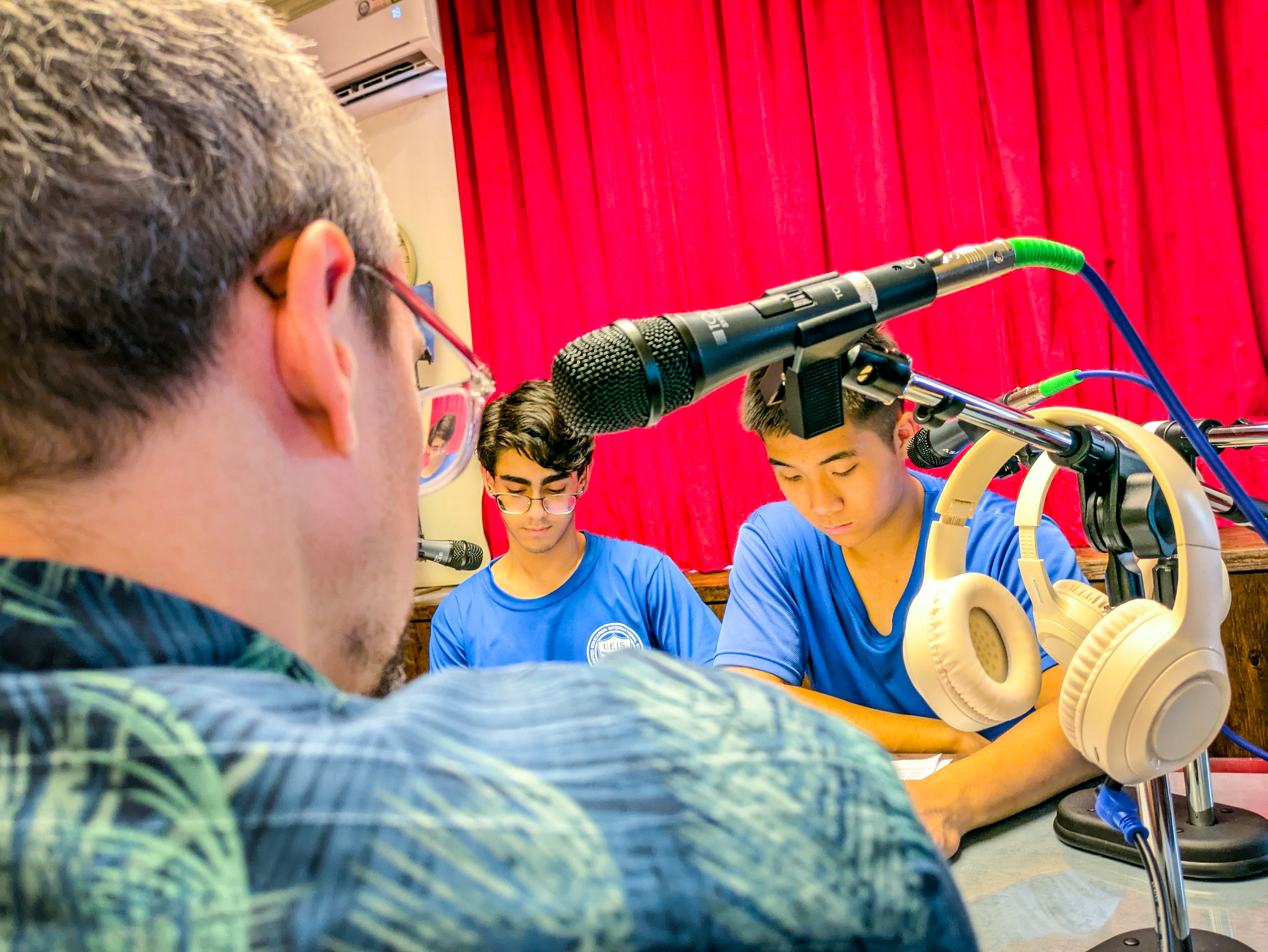
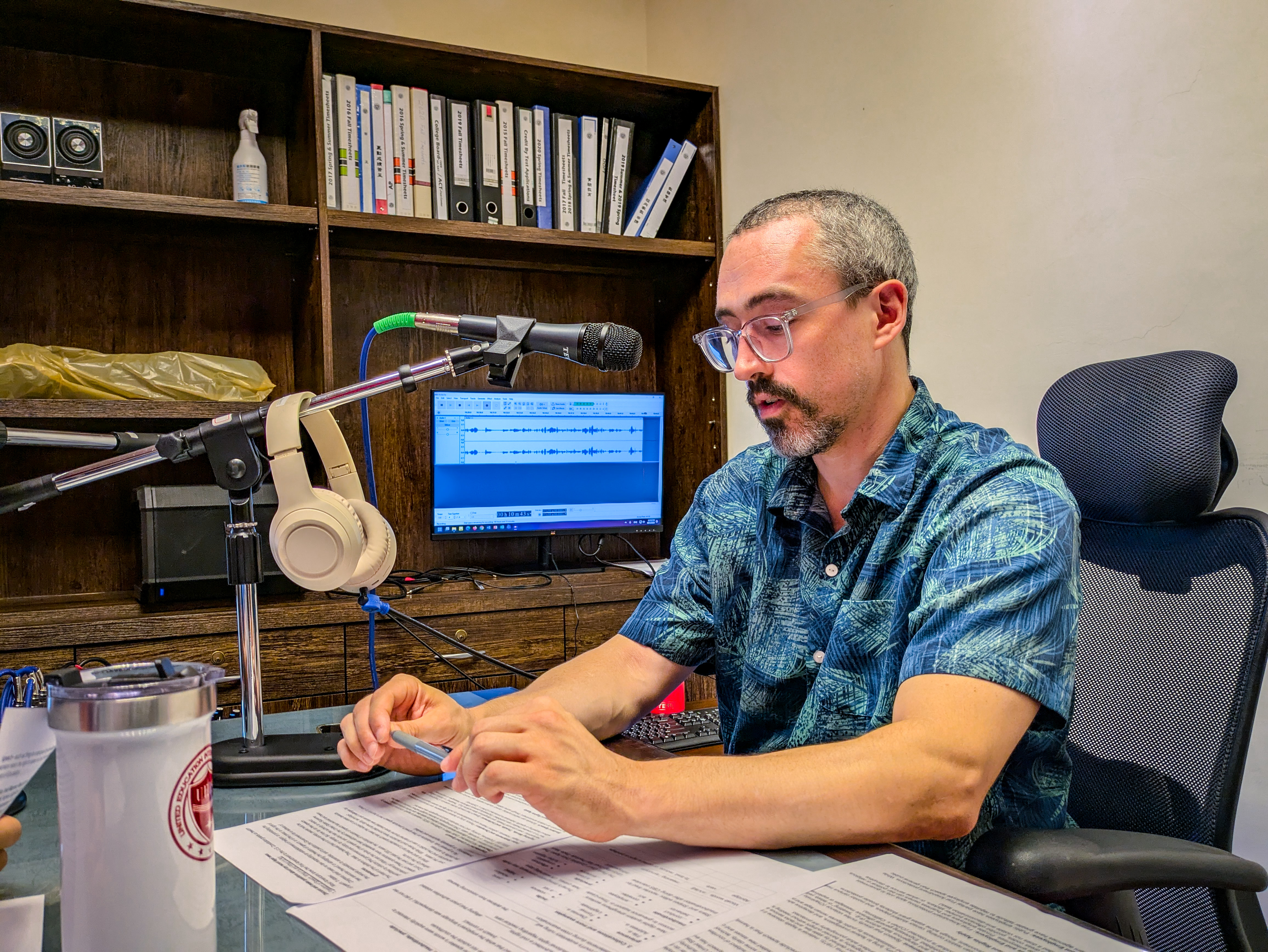
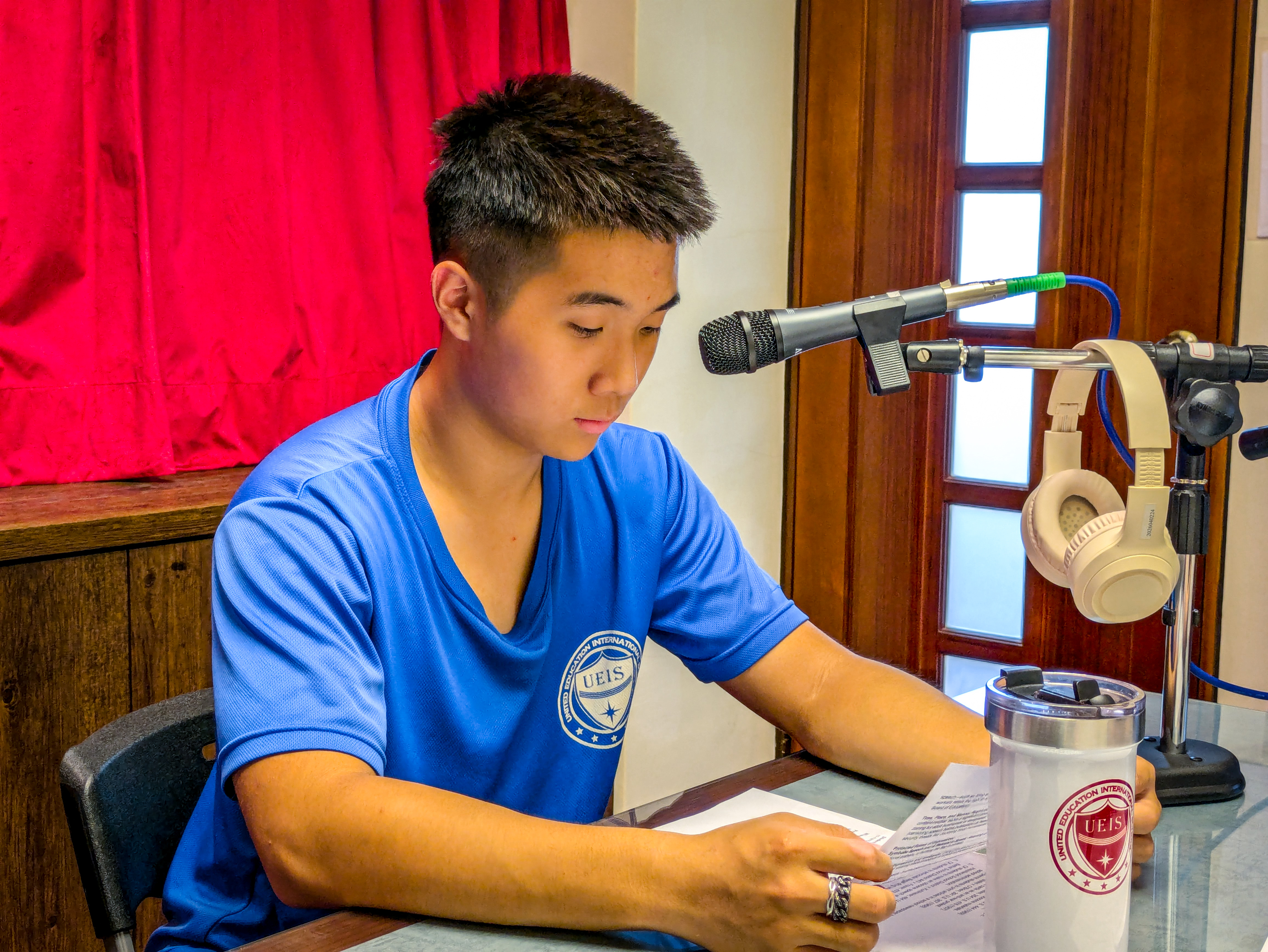
Turning off the studio microphones was only the first step. Rather than handing their raw audio tracks over to an instructor, Armin and Isaac pulled up their chairs in front of a workstation, launched their digital audio editing software, and took full ownership of the post-production process. At United Education International School (UEIS), this transition from recording to hands-on editing reflects the core of student-driven experiential learning. With over-ear headphones on, the two young creators spent the afternoon slicing out background rumble, balancing vocal gains, and refining transitions across three complex audio tracks until the episode stood as a polished, dynamic broadcast.
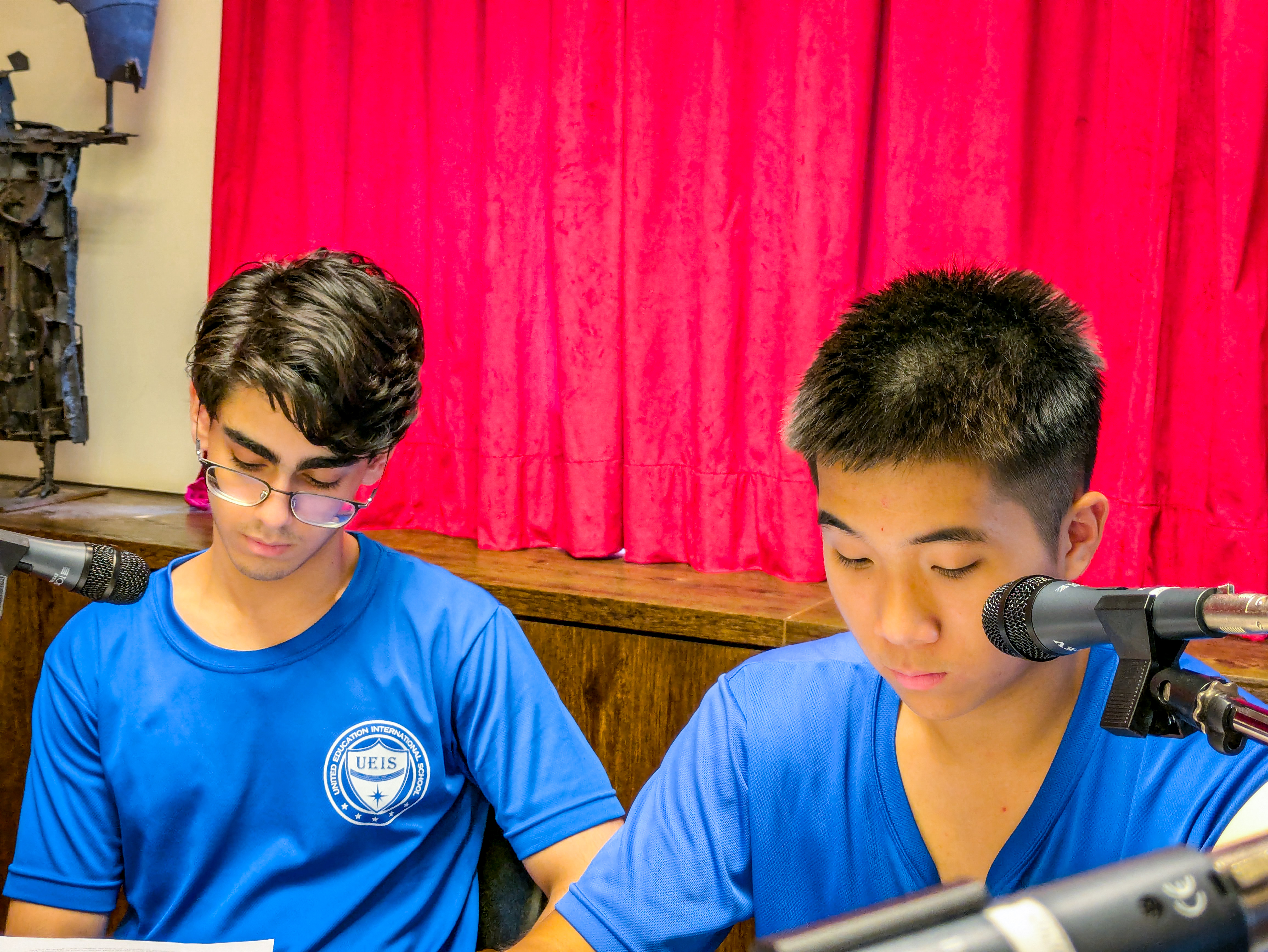
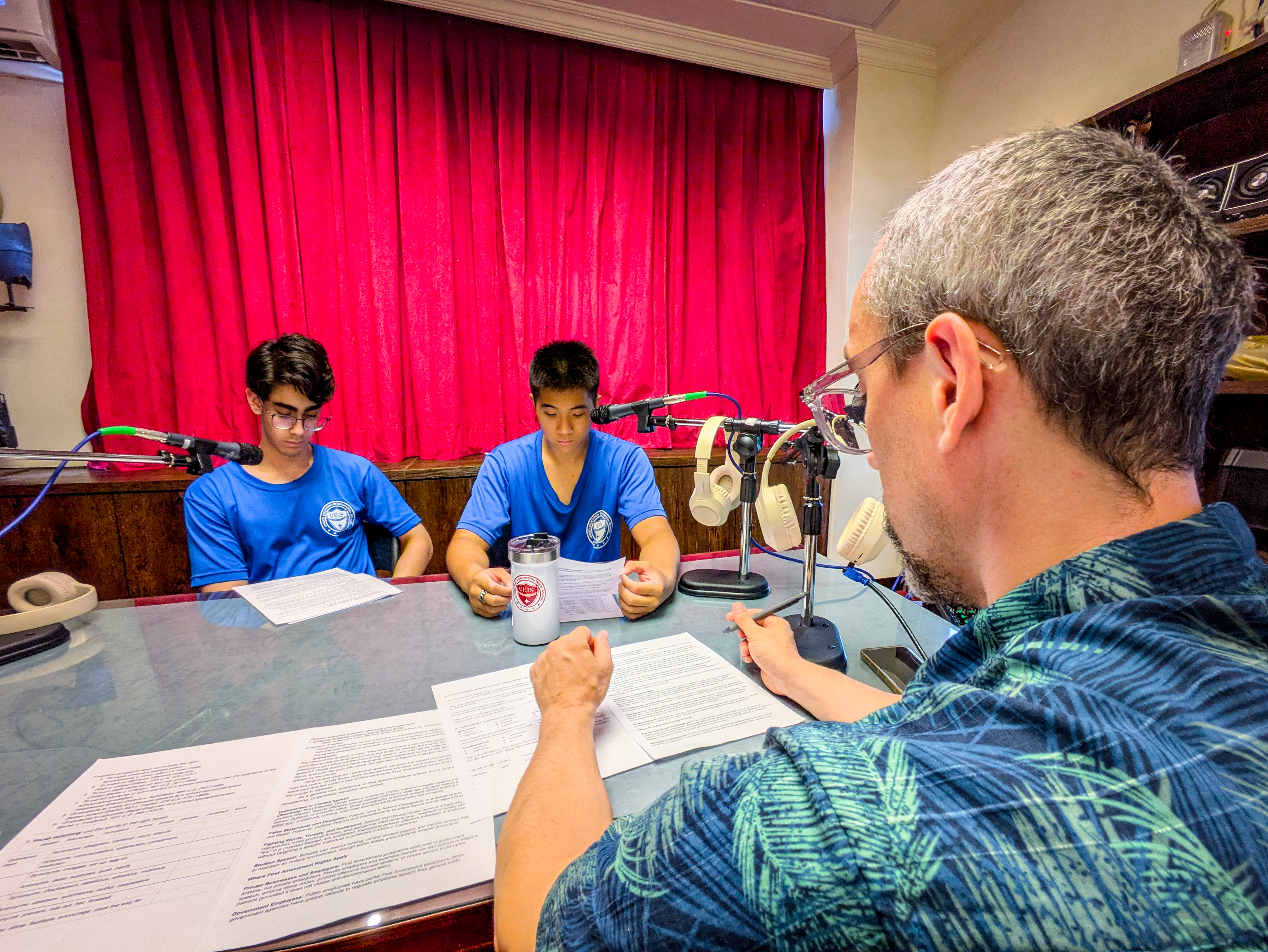
The discussion itself was built on substantive constitutional inquiry. Guided by Academic Dean Andrew, the dialogue challenged everyday assumptions about free speech, steering through landmark U.S. Supreme Court precedents. The students examined symbolic expression through the lens of Texas v. Johnson, debated student speech protections established in Tinker v. Des Moines, and identified the precise boundaries where incitement to violence and fraudulent claims lose constitutional protection. Assembling these dense legal arguments on the digital timeline required more than technical patience; it demanded that the students actively restructure their own logic to keep the narrative engaging for their listeners.
In an era saturated with automated shortcuts and instant answers, teenagers rarely get the chance to sit with creative friction and master complex electronic tools from the ground up. Digital devices are too often reduced to passive entertainment rather than utilized as instruments for genuine creation. At UEIS, education focuses on guiding students to embrace technology with purpose. Watching Armin and Isaac navigate the editing suite, solve acoustic challenges, and independently export their final master track revealed an invaluable form of learning: the quiet confidence that comes from building a project entirely with your own hands.
When young scholars step away from passive consumption to engineer their own digital workflows, they develop the agency, resilience, and creative discipline needed to thrive on the global stage.