

SCHOOL LIFESCHOOL LIFE
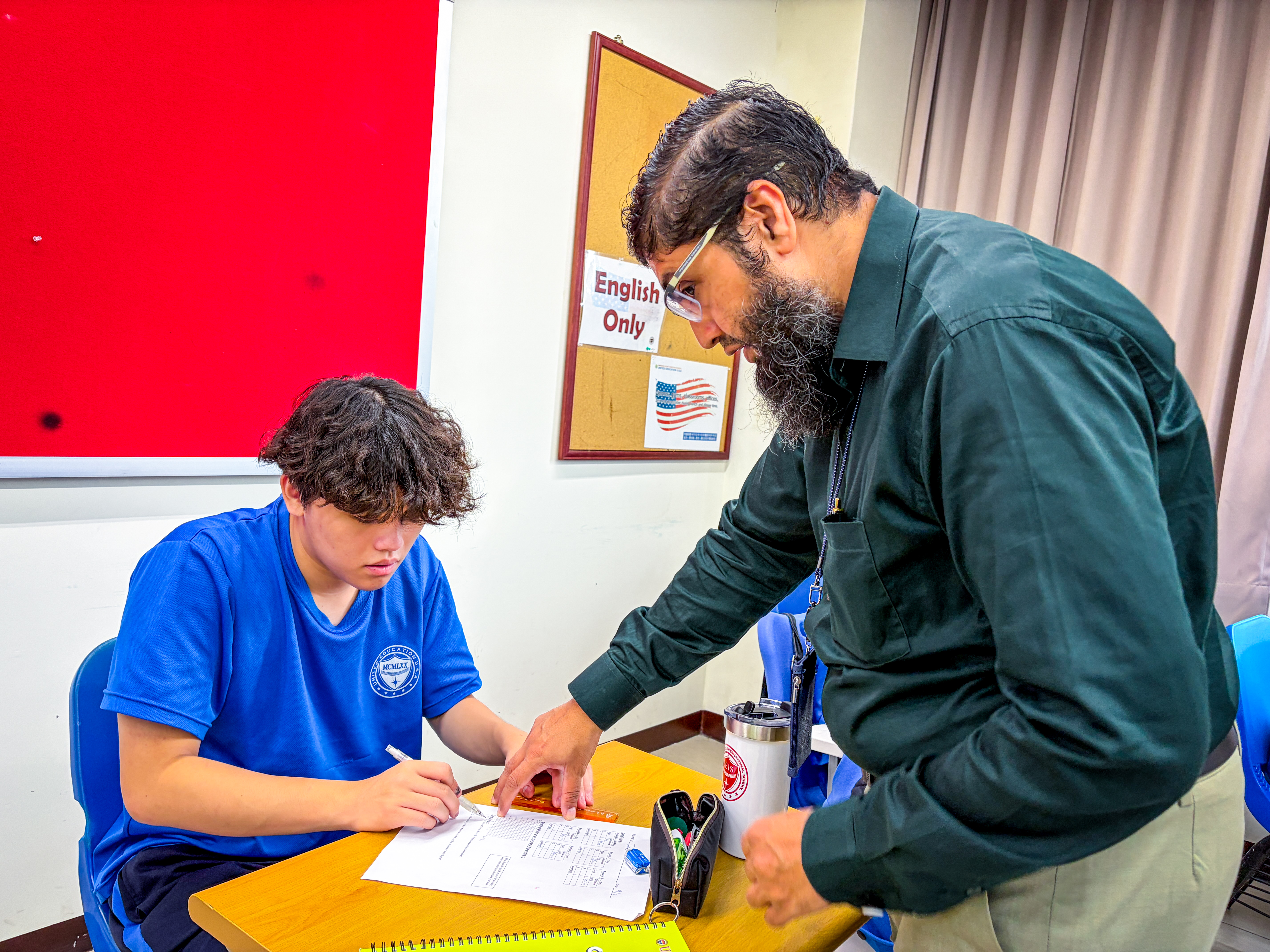
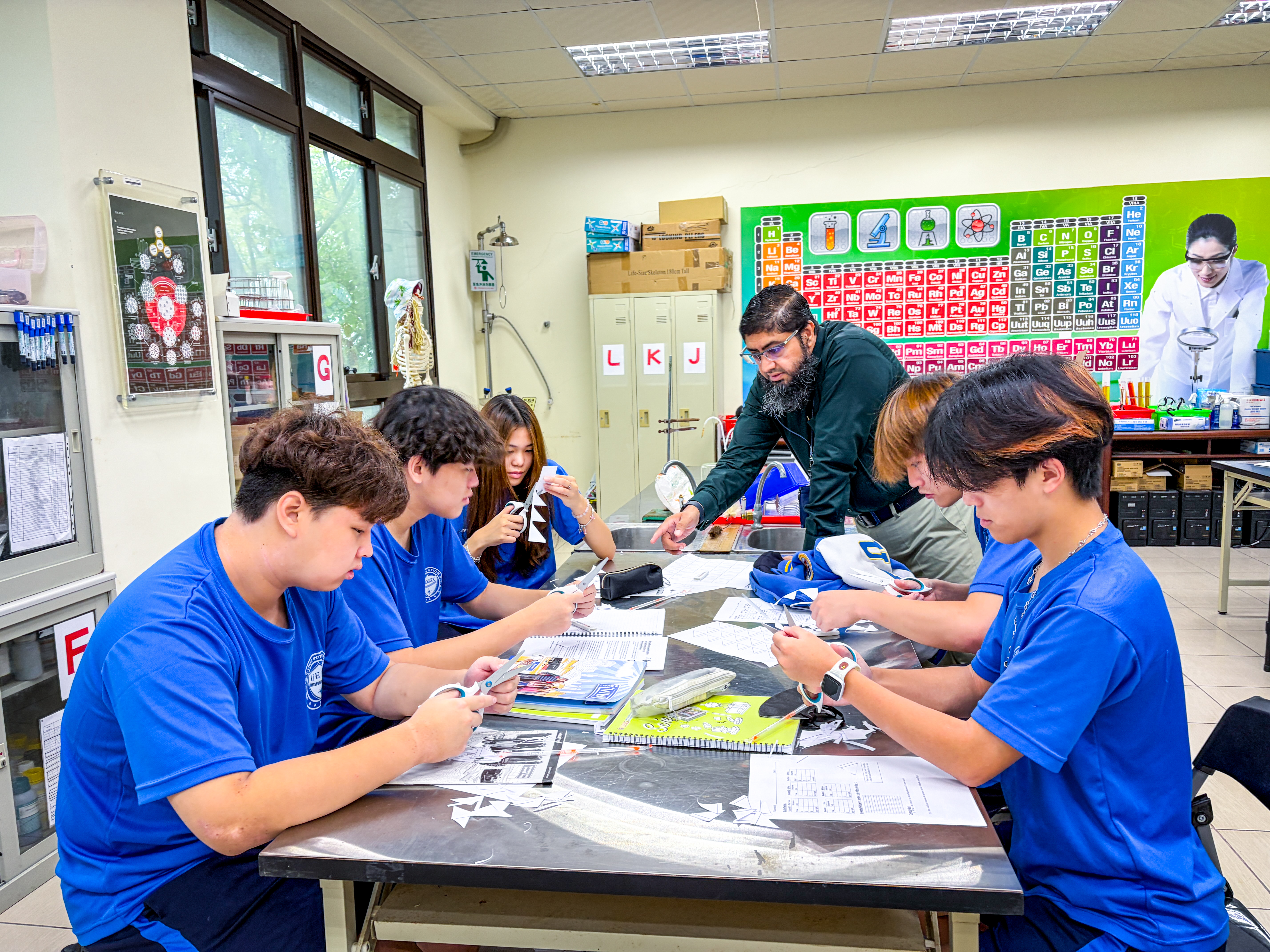
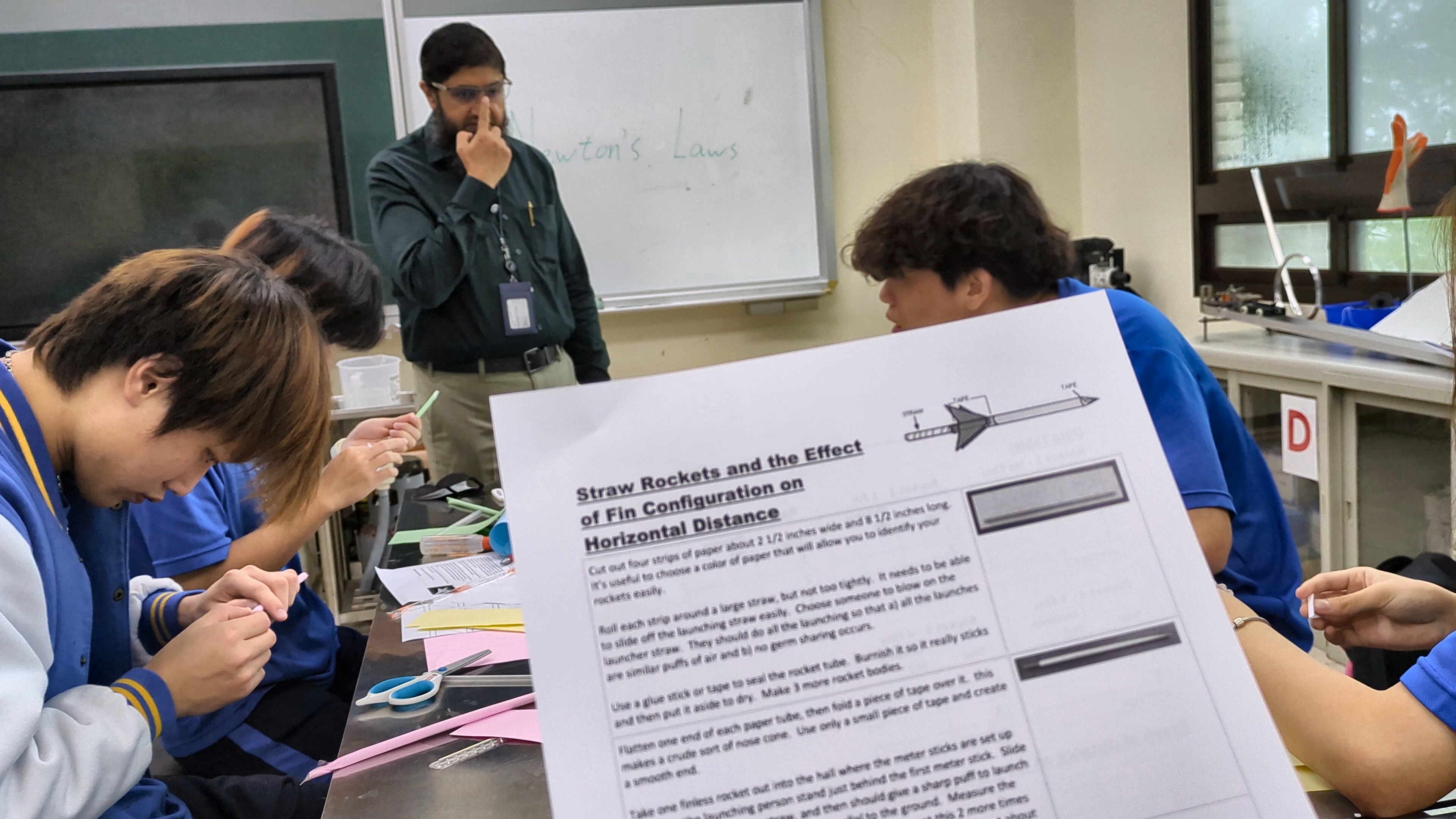
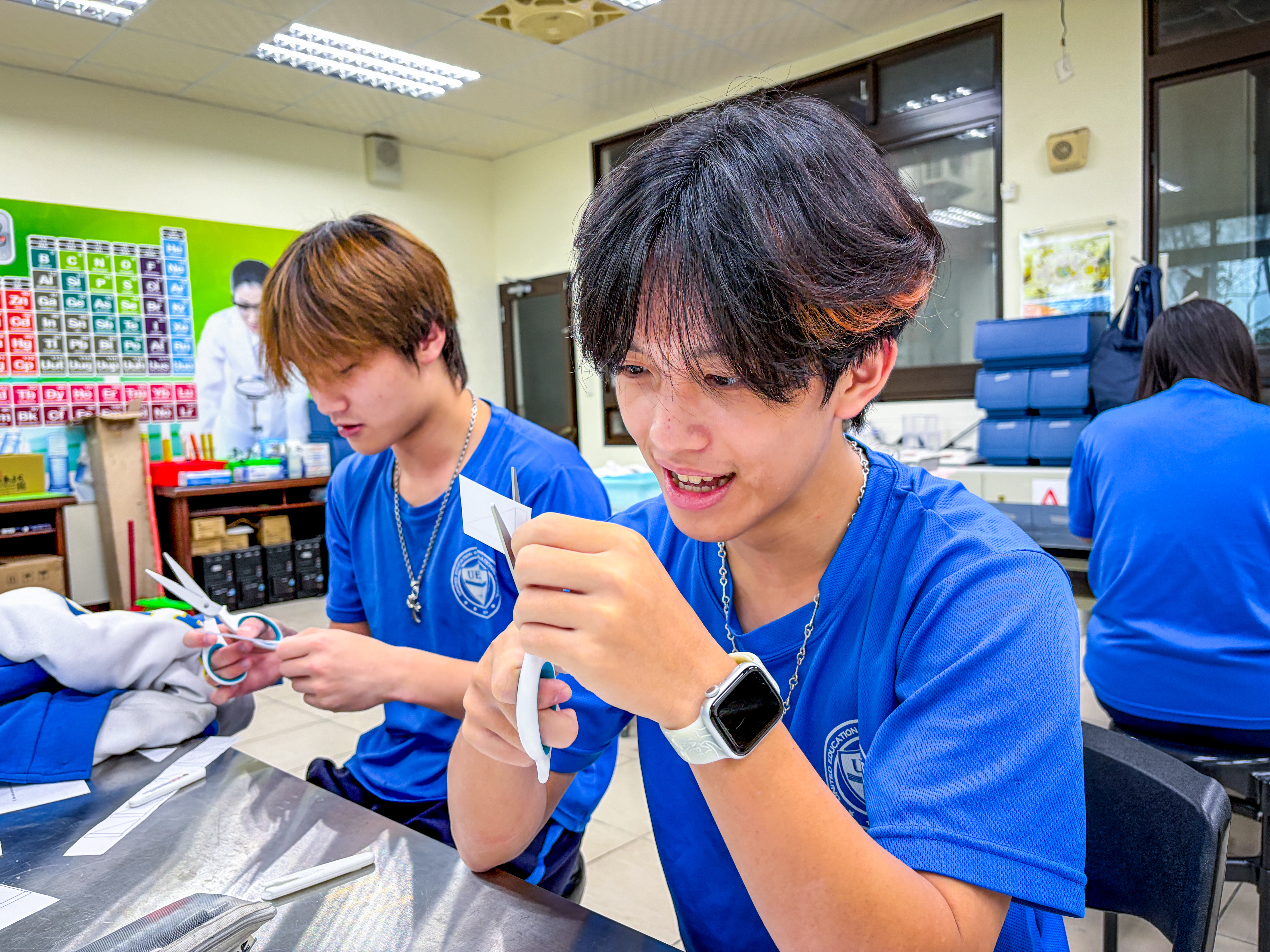
In a physics class at UEIS, students were given a challenge that seemed simple, but was not necessarily easy to accomplish on the first try: using paper and a straw to design their own paper straw rocket and see if they could actually make it fly.
“Just a word of caution, it might not work the first time.”
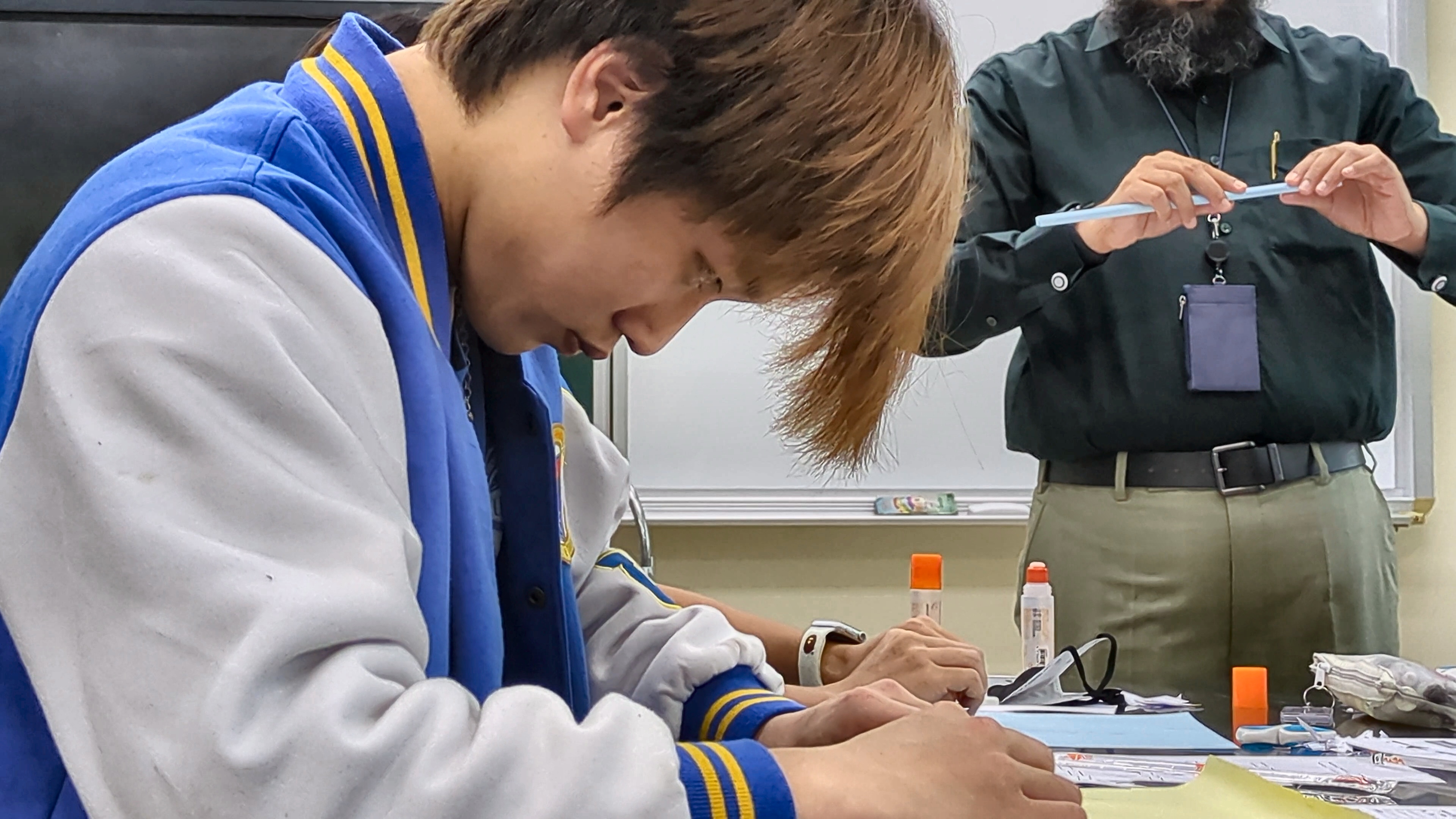
Before the experiment began, physics teacher Abu reminded the students that their first launch might not be successful. Instead of making them nervous or afraid, however, the warning seemed to make them even more eager to try. This time, they were not simply following a fixed set of steps to complete an experiment. They were designing and building their own paper straw rockets, then putting their ideas to the test to see if they could really take flight.
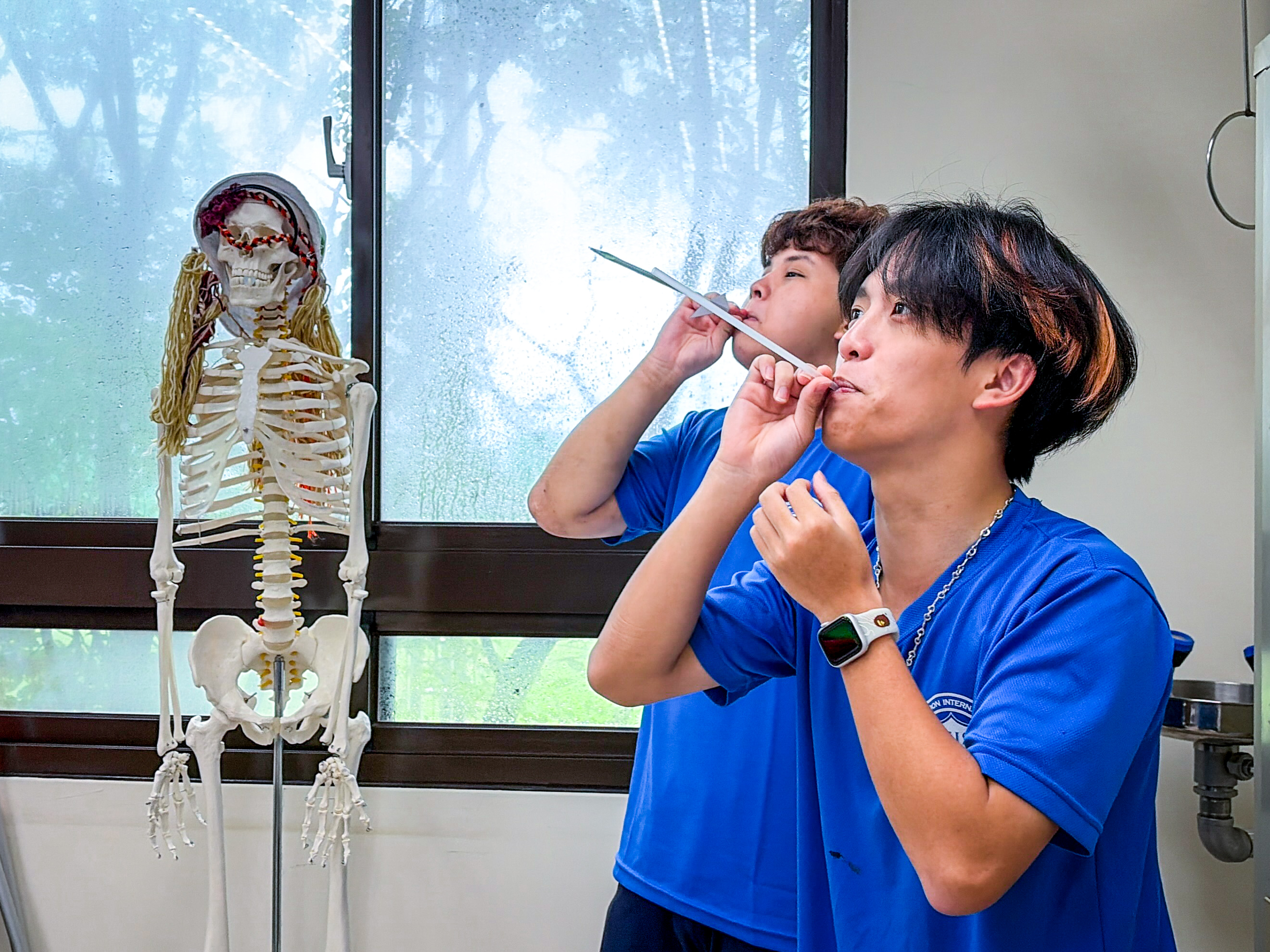
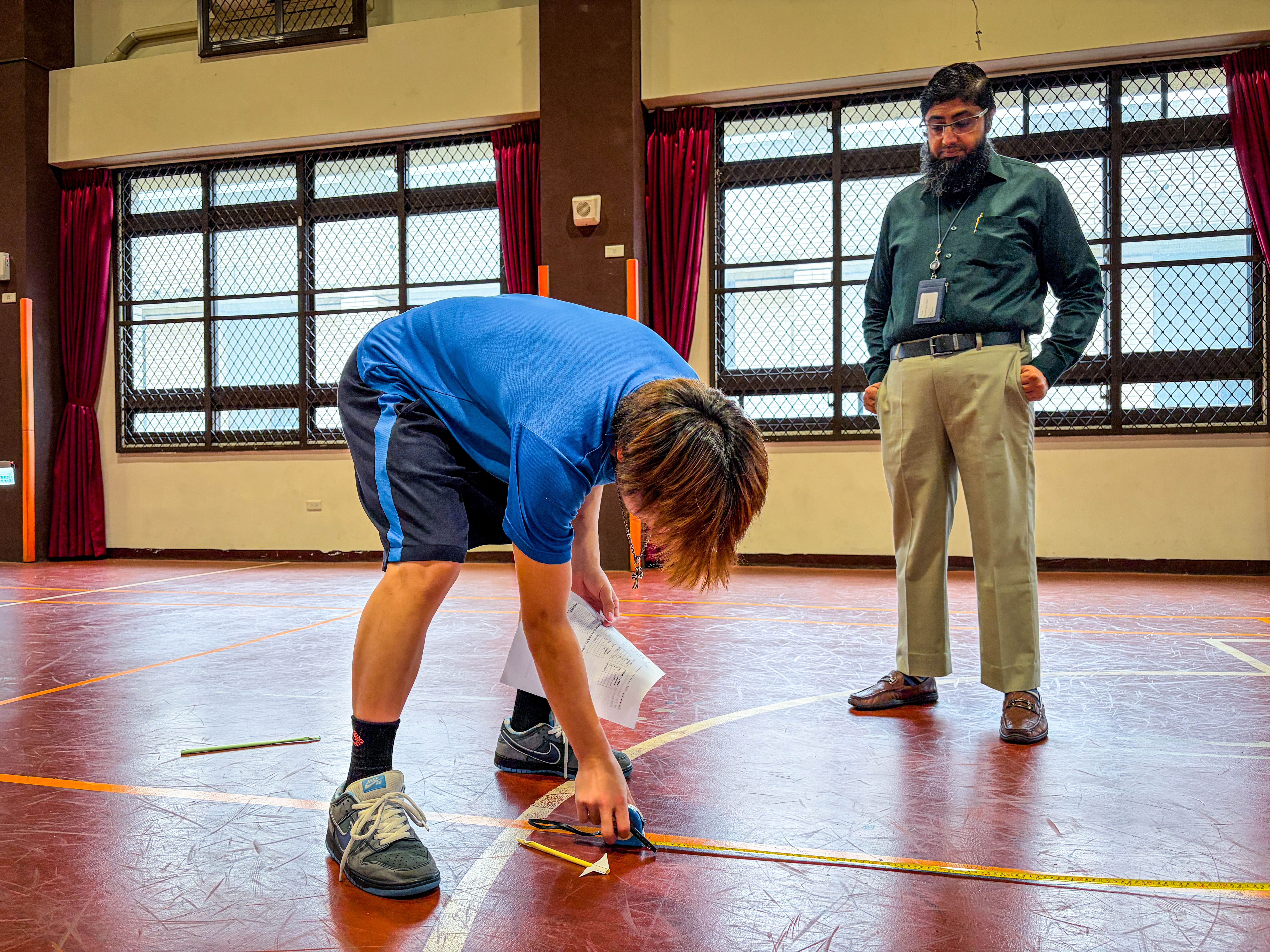
The first launch quickly made the challenge feel real. When the result did not turn out exactly as expected, the students had to go back and examine their designs. What factors might have affected the rocket’s flight? Did the angle of the fins need to be adjusted? Would the amount of force used to blow the rocket make a difference? How might the rocket’s weight and balance affect its stability in flight?
What had started as a small rocket made from nothing more than paper and a straw had become a physics problem that required the students to experiment in order to find their own answers.
The students adjusted their designs and launched their rockets again. Each attempt provided new information and gave them another opportunity to reconsider their original ideas. When a change improved the rocket’s performance, they had to think about why. When the result was still not what they expected, they had to keep looking for the factors that might have influenced it.
Through this process, physics was no longer limited to formulas and laws in a textbook. Concepts such as action and reaction, air resistance, weight distribution, and flight stability became tangible through repeated launches. Students could observe changes in their own designs and the resulting flight, consider how different conditions might affect the outcome, and then modify and retest their ideas.
That is what makes an experiment truly meaningful: the result does not always have to match expectations. Sometimes, an unexpected result is simply the beginning of the next question.
When the first attempt did not succeed, students did not simply return to a “correct answer” to find out what went wrong. Instead, they had to start with what they had observed and ask themselves what they still did not know. What needed to change? Which factor might have caused the difference? What would happen if they tried another approach?
From identifying problems and proposing ideas to modifying designs and testing them again, students gradually developed their own understanding through repeated trial and error. This process reflects the kind of learning experience emphasized in scientific inquiry and project-based learning (PBL): knowledge does not remain confined to the textbook. It becomes something students use to think, test, and apply when facing real problems.
Therefore, being willing to try does not simply mean having the courage to take action. More importantly, when the first attempt does not work, are students willing to continue facing the problem rather than stopping because they are afraid of making mistakes?
For UEIS, giving students the opportunity to experience this process is part of helping them understand that learning is not always about finding one single correct answer. Some problems require multiple attempts before a better solution can be found. Some answers only begin to make sense after students have actually tried something themselves and seen the results.
And this paper straw rocket is only the first step in their scientific exploration.
Next, the students will take on a greater challenge: using the chemical reaction between baking soda and vinegar to build a larger rocket with greater thrust. Starting with the paper straw rocket, they will carry their experiences with design, testing, and revision into a new and more challenging project. As the conditions change, they will have the opportunity to ask: Will the methods that worked before still work? If not, how can they redesign their approach?
A paper rocket may be small, but the questions it raises can be much bigger.
When the first attempt does not work, are you willing to try again? When the result is different from what you expected, can you stop and look for the reason? And when your original approach is not good enough, are you willing to recognize that it needs to be changed—and start again?
At UEIS, we bring education back to the exploration of the real world, giving students opportunities to learn through practice and through mistakes. Because rather than being afraid of making mistakes and focusing only on finding one standard answer, students need the ability to face challenges, revise their approaches, keep trying, and ultimately find answers of their own.