

SCHOOL LIFESCHOOL LIFE
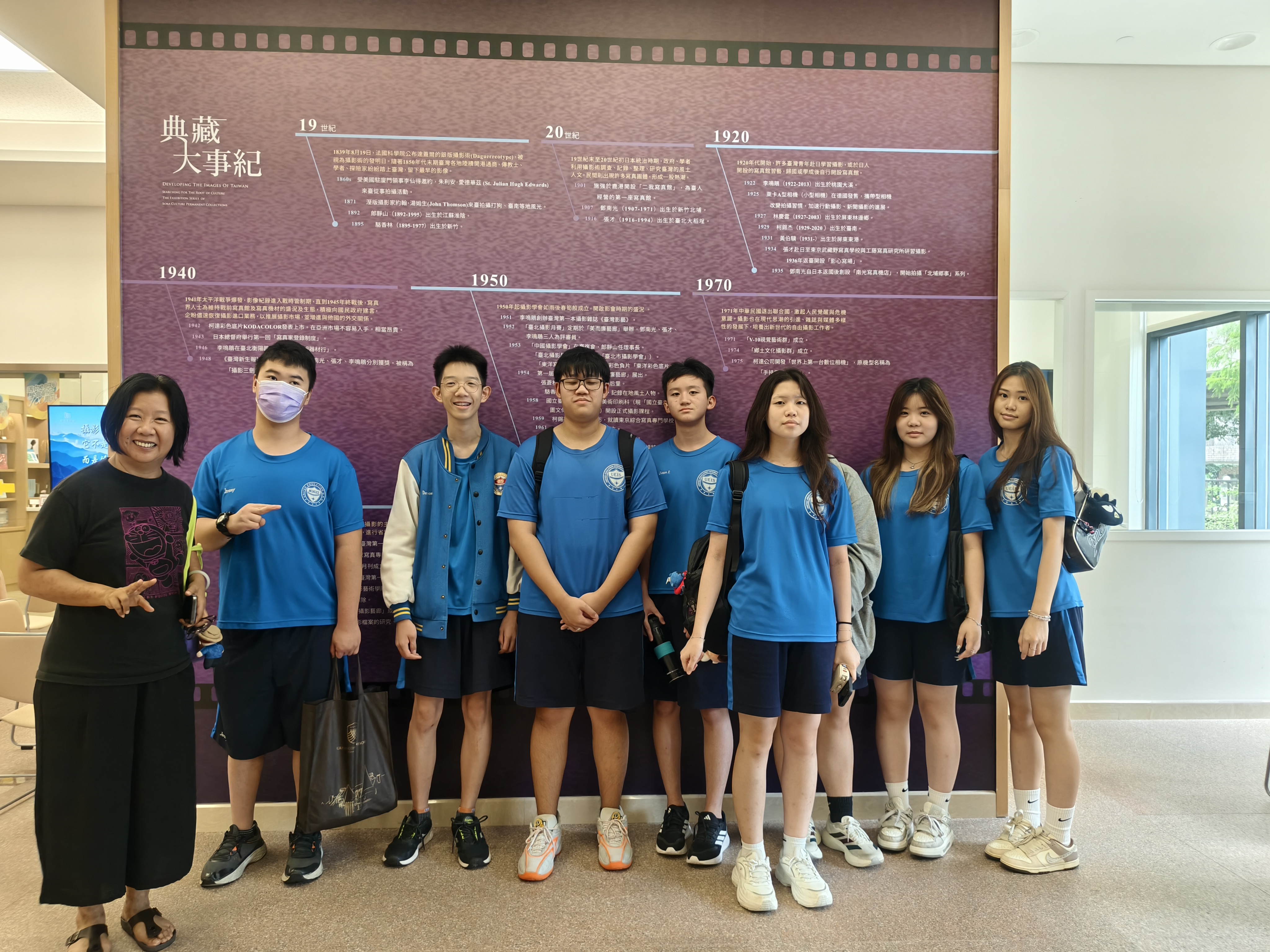
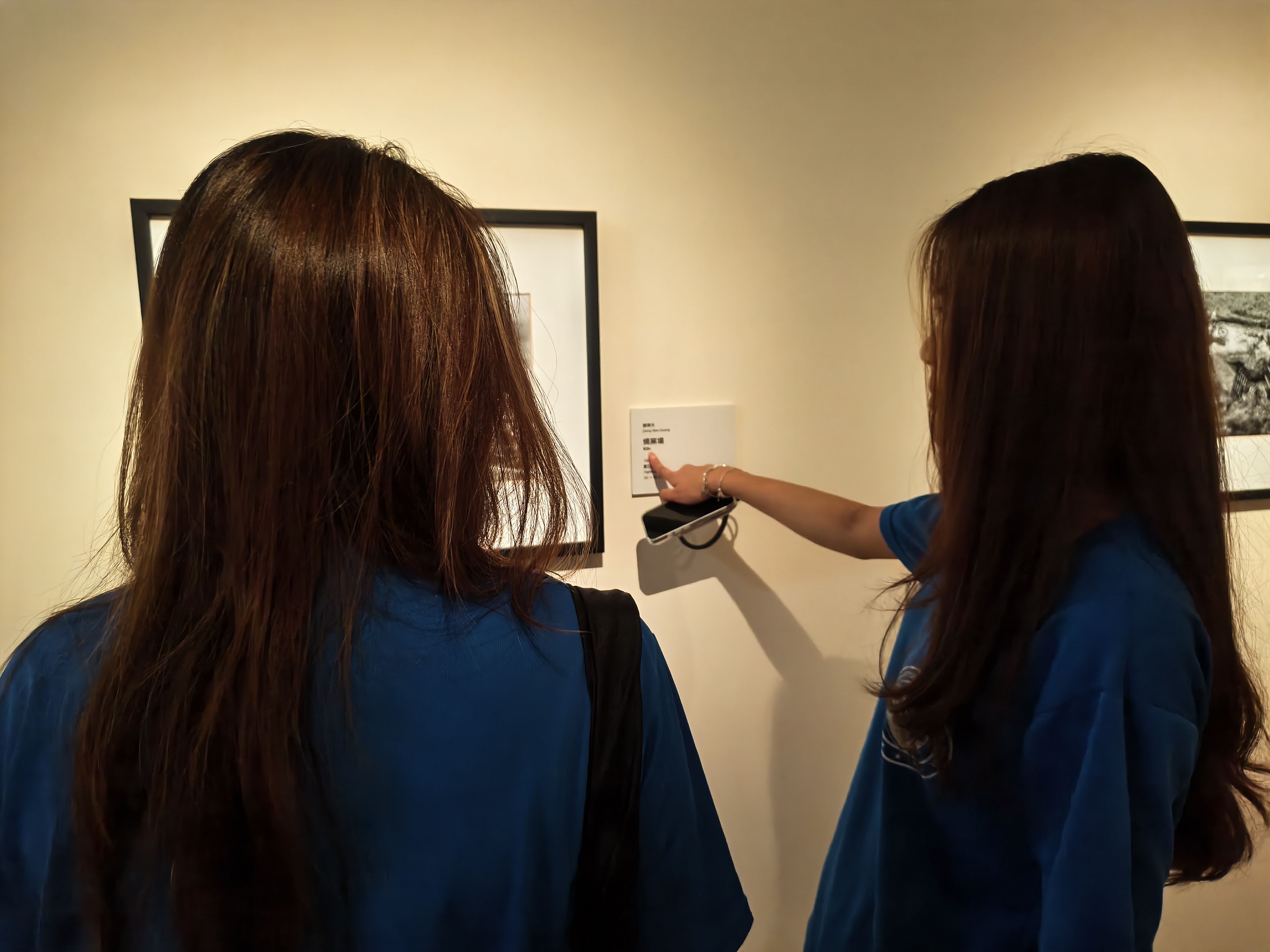
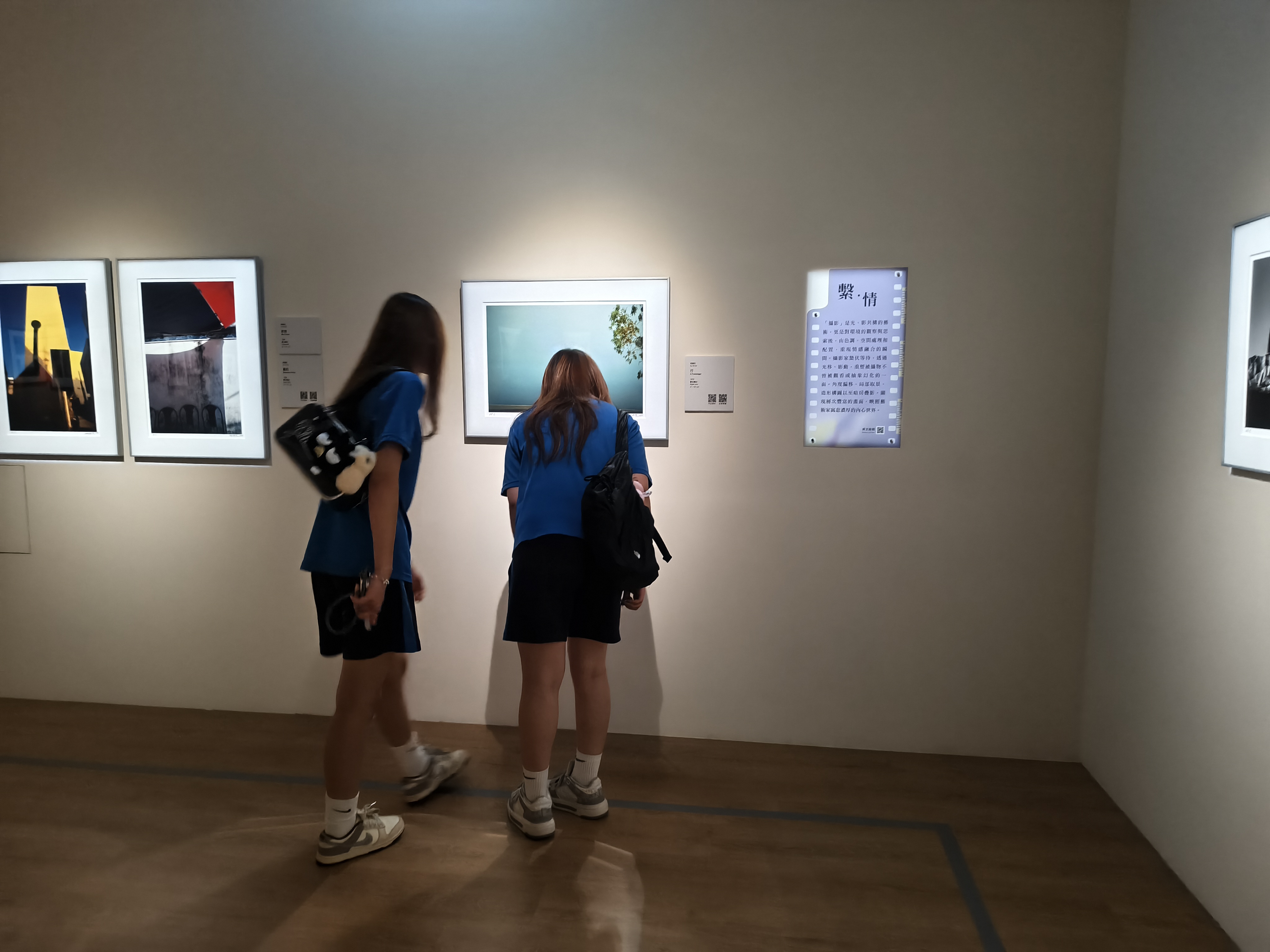
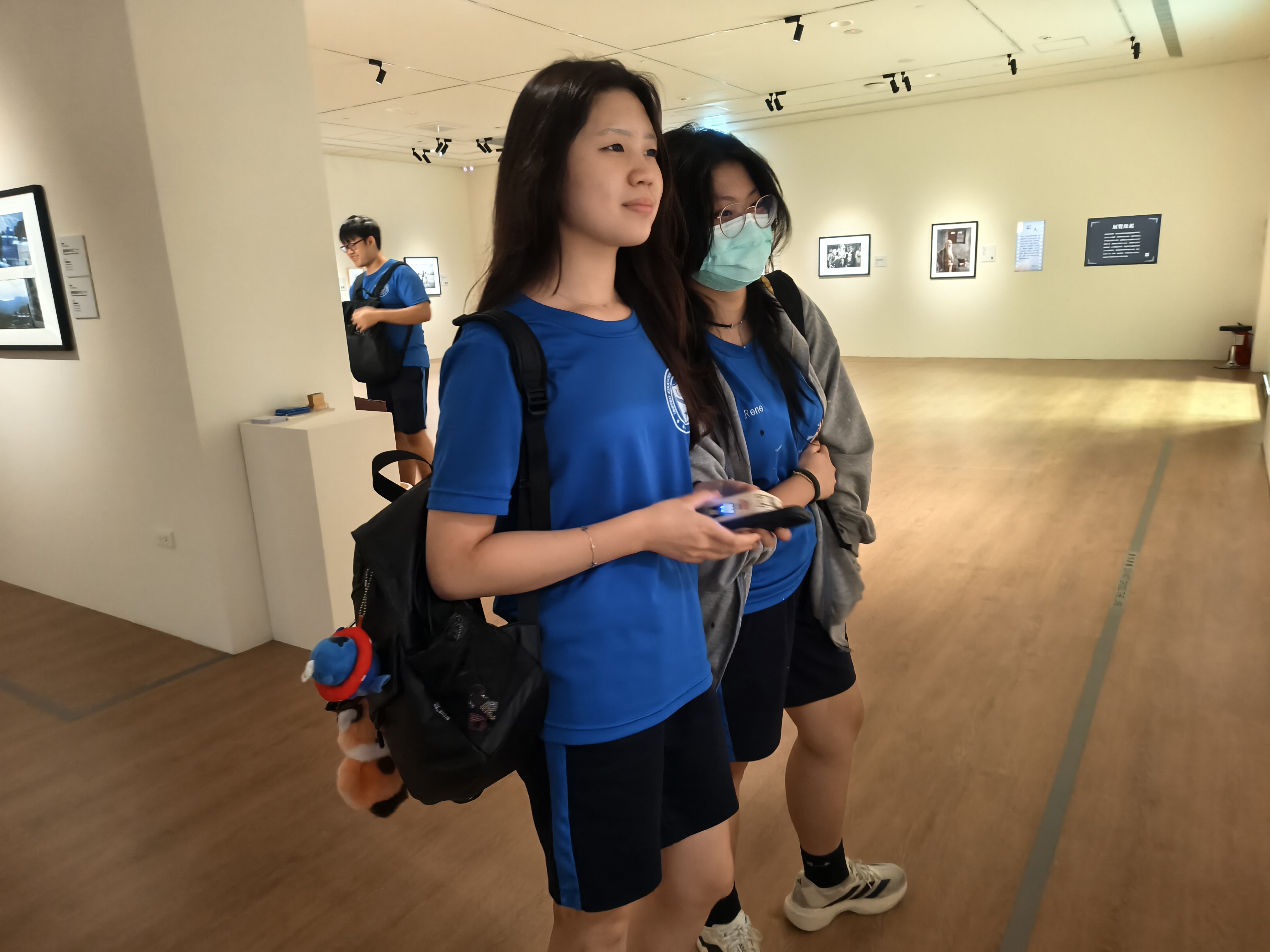
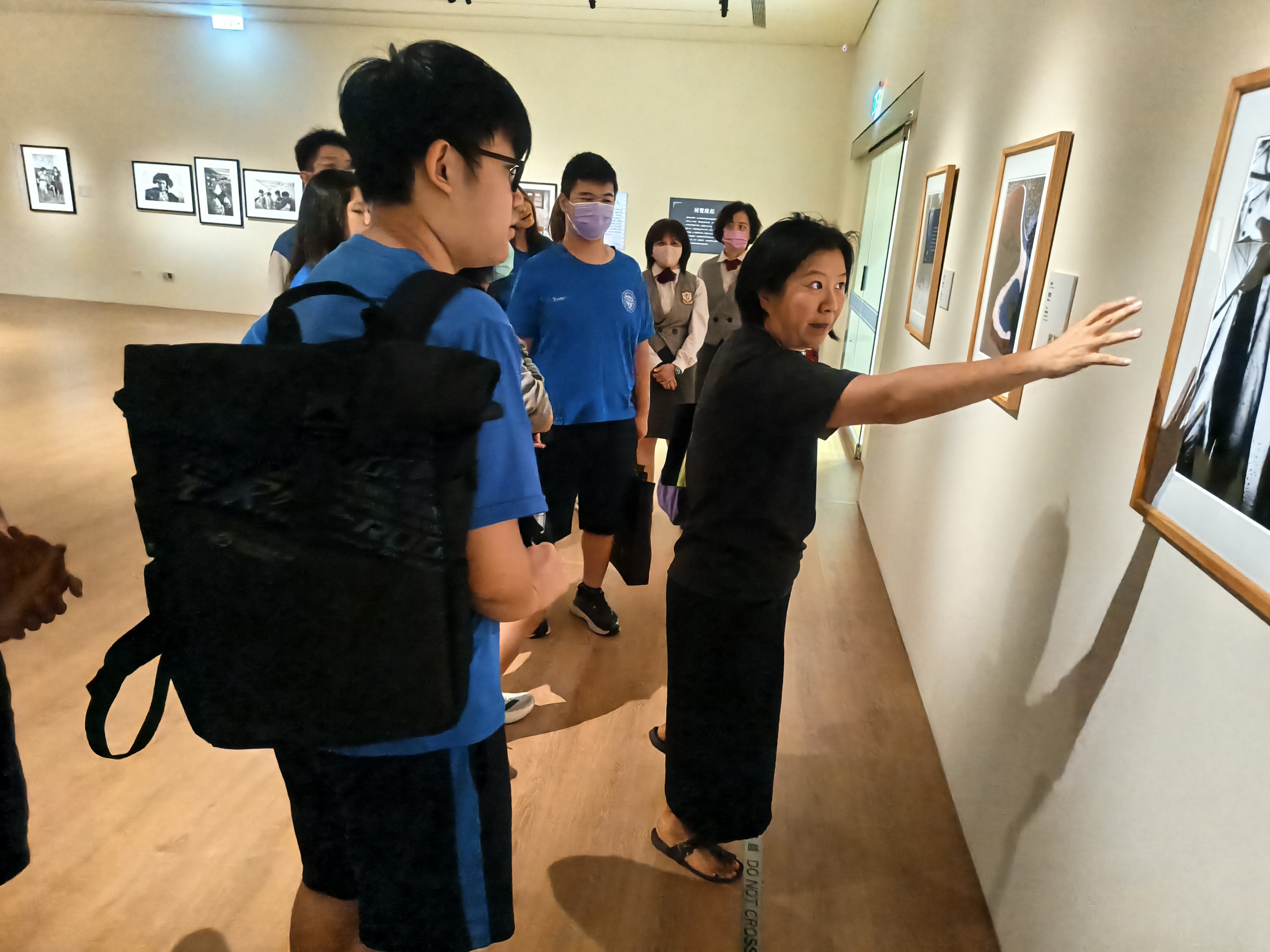
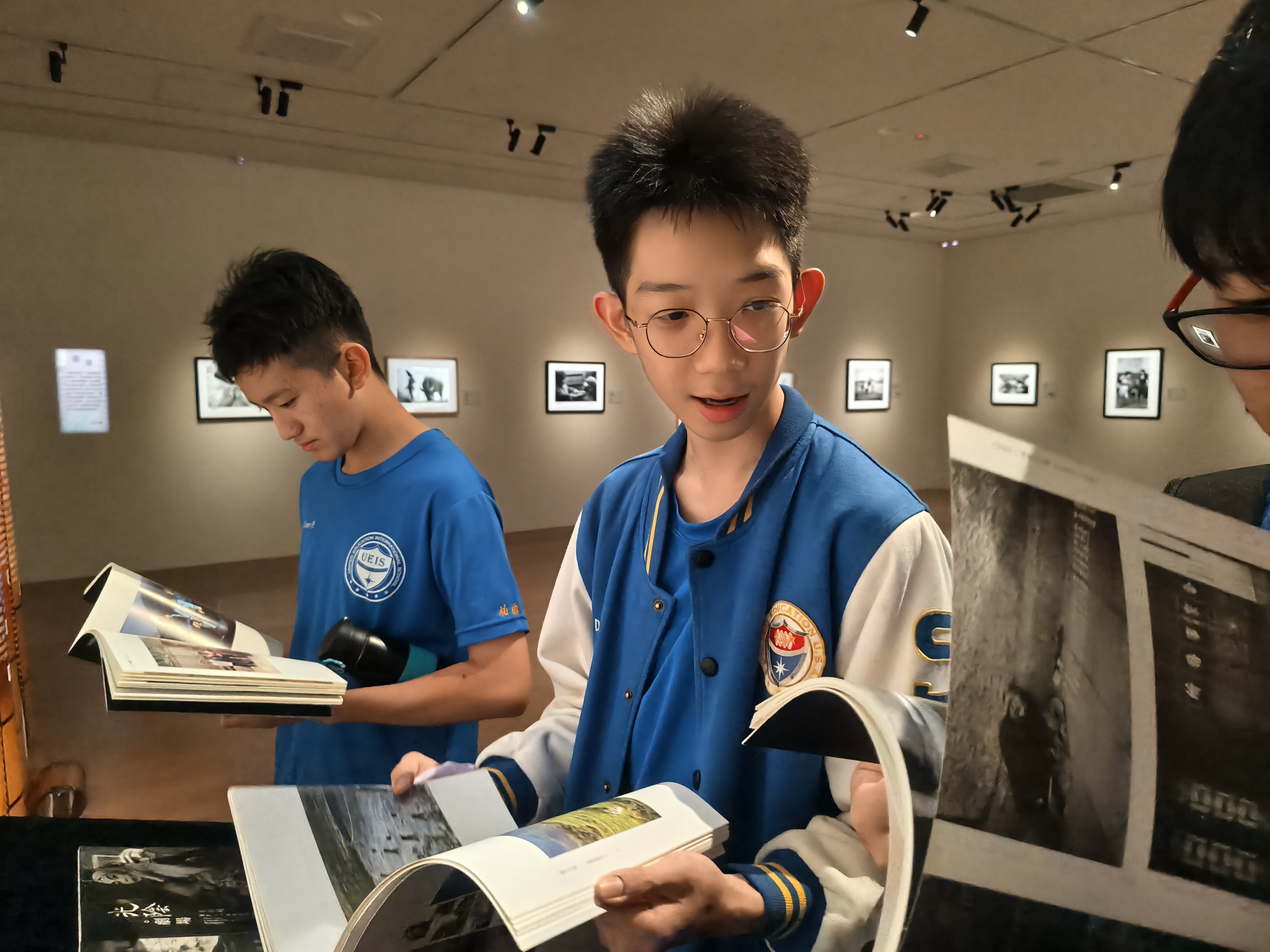
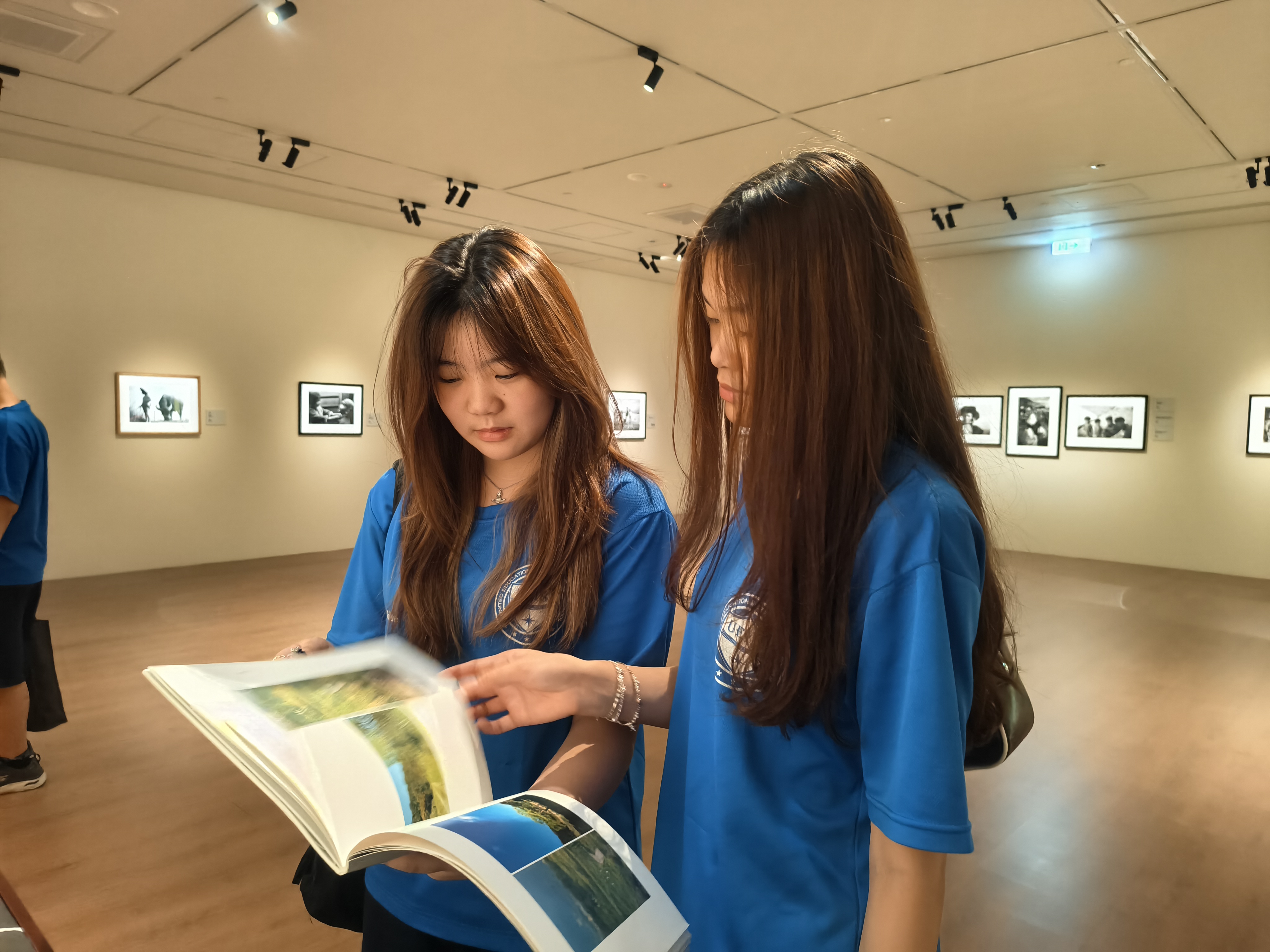
Afternoon sunlight streamed through the floor-to-ceiling windows of a local art museum in Yilan. Under the gallery lights, students from United Education International School (UEIS) held their phones and focused intently on the artworks in front of them. Some leaned closer to examine the photographs by the master artists, while others discussed the interplay of light, shadow, perspective, and visual depth with their classmates.
Artworks that once existed only in textbooks and images had now become a real learning experience—something students could observe with their own eyes, experience in person, and discuss with their peers.
This was more than a simple museum visit. It was an extension of the regular art curriculum into a real-world learning environment, led by Cathy, a professional international teacher at UEIS. Once students stepped outside their familiar classroom and encountered authentic works of art, they were practicing more than simply “looking at pictures.” They began with observation and moved toward understanding the colors, composition, spatial elements, and emotional expression behind each work.
In the American approach to art education, developing genuine aesthetic awareness and creative ability is not simply about memorizing the names of artists or art movements. It also comes from gradually developing visual literacy and critical thinking in art.
Standing in front of the artworks, Cathy guided students to examine the layers of color, spatial composition, and emotional expression found in the works of local artists. Through this process, students gradually moved from simply being people who “look at photographs” to becoming learners who could make observations, develop their own perspectives, and engage in meaningful discussions.
This process also provides an important opportunity to develop critical thinking. As students begin asking questions such as, “Why did the artist arrange it this way?” “What kind of feeling do these colors create?” or “Would the artwork have a different meaning if we looked at it from another perspective?”, the artwork becomes more than something to admire. It becomes a medium through which students can think, question, and express their ideas.
The observations and inspiration students gain from experiencing art in person can also become valuable resources for their future artistic development, creative projects, and personal portfolios.
For UEIS, bringing learning into authentic environments is an important part of putting experimental education and project-based learning (PBL) into practice. When an art class moves from the classroom into a museum, students encounter more than the artworks themselves. They are also given the opportunity to observe, discuss, and explore within a real-world setting.
Through these experiences, knowledge learned in the classroom can connect with the real world, while students have more opportunities to gradually integrate different subjects, interests, and areas of learning.
Within a small-class learning environment, teachers can stay closely connected to each student's learning process. At the same time, diverse elective courses and individualized learning arrangements allow students to begin with their own interests and build learning experiences across different fields.
Over time, these experiences inside and outside the classroom can develop into personal projects and creative works that reflect each student's individual strengths and interests. They can also become an important part of a student's learning journey when presenting their experiences and achievements in future applications to universities overseas.
Through American-style education, PBL, diverse electives, and a small-class learning environment, UEIS encourages students to begin with real-world experiences and gradually build learning outcomes that are uniquely their own.
Every opportunity to step outside the classroom can become part of a student's journey toward greater confidence, the development of individual strengths, and eventually, the international stage.
This time, it was an art class entering a museum.
But for these students, it may also have been the beginning of something more: learning to observe the world through their own eyes, form their own perspectives, and gradually discover the direction they may want to take in the future.