

SCHOOL LIFESCHOOL LIFE
We often describe emotions as happiness, sadness, anger, or anxiety, as if they were simply feelings that occasionally appear in our daily lives. But for children who are growing and changing, emotions may be more important than we realize. A memorable experience, the frustration that follows a failure, the disappointment that comes from a relationship, or even something that suddenly sparks their interest can all leave a lasting impression as they grow. These experiences are not simply things that happened in the past. Over time, they can influence how children see themselves, understand others, and make their next choices.
For today's teenagers, getting to know themselves can be even more challenging. Technology is rapidly changing the way we live, while social media has created new ways for people to interact and has exposed young people to more information, choices, and glimpses into other people's lives than ever before. From academic life and relationships to questions about who they want to become in the future, many of these questions do not have a single fixed answer. As the world around them continues to present new possibilities and constantly tell them what they could become, young people also need to gradually learn to ask themselves: “What do I really want? What truly matters to me?”
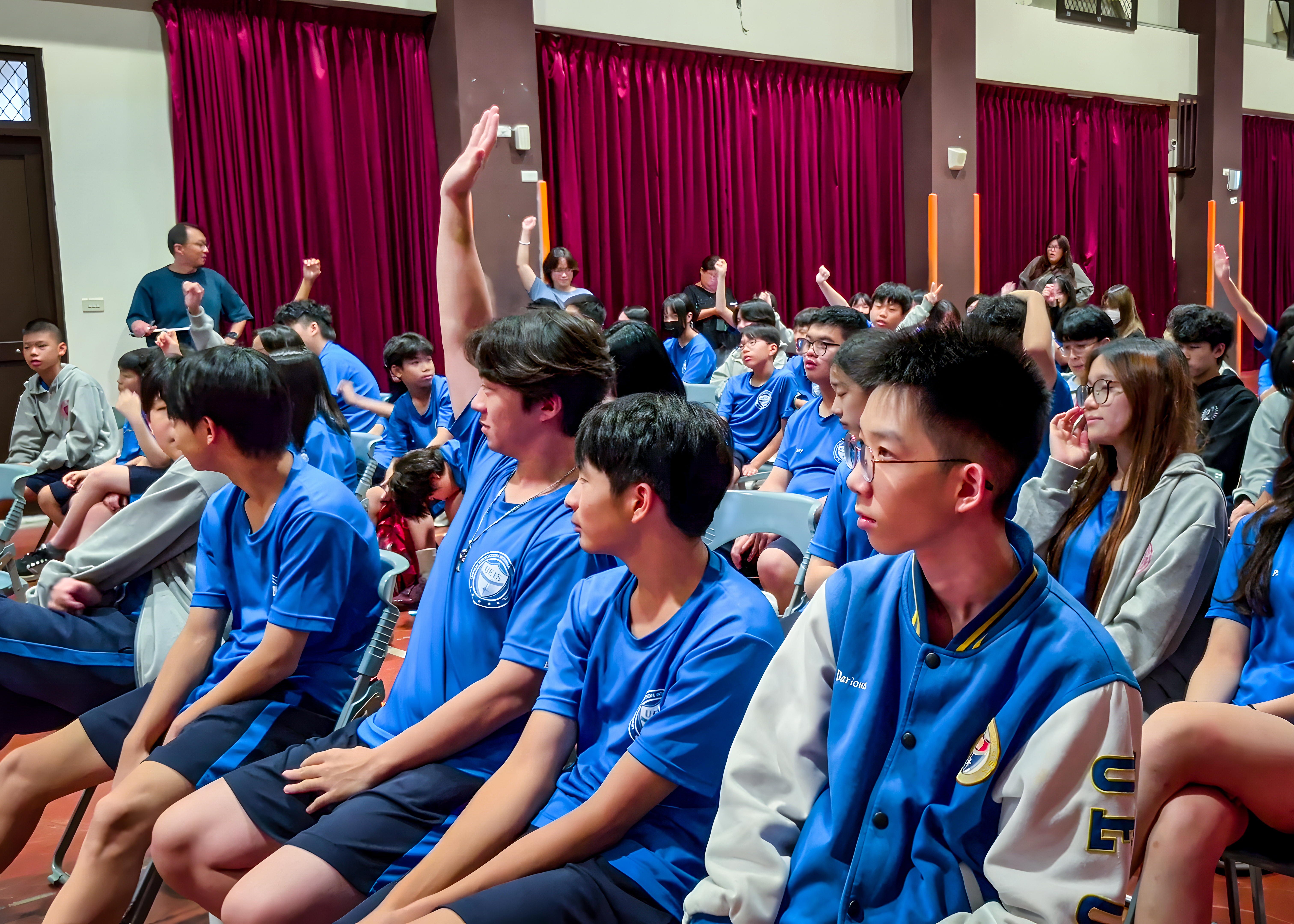
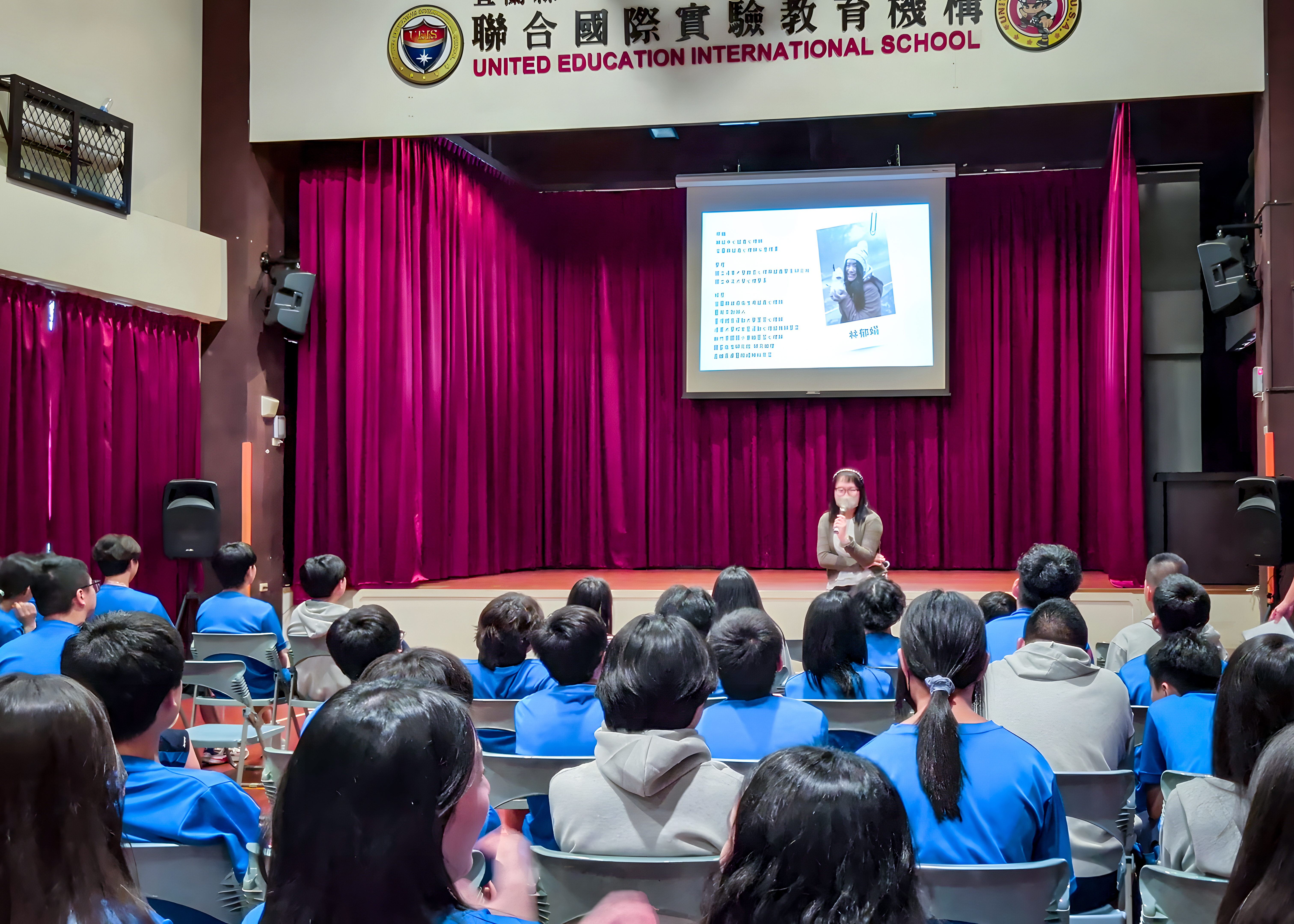
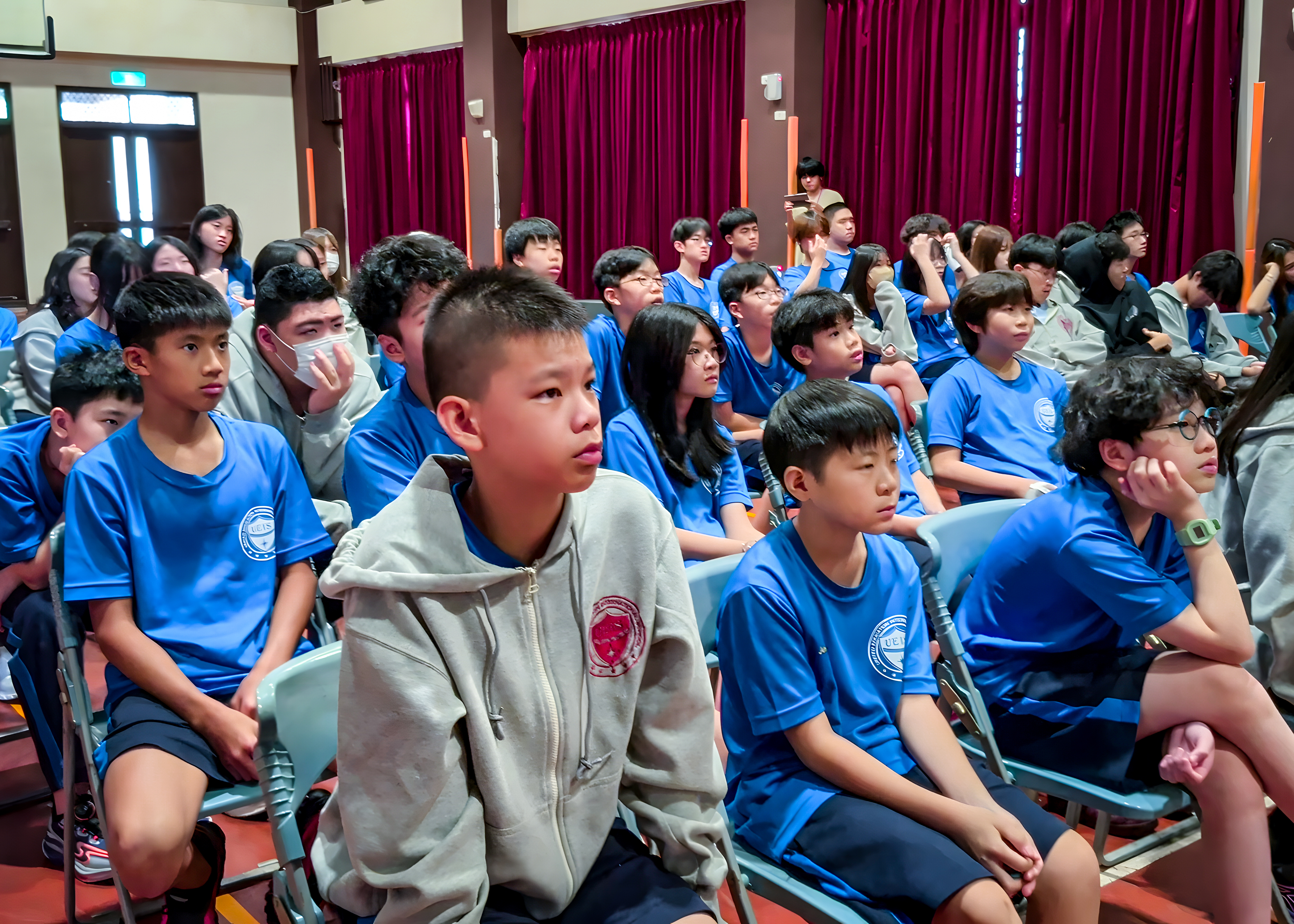
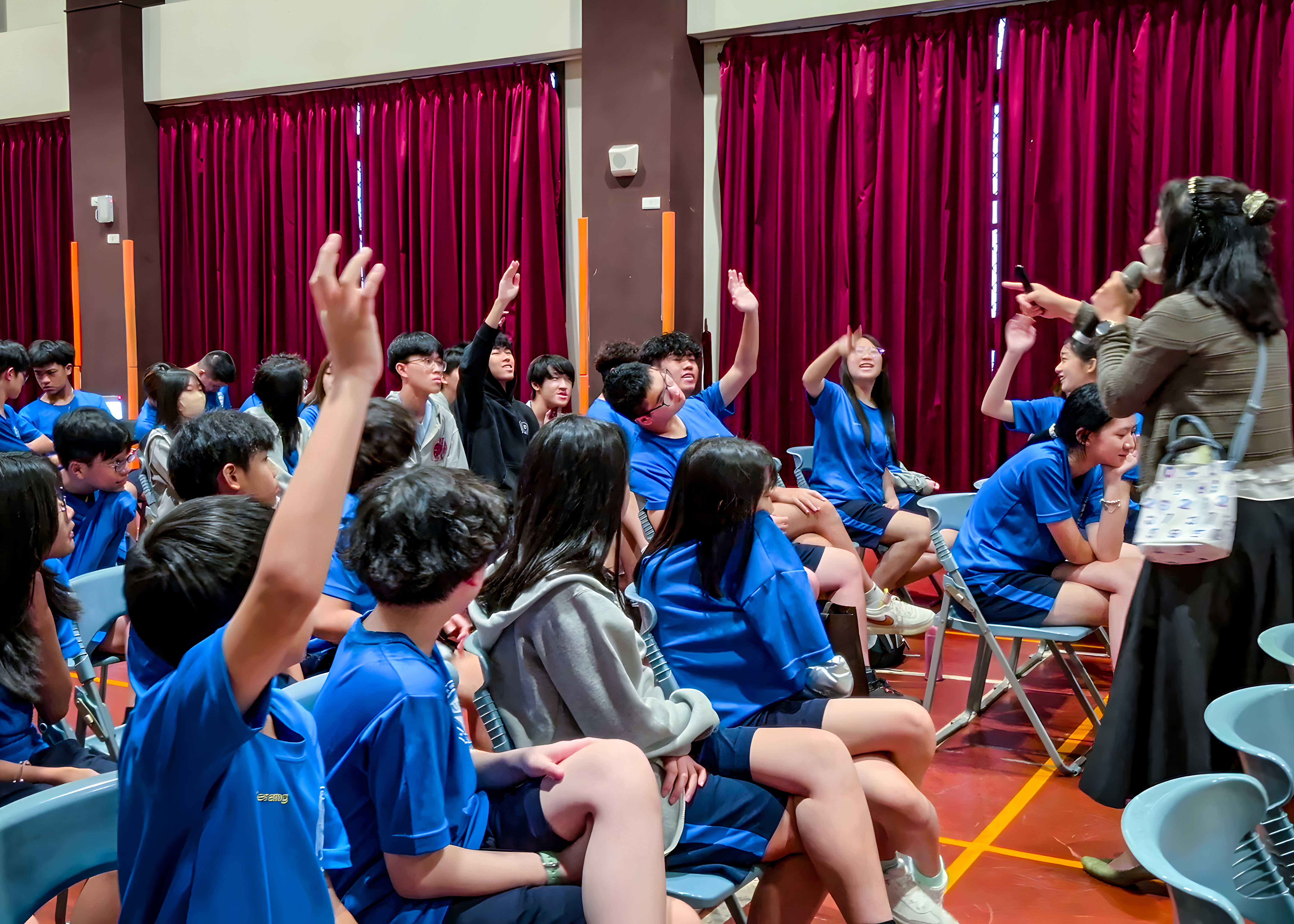
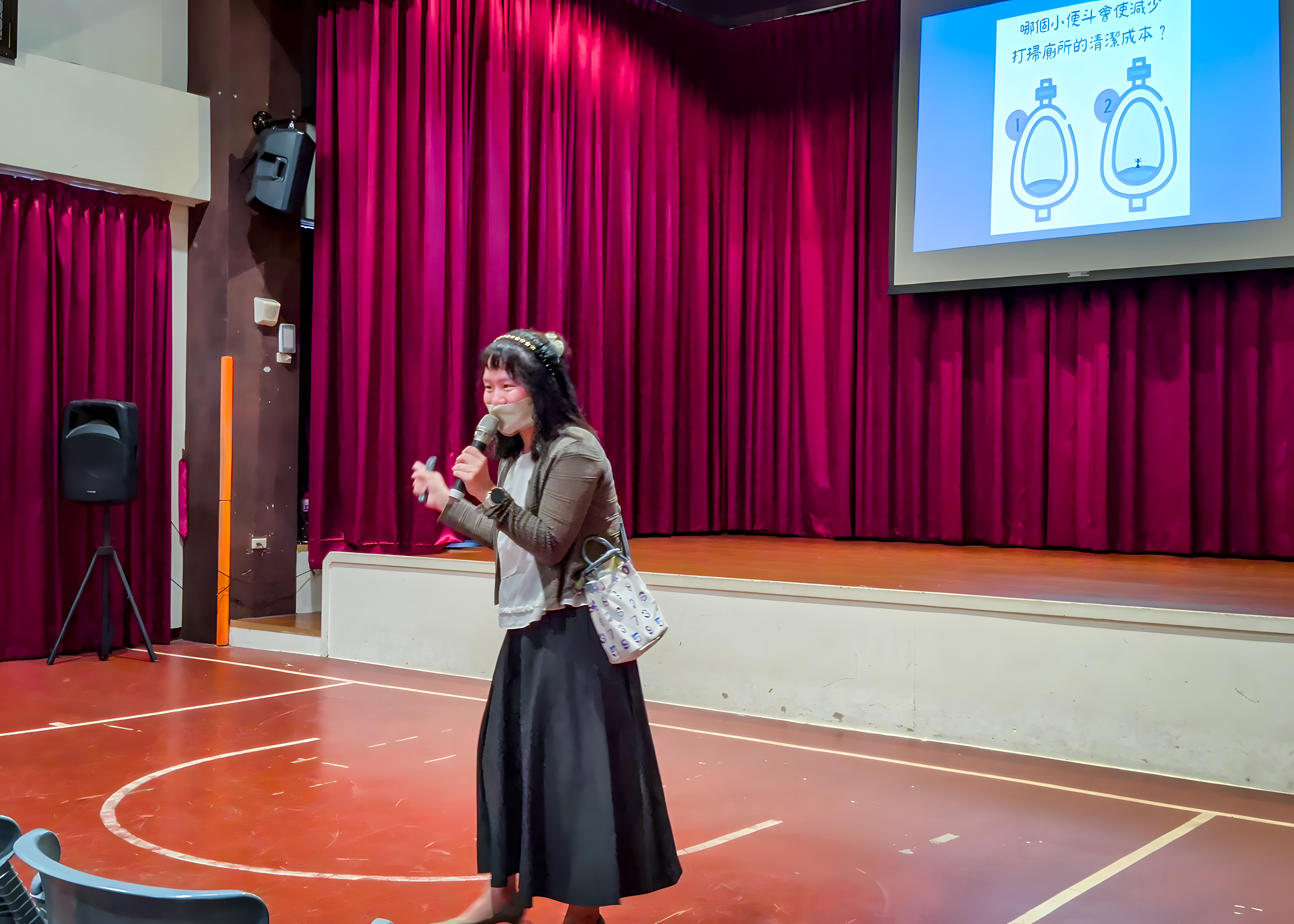
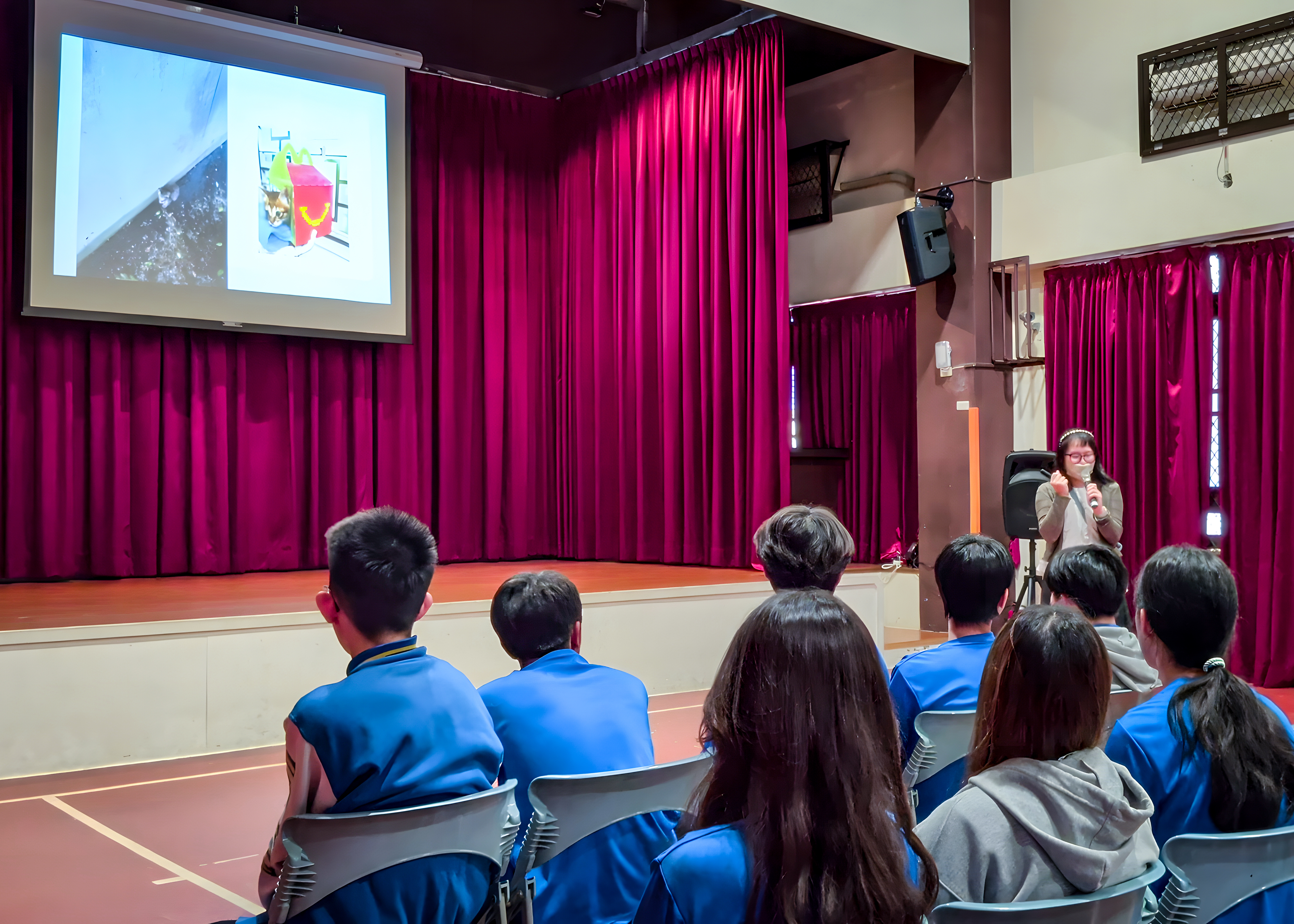
This is one of the reasons UEIS offers the “21st-Century Psychology for Teenagers” course in the new semester. Led by counseling psychologist Lin Yu-Chuan, the course begins with emotions and everyday experiences that teenagers are familiar with, encouraging students to take another look at themselves rather than rushing to tell them what they should become.
During the course, a seemingly simple question encourages students to think about the relationship between memory and emotion: “Do you remember what you had for breakfast yesterday?” We may find it difficult to answer immediately. But if we think of something that happened a long time ago and that we can still remember clearly today, the answer may be completely different. Why are some things quickly forgotten while certain memories remain vivid for years?
Starting with the concept of “flashbulb memories”, students begin to see the important role emotions play in memory. Experiences that make us feel happy, sad, disappointed, surprised, or even deeply affected often become some of the most unforgettable parts of growing up. Emotions are not simply feelings that need to be managed. They can also be one of the ways we come to understand ourselves.
The experiences that remain in our memories also gradually shape how we understand who we are. Discovering for the first time that we really enjoy something, feeling understood in a relationship, accomplishing something we once thought we could not do, or even experiencing failure or disappointment can all become part of growing up. These experiences are like small islands gradually taking shape, slowly forming our understanding of “Who am I?”
But knowing ourselves does not mean giving ourselves a fixed label. What we like or care about today does not mean we cannot change in the future. Nor does a single experience need to determine the direction of our lives.
For teenagers who are still growing, it may therefore be more important to leave room for exploration than to rush to answer the question, “Who am I?” Try different things, meet different people, and pay attention to how we feel through each experience. Sometimes we may discover that we do not enjoy something after trying it. At other times, we may find an unexpected interest in something we never thought we would enjoy. These attempts are themselves part of getting to know who we are.
This is also the kind of learning that UEIS values in education. Learning is not simply about giving students knowledge, nor is it only about helping them arrive at a standard answer. From courses and interactions with classmates to clubs, sports, and everyday experiences, students need opportunities to encounter different possibilities. Through repeated experiences, actions, and exploration, they gradually develop a better understanding of their interests, abilities, and thoughts.
Education, therefore, is not simply the accumulation of knowledge. It is also about giving students the space to try, discover, and gradually build an understanding of themselves as they grow.
For students who live and learn on campus, these experiences do not happen only in the classroom. As a boarding school, UEIS provides students with daily opportunities to interact with different people and situations through campus life, relationships with peers, and everyday interactions. These seemingly ordinary experiences can also become part of how students come to understand themselves, understand others, and make choices.
For this reason, the “21st-Century Psychology for Teenagers” course is not only about mental well-being. It is also about how young people learn to face a rapidly changing world. When they encounter challenges in relationships or everyday life, can they understand what they are feeling? When they face many different choices in the future, do they have enough self-awareness to think about what truly matters to them?
These abilities cannot be fully developed or answered after just one class. They are gradually built through experiences, choices, and exploration over time.
At UEIS, we hope students learn not only how to face exams and academic challenges, but also how to face themselves. Being a teenager does not mean having to become a person who already has everything figured out. There can be questions. There can be changes. There can be new choices.
When students are willing to understand their emotions a little more, try different possibilities, and ask themselves one more time, “What do I really want?”, they may be gradually moving toward an answer that is truly their own.
From this perspective, learning does not happen only through textbooks and classrooms. The emotions, choices, and experiences of real life are also part of growing up. Within UEIS's 1:3 student-to-teacher ratio learning environment, teachers have more opportunities to stay closely connected to students' learning and daily lives. They can understand not only how students perform in class, but also recognize their different needs as they grow.
This kind of support allows teachers to do more than simply deliver knowledge. When students encounter confusion, face important choices, or need support, teachers can provide timely guidance, allowing learning to truly extend beyond the classroom.