

SCHOOL LIFESCHOOL LIFE
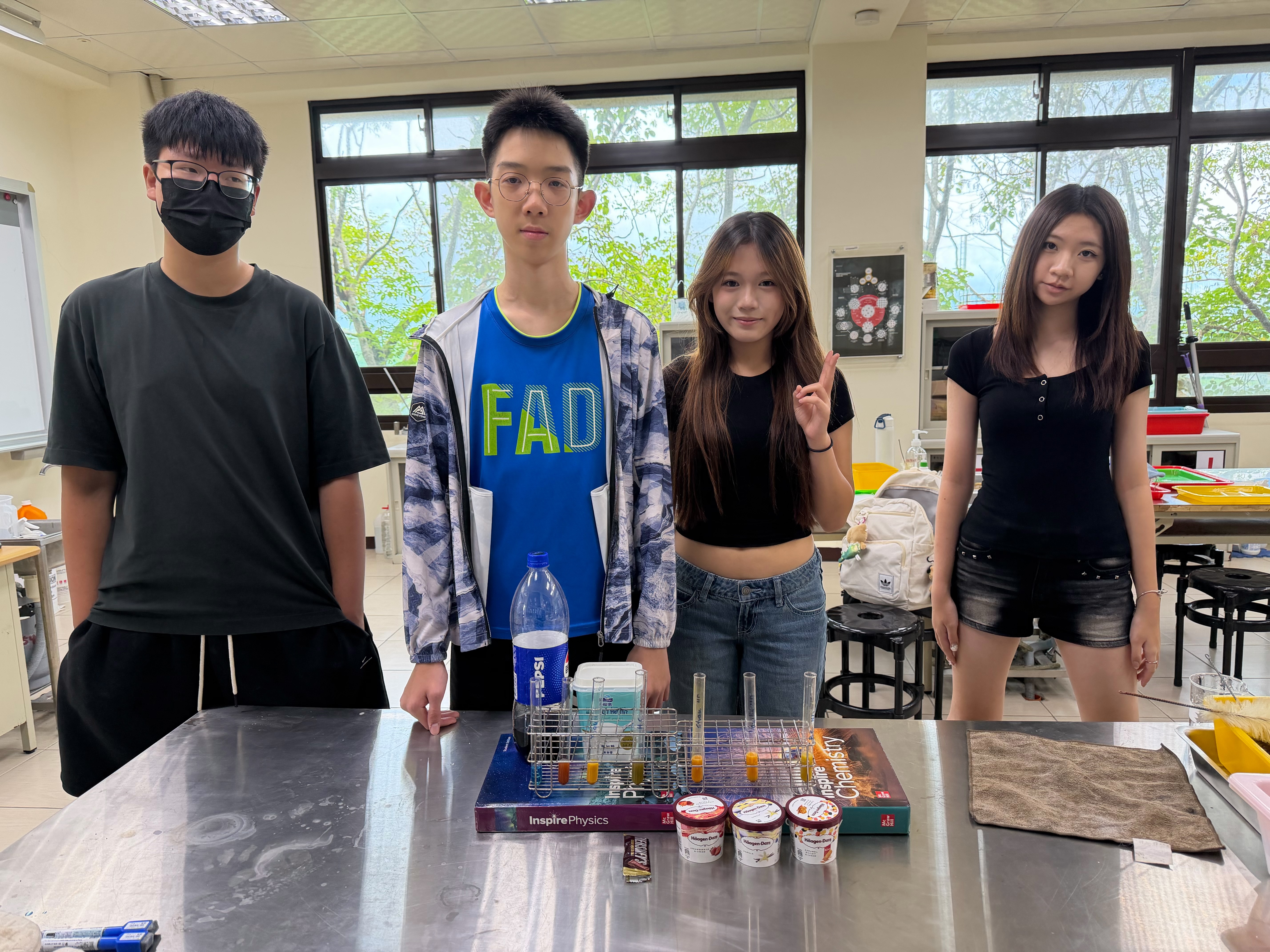
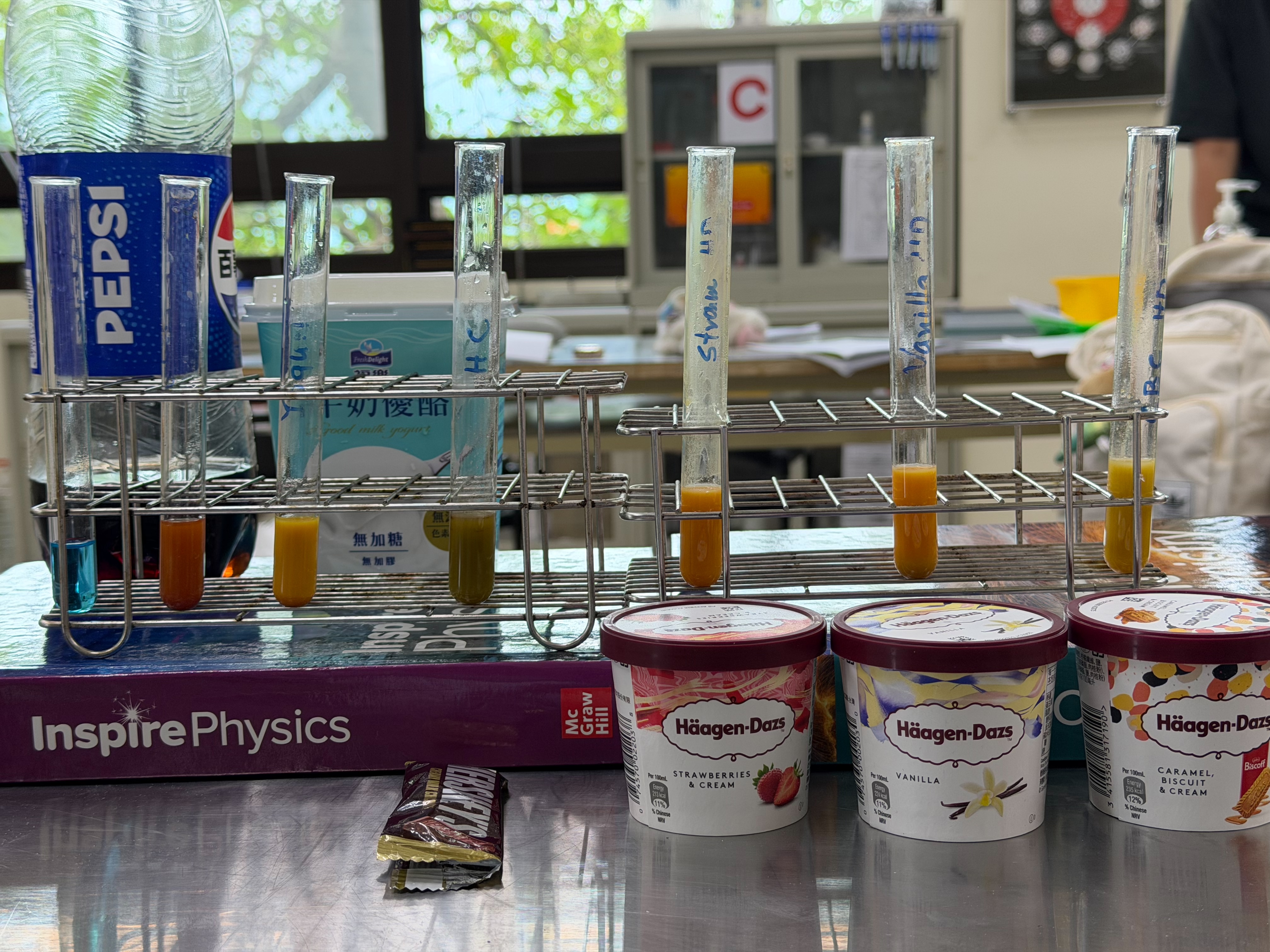
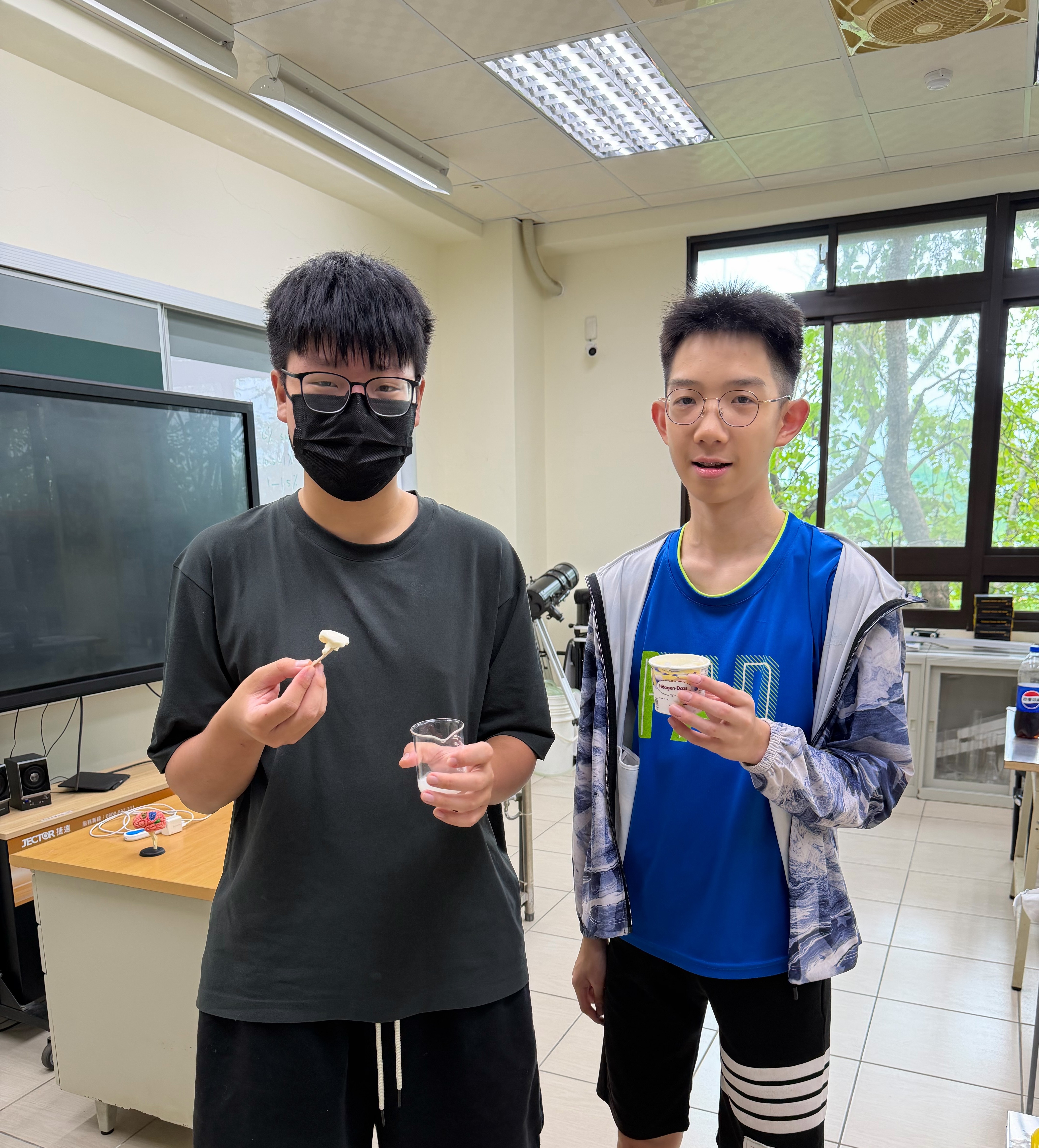
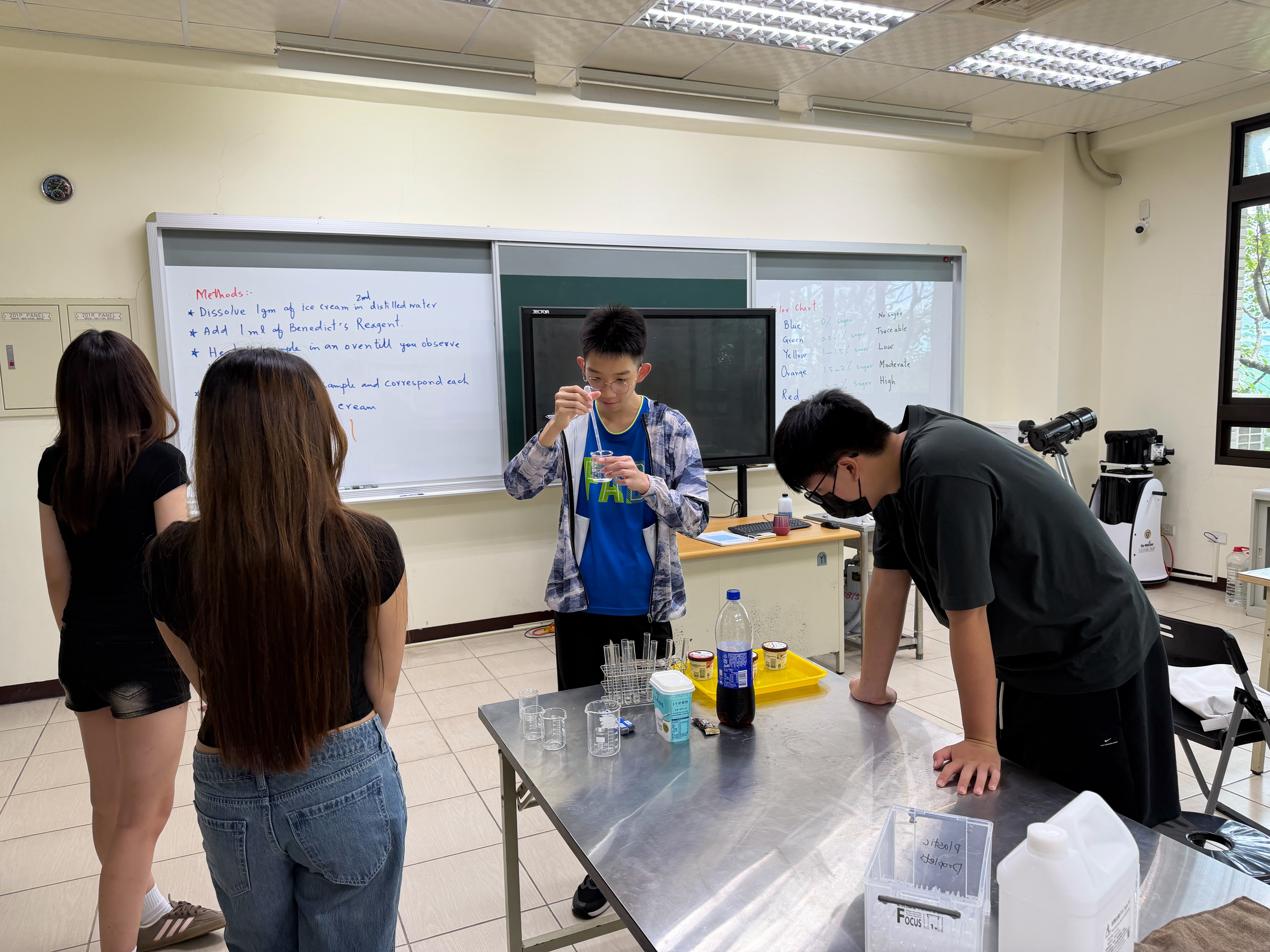
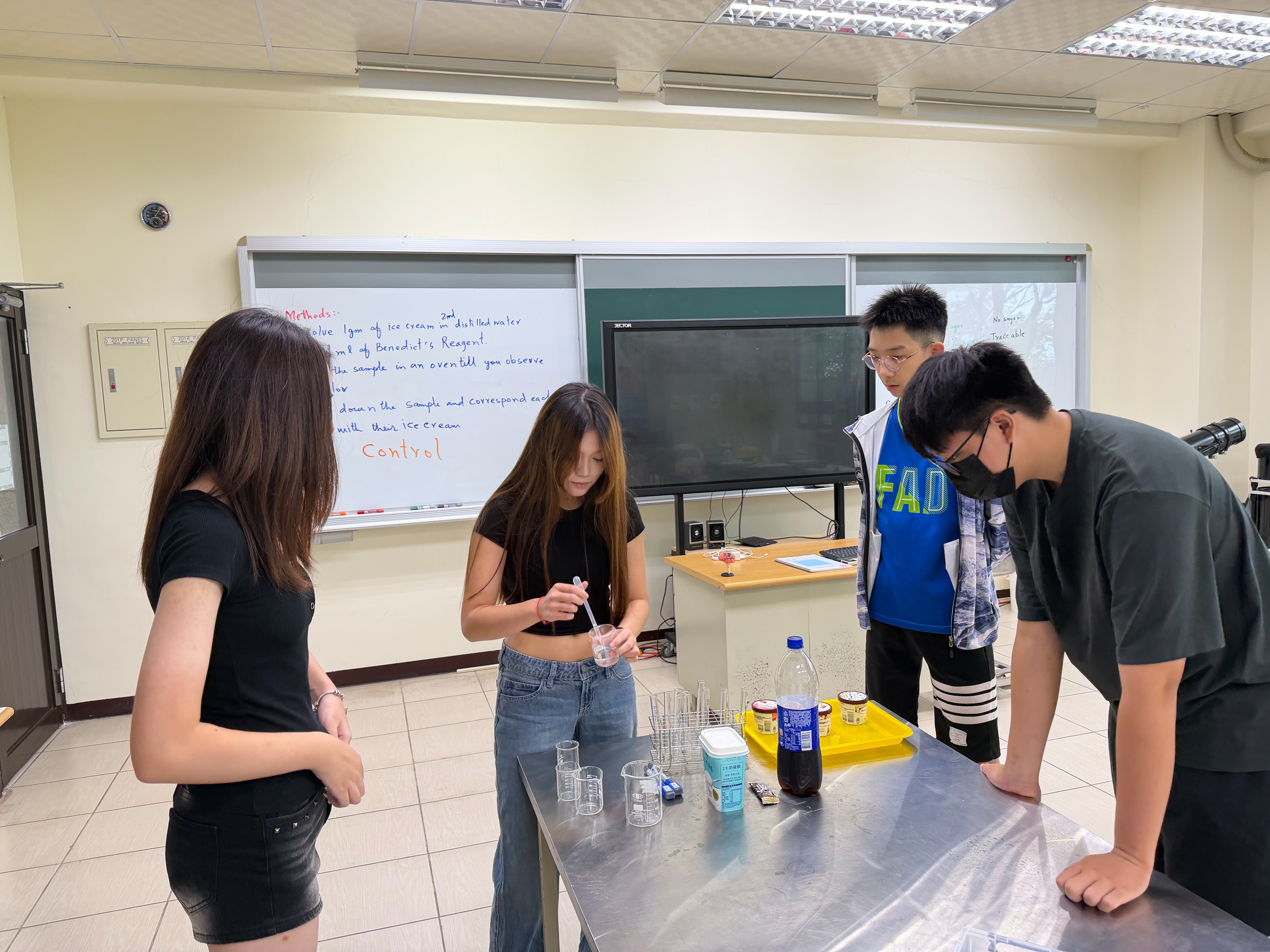
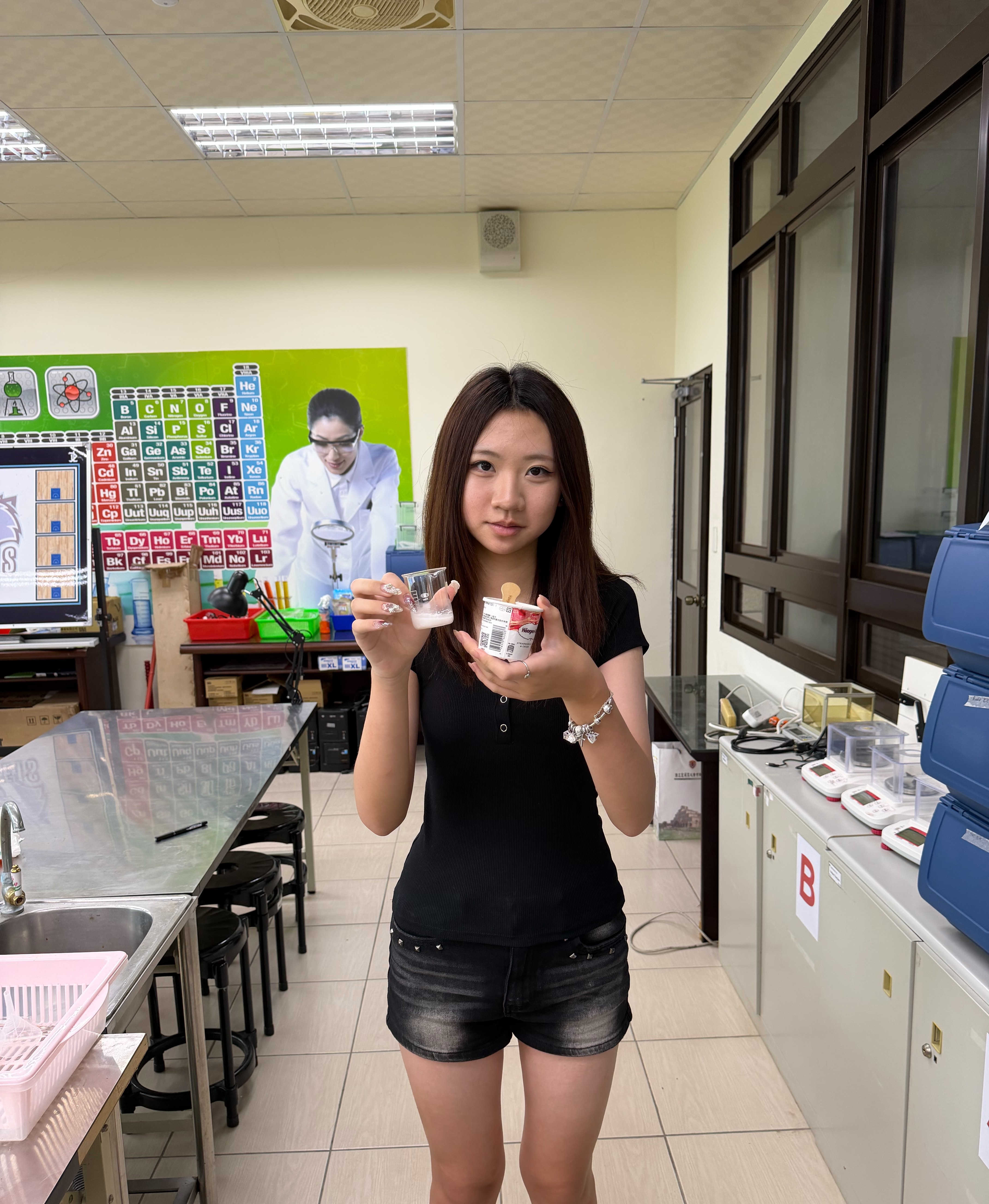
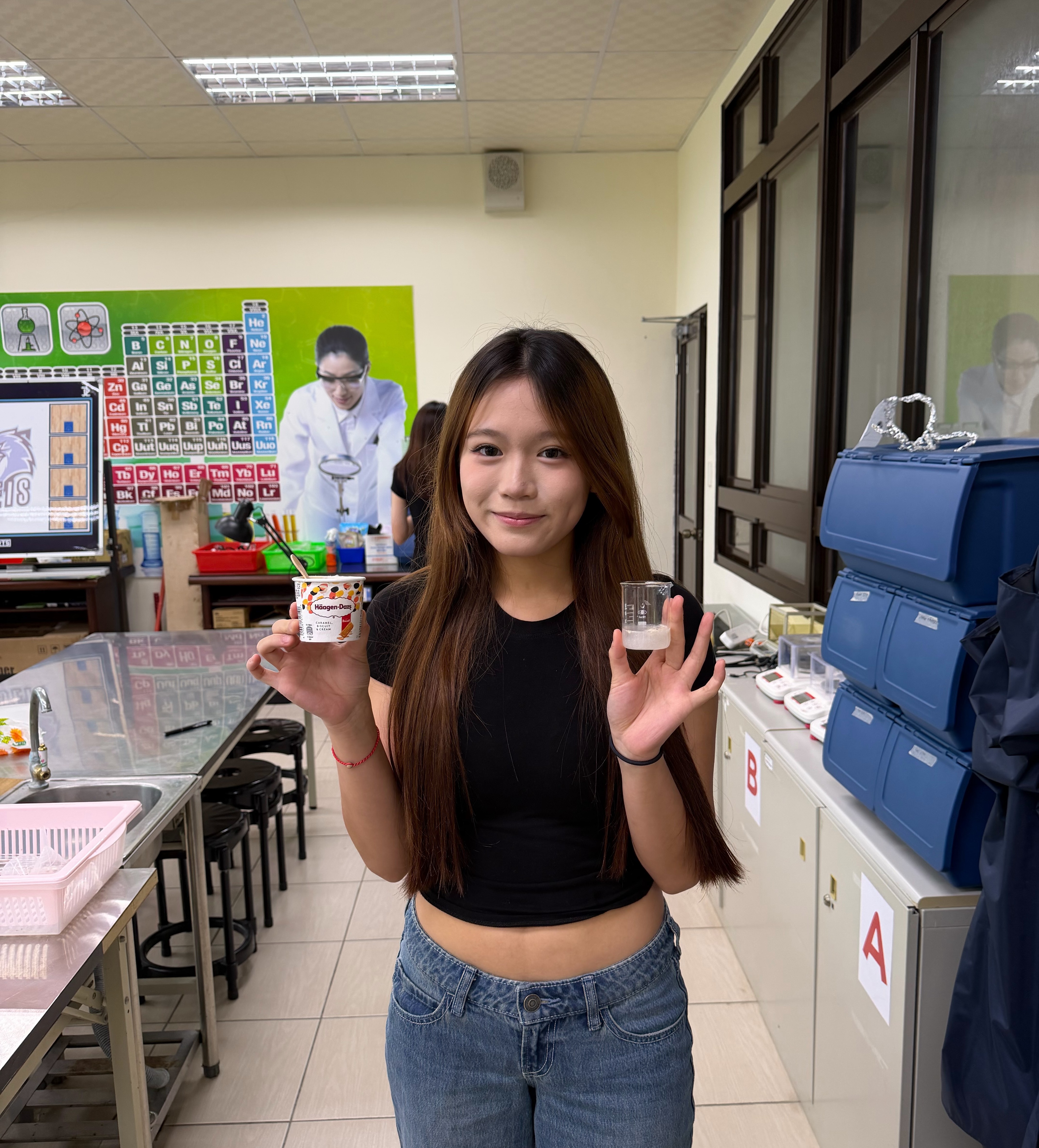
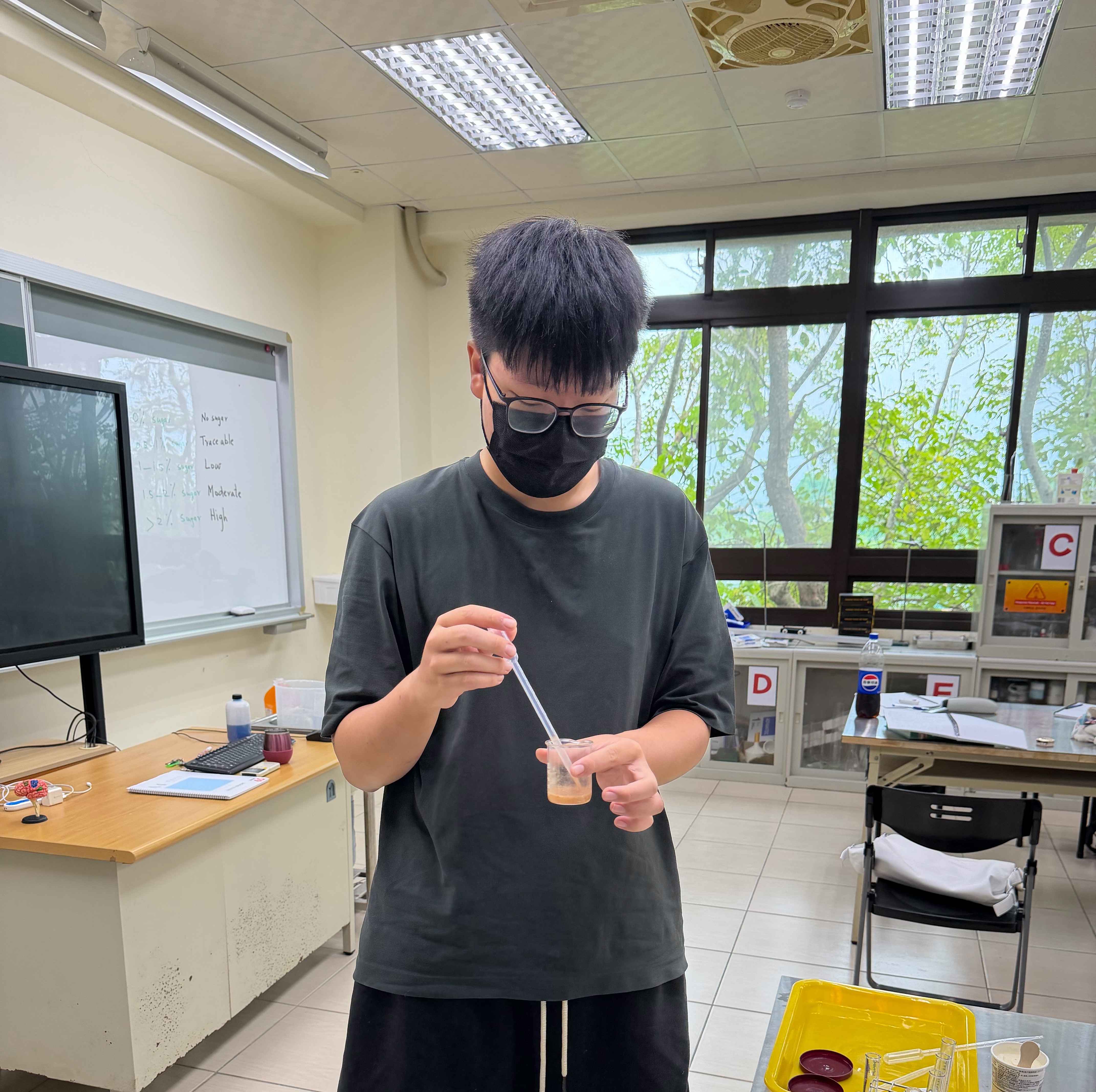
In the chemistry classes at United Education International School (UEIS), students recently used different flavors of Häagen-Dazs ice cream as experimental samples. Through a simple chemistry experiment, they observed how different samples reacted in a reducing sugar test.
In addition to different flavors of Häagen-Dazs, the experiment also included common sweets and beverages as comparisons. When we eat these foods in everyday life, we may pay more attention to their taste, sweetness, or whether we enjoy them, but we do not necessarily take the time to look closely at their ingredients or sugar content on the food labels. Once these familiar foods entered the laboratory, students began by examining the information on the food labels, comparing different samples side by side, and then observing whether the experimental results matched what they had originally expected.
And that is what makes hands-on experiments so interesting.
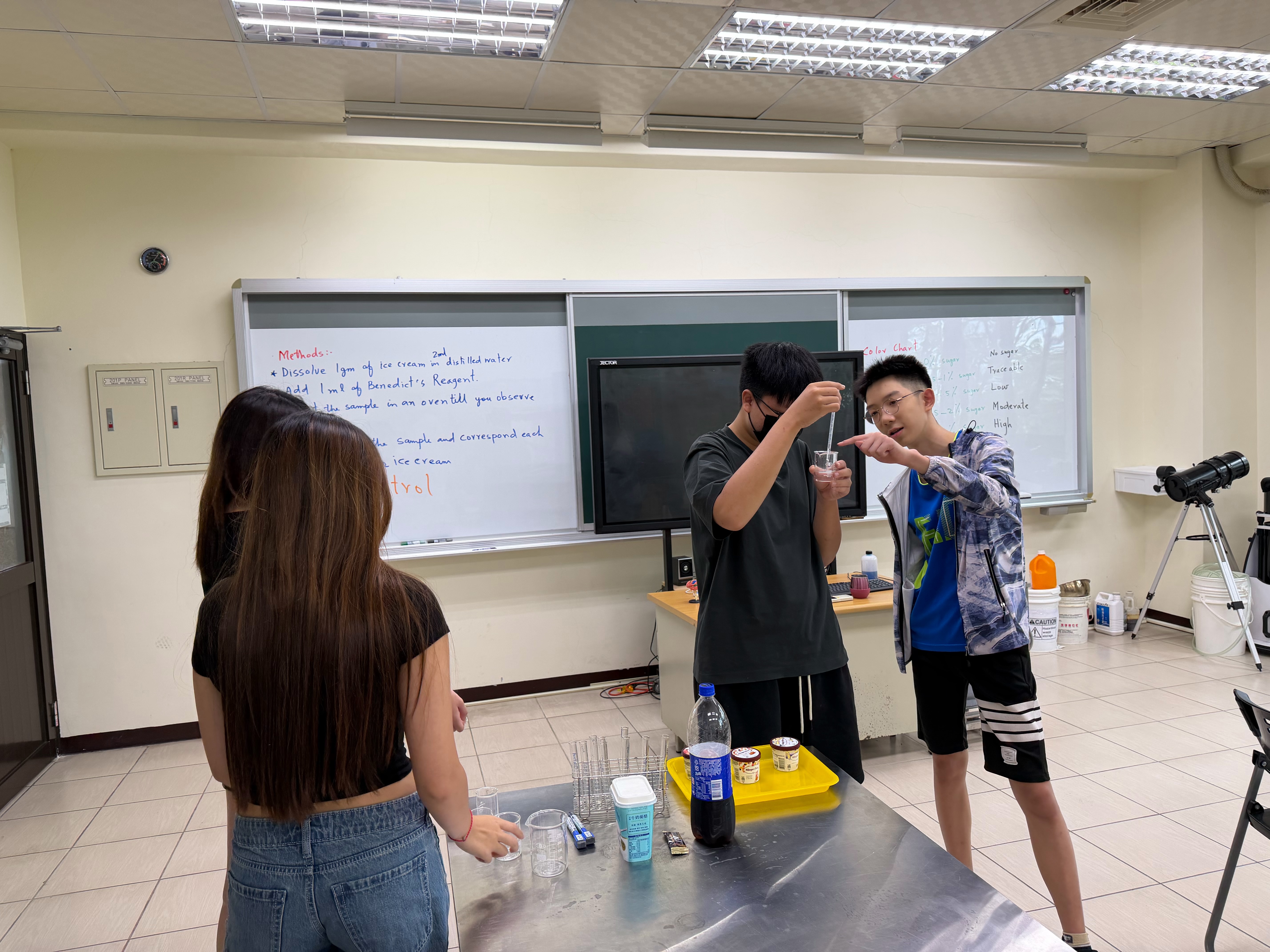
Students were not simply given the answers and asked to follow a set of steps to complete the experiment. They had to conduct the experiment themselves, observe the changes, and compare the differences between the samples based on their results. When the results in front of them were different from what they had expected, a natural question emerged:
Why did this happen?
For UEIS, this process is an important part of experiential learning. Learning is not simply about transferring knowledge from a textbook into students' minds. It is about giving students the opportunity to take part in the learning process themselves. Through hands-on practice, observation, and thinking, they gradually build their own understanding. When students begin to move from “seeing the result” to “thinking about the reason behind it,” they are learning more than the outcome of a single experiment. They are learning how to approach a question, observe a phenomenon, and try to find an answer.
This is also why UEIS places strong emphasis on hands-on learning and inquiry-based exploration. By starting with experiences that students are already familiar with in everyday life, we give them opportunities to conduct experiments, ask questions, compare results, and reconsider what they originally thought they understood. For students, this is more than simply attending a chemistry class. It is an opportunity to learn how to look at familiar things from different perspectives through a real experience.
After the class ended, Häagen-Dazs was still Häagen-Dazs. Nothing about the ice cream itself had changed. But for the students, the way they looked at it had.
Starting with something familiar, learning to ask one more question and look from one more perspective—perhaps that is when real learning begins.
And that is the habit UEIS hopes students will gradually develop through every learning experience.