

SCHOOL LIFESCHOOL LIFE
As generative AI can now complete translations, writing, and information organization within seconds, access to knowledge is no longer the greatest competitive advantage.
What truly determines a child's future is the ability to ask meaningful questions, analyze real-world situations, collaborate with others to solve problems, and continue learning and innovating in an ever-changing world.
For this reason, United Education International School (UEIS) has long been committed to Project-Based Learning (PBL). Through authentic, real-world challenges, upper-grade students engage in exploration, discussion, design, hands-on creation, and reflection. They apply classroom knowledge to real-life situations while developing the essential skills of critical thinking, communication, collaboration, creative problem-solving, and self-directed learning.
During one PBL project last semester, students began with a simple question:
"Can our campus become a better place because of us?"
There was no predefined topic and no standard answer.
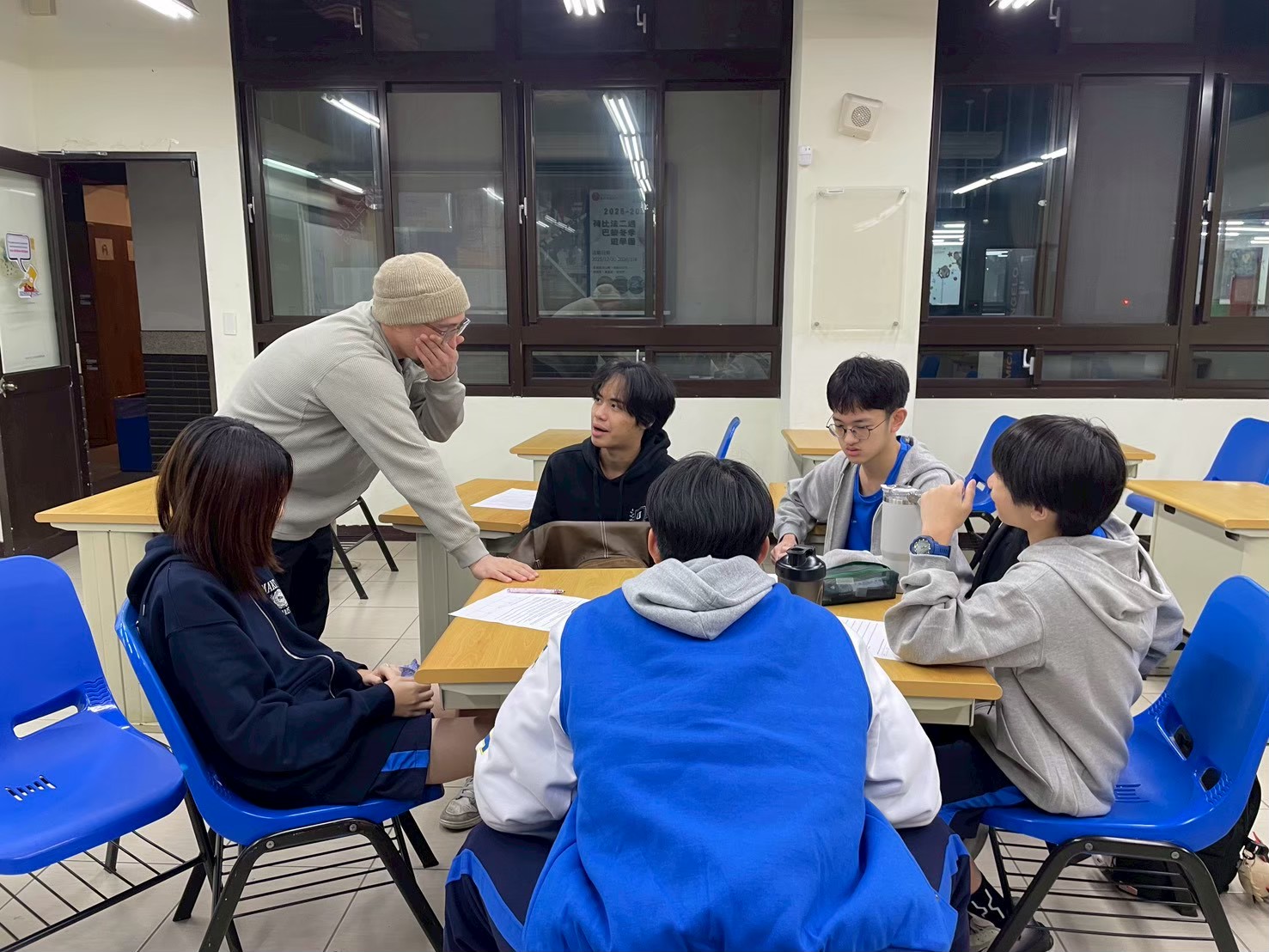
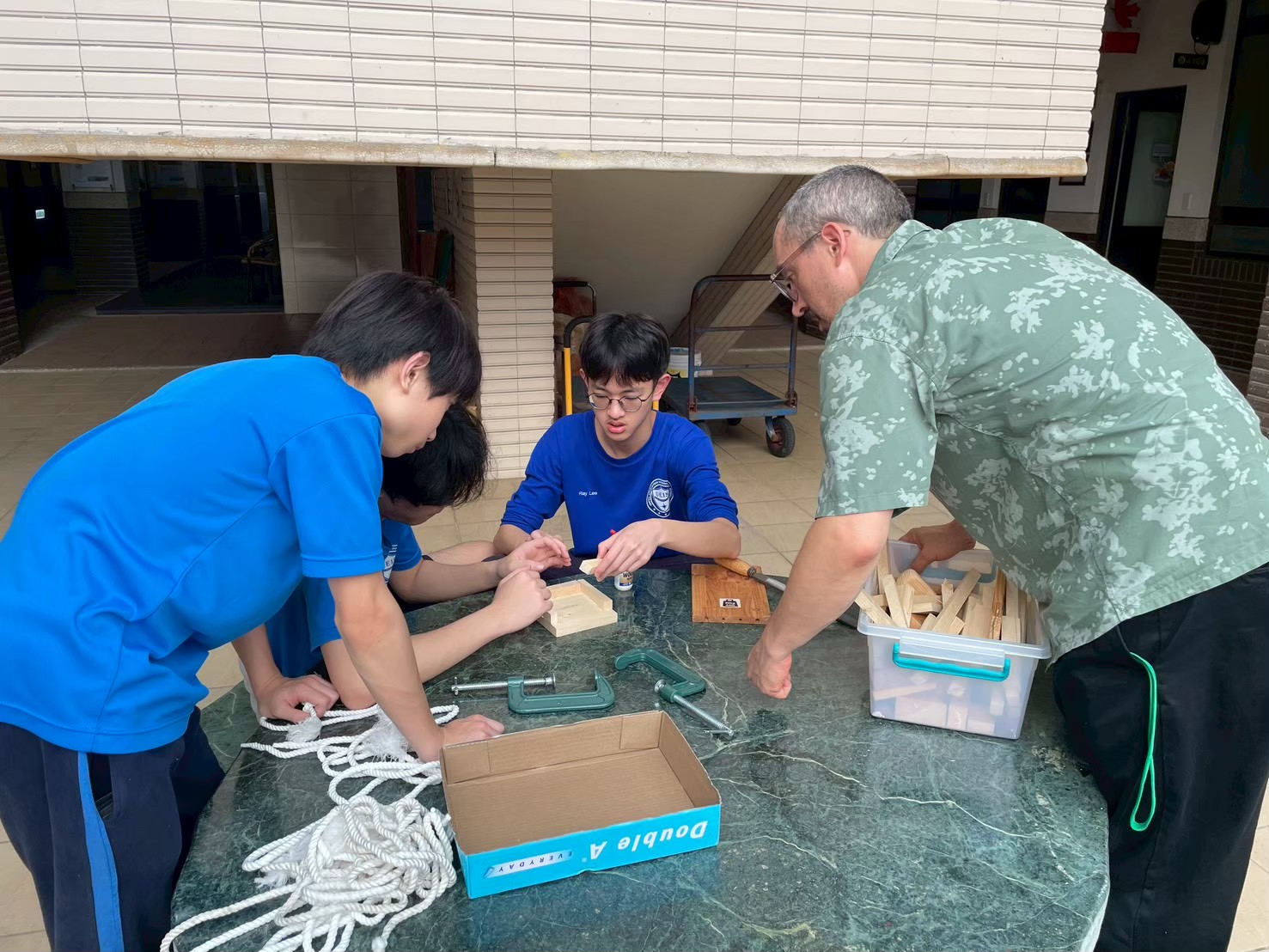
Students explored different areas of the campus, observed their surroundings, documented what they discovered, and discussed ideas in groups. Their goal was to identify a genuine problem that existed on campus—not to invent one simply to complete an assignment.
After repeated observations and discussions, students noticed an increasing number of mynas on campus while seeing very few small native birds.
Driven by curiosity, they began researching bird behavior, habitats, and ecological relationships. They gradually realized that the issue might not simply be competition from invasive bird species, but rather that smaller birds lacked safe and suitable nesting spaces on campus.
This led to a new research question:
"Can we create a safer habitat for small birds on our campus?"
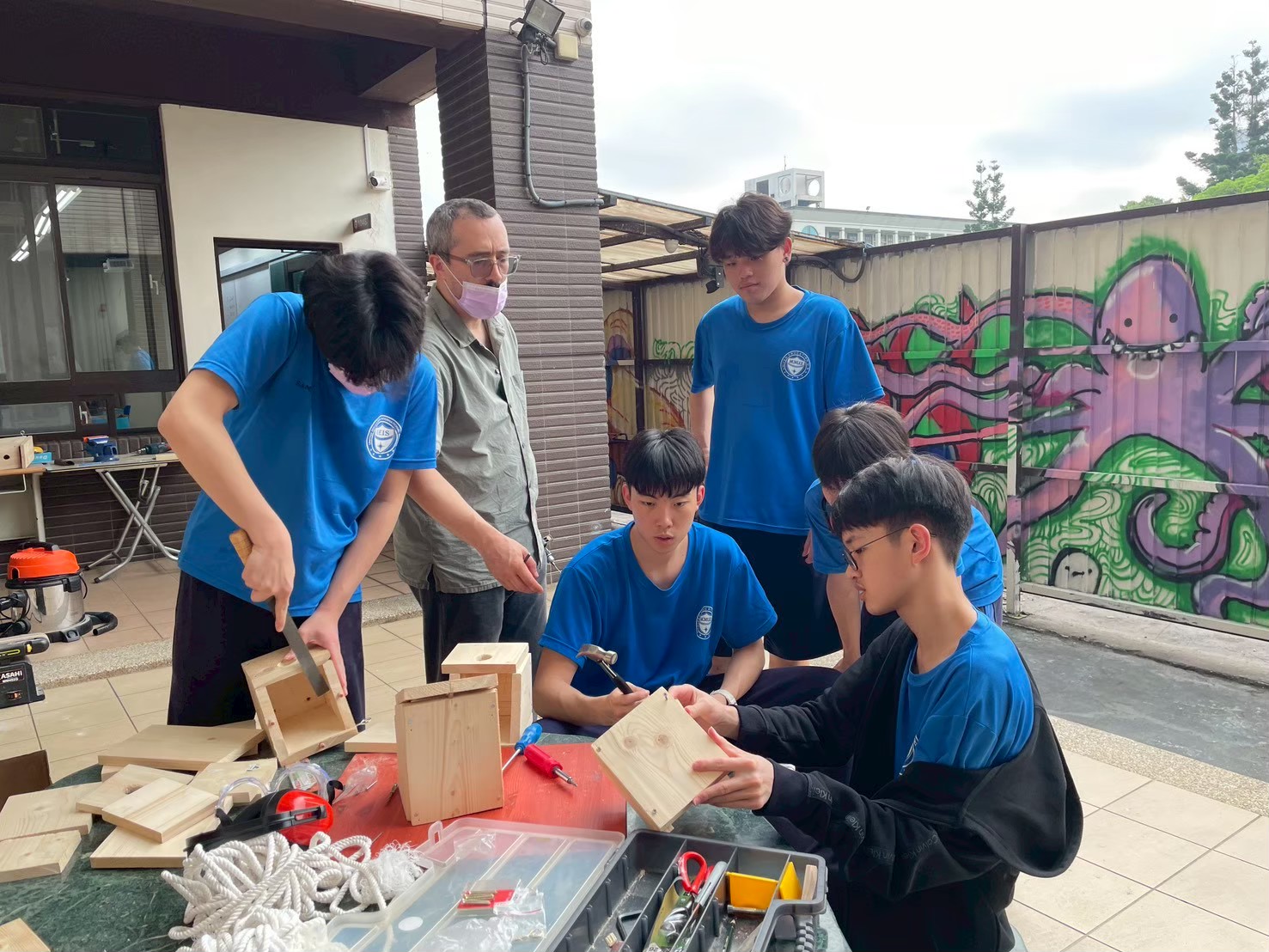
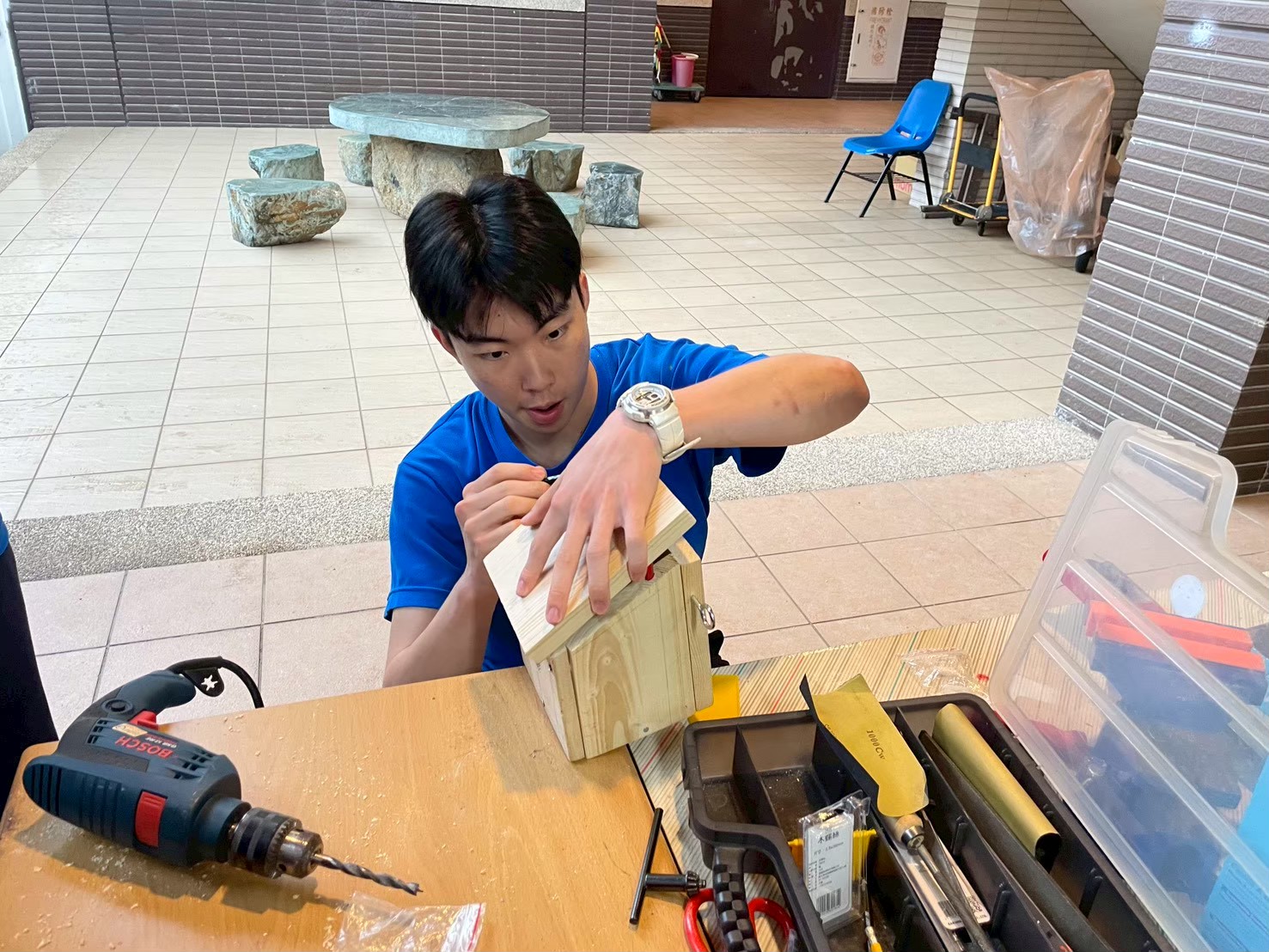
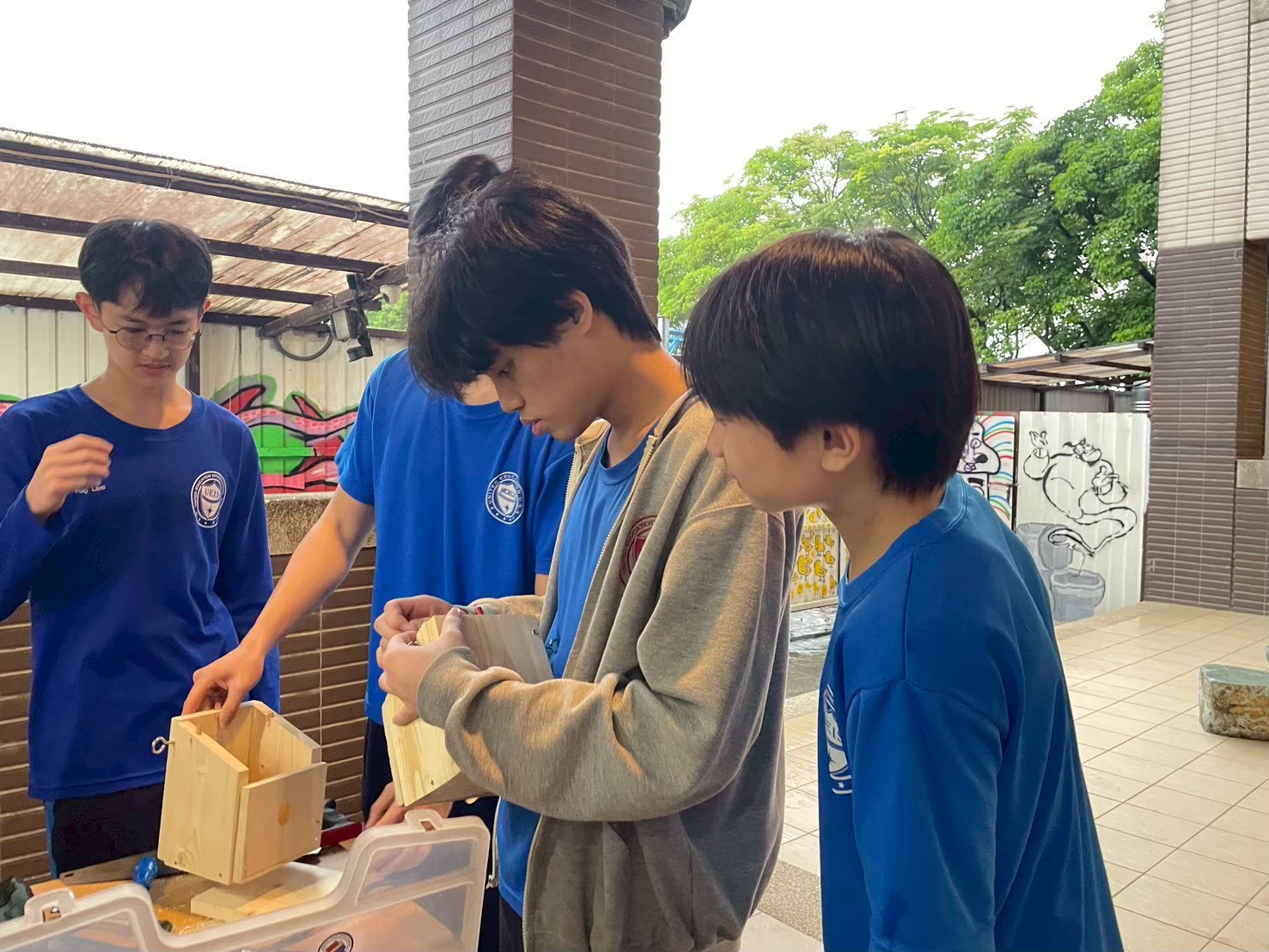
With a clear direction in mind, the students decided to design and build birdhouses suitable for small birds.
However, once they began the project, they quickly realized that turning an idea into a real product was far more challenging than they had expected.
How large should the birdhouse be? Would the entrance size suit different bird species? Which materials would provide both safety and durability? Would the chosen location truly be suitable for nesting?
None of these questions had immediate answers.
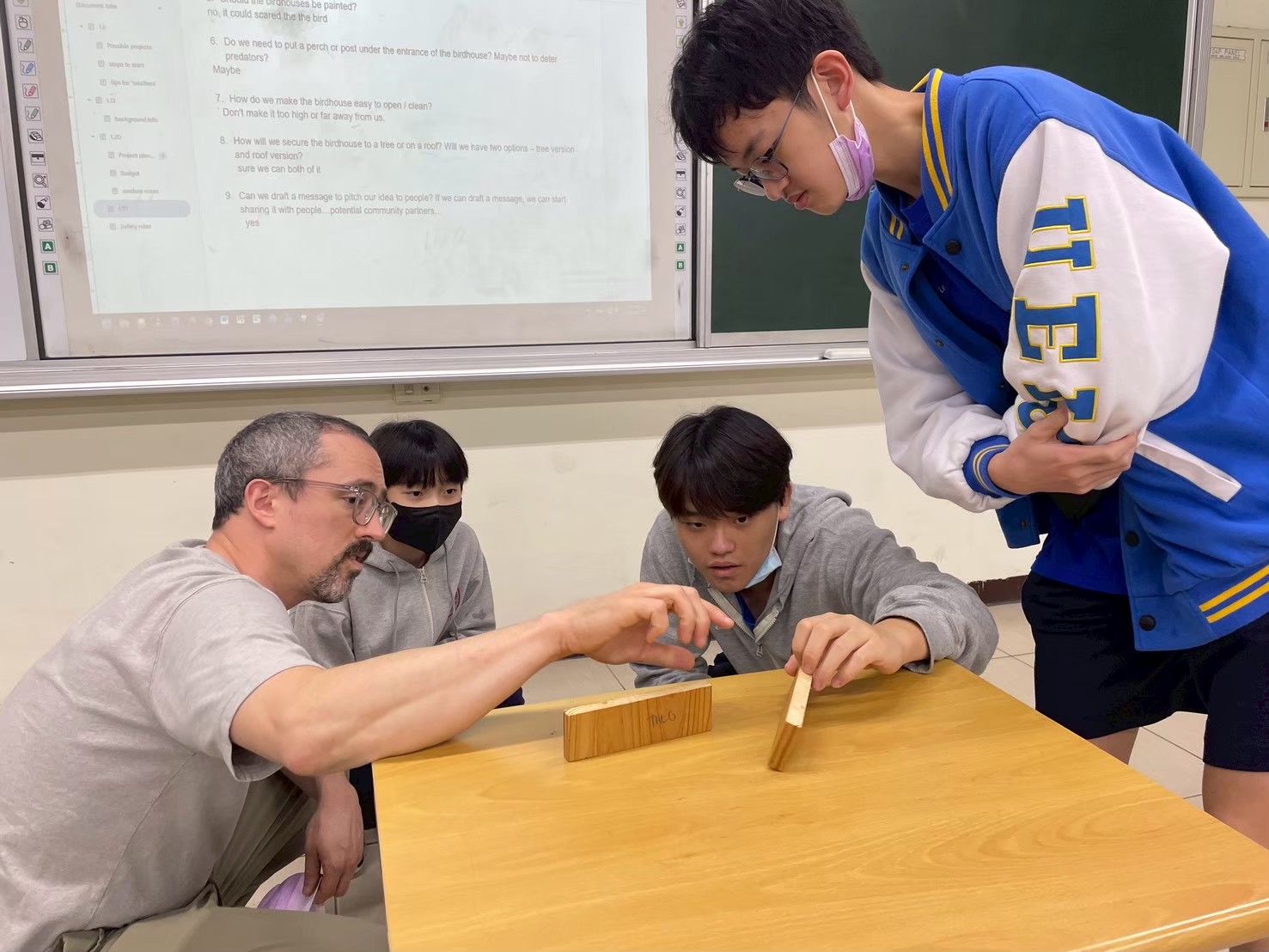
Students had to research, discuss, test, and refine their ideas before gradually finding effective solutions.
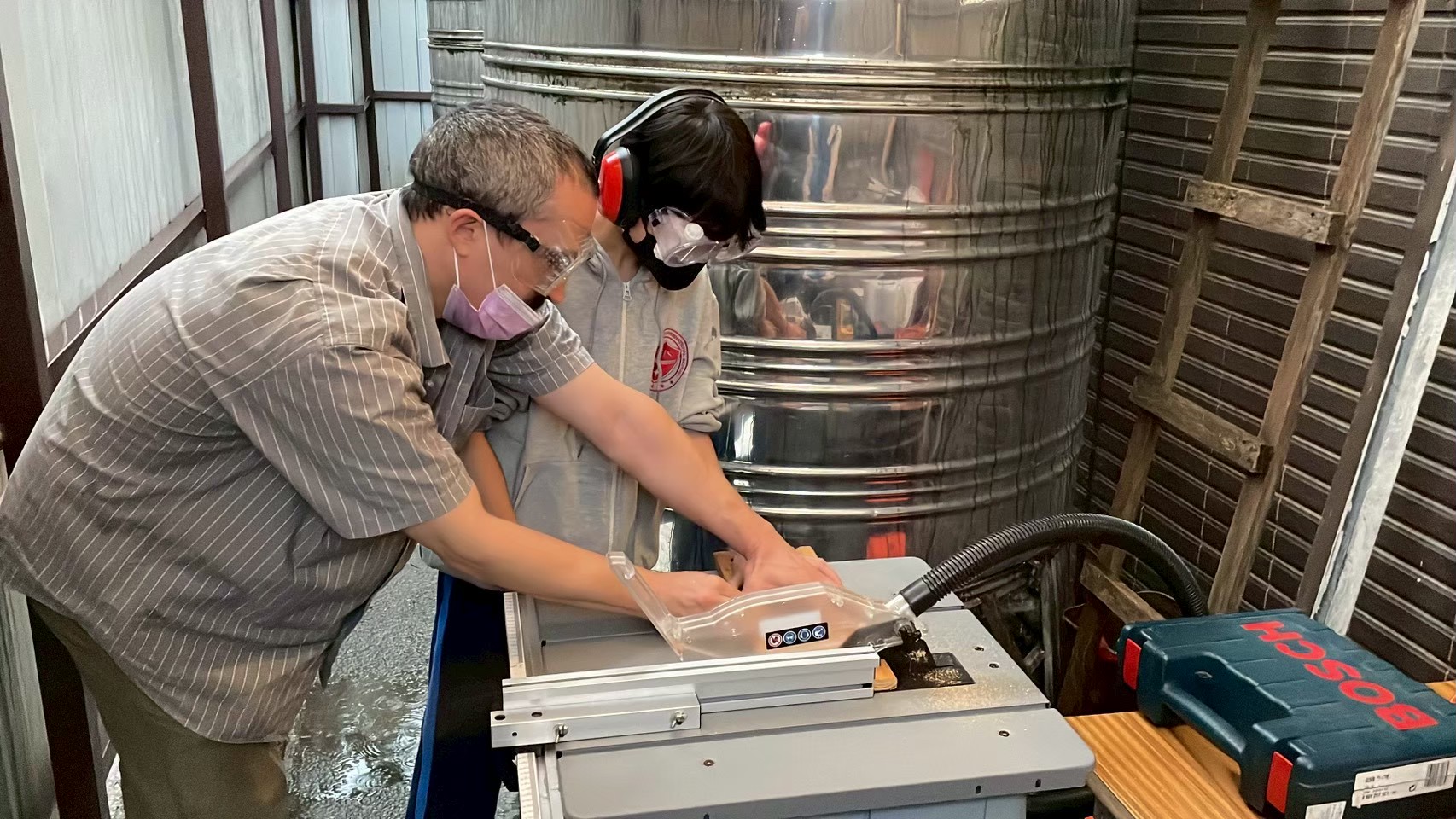
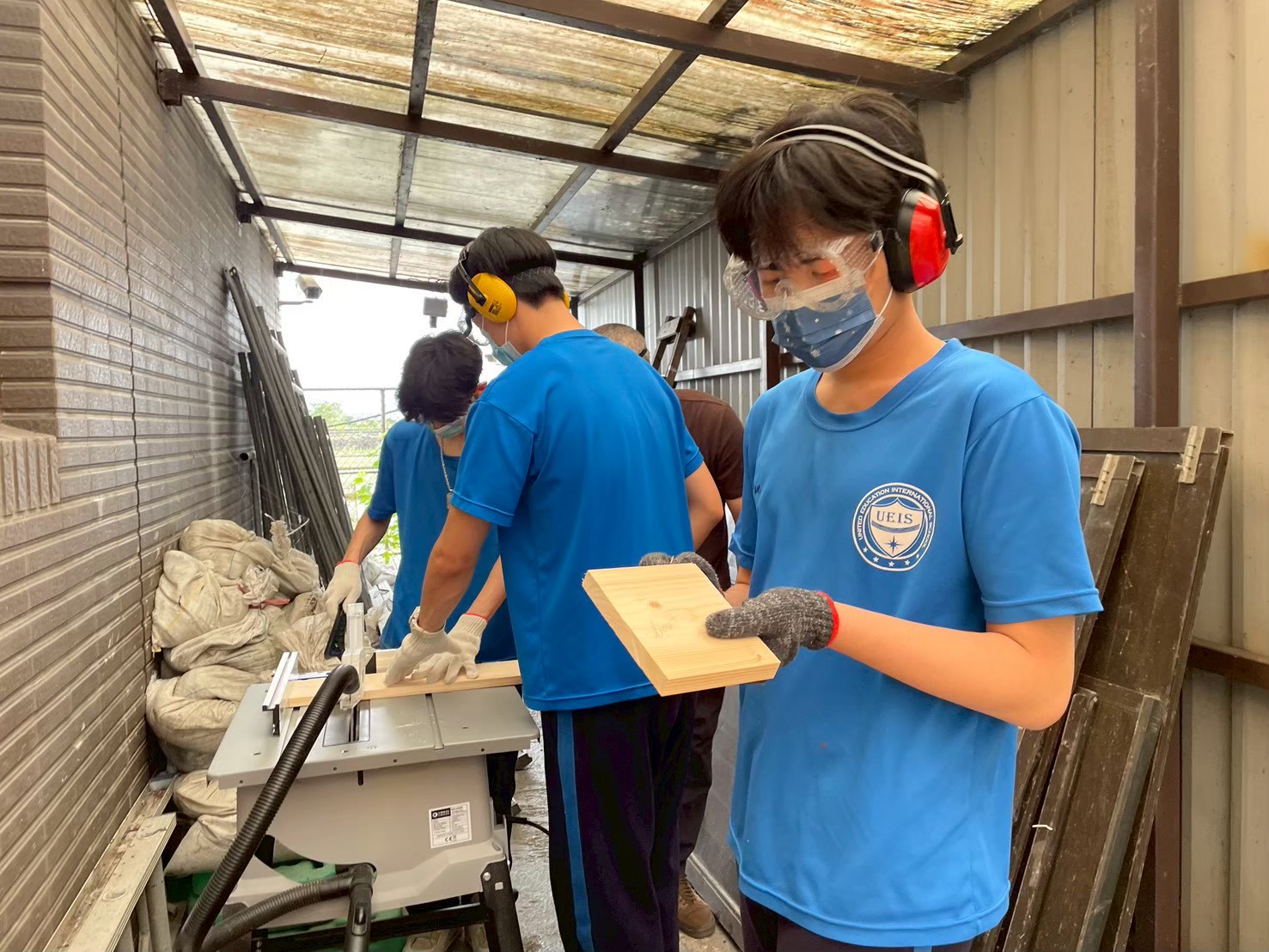
Throughout the process, they learned how to draw design plans, calculate dimensions, and safely operate woodworking equipment under the guidance of their teachers to cut, sand, and assemble the wooden pieces.
The project was far from perfect on the first attempt.
Some designs proved unstable after assembly and had to be redesigned. Some measurements needed to be taken again. Other ideas had to be revised once students saw how they worked in practice.
Again and again, students experimented, reflected, improved, and tried once more.
This is the true value of Project-Based Learning.
Students learned far more than how to build a birdhouse. They learned how to gather information, analyze problems, work collaboratively, and adapt their ideas when facing unfamiliar challenges.
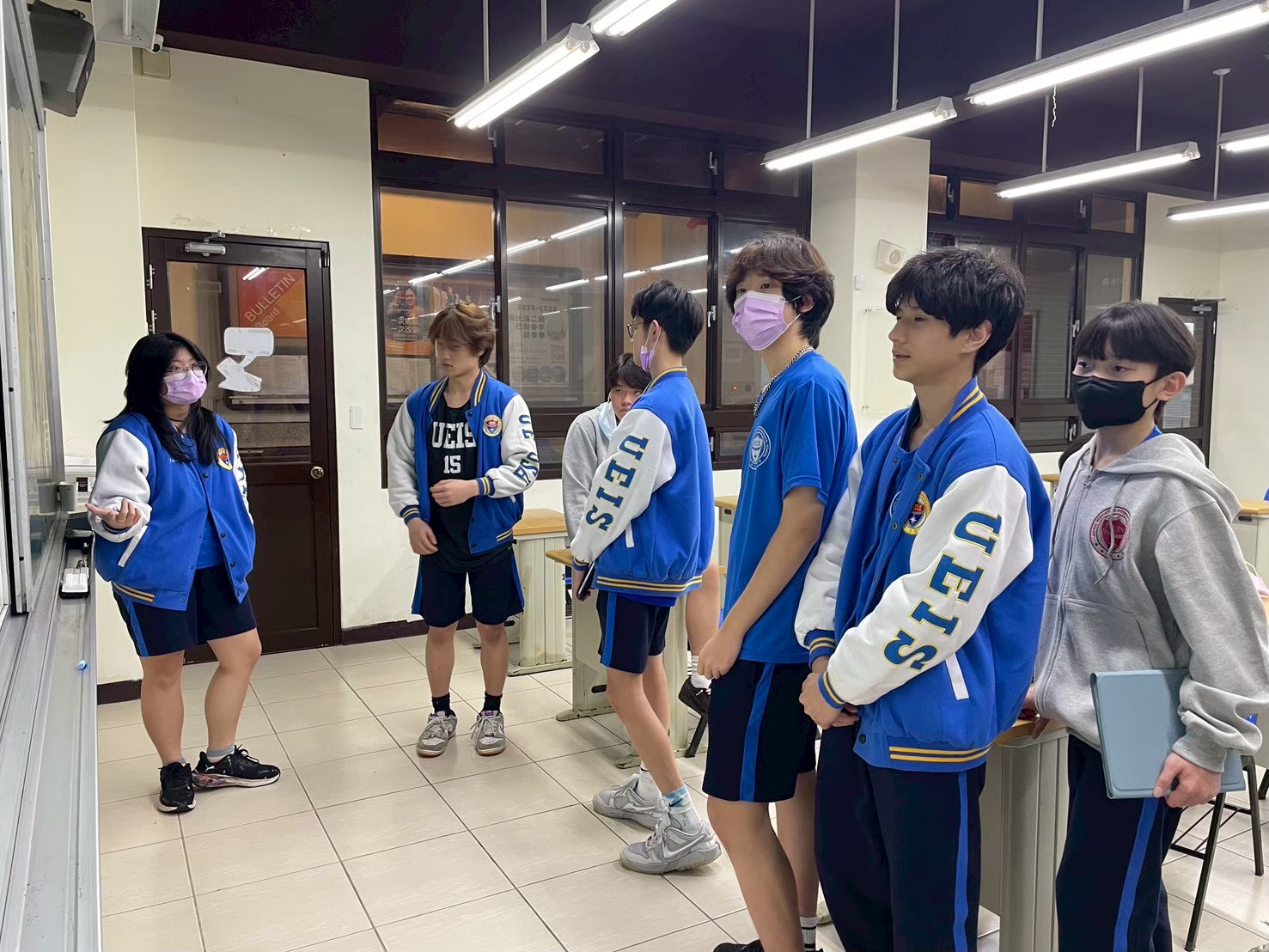
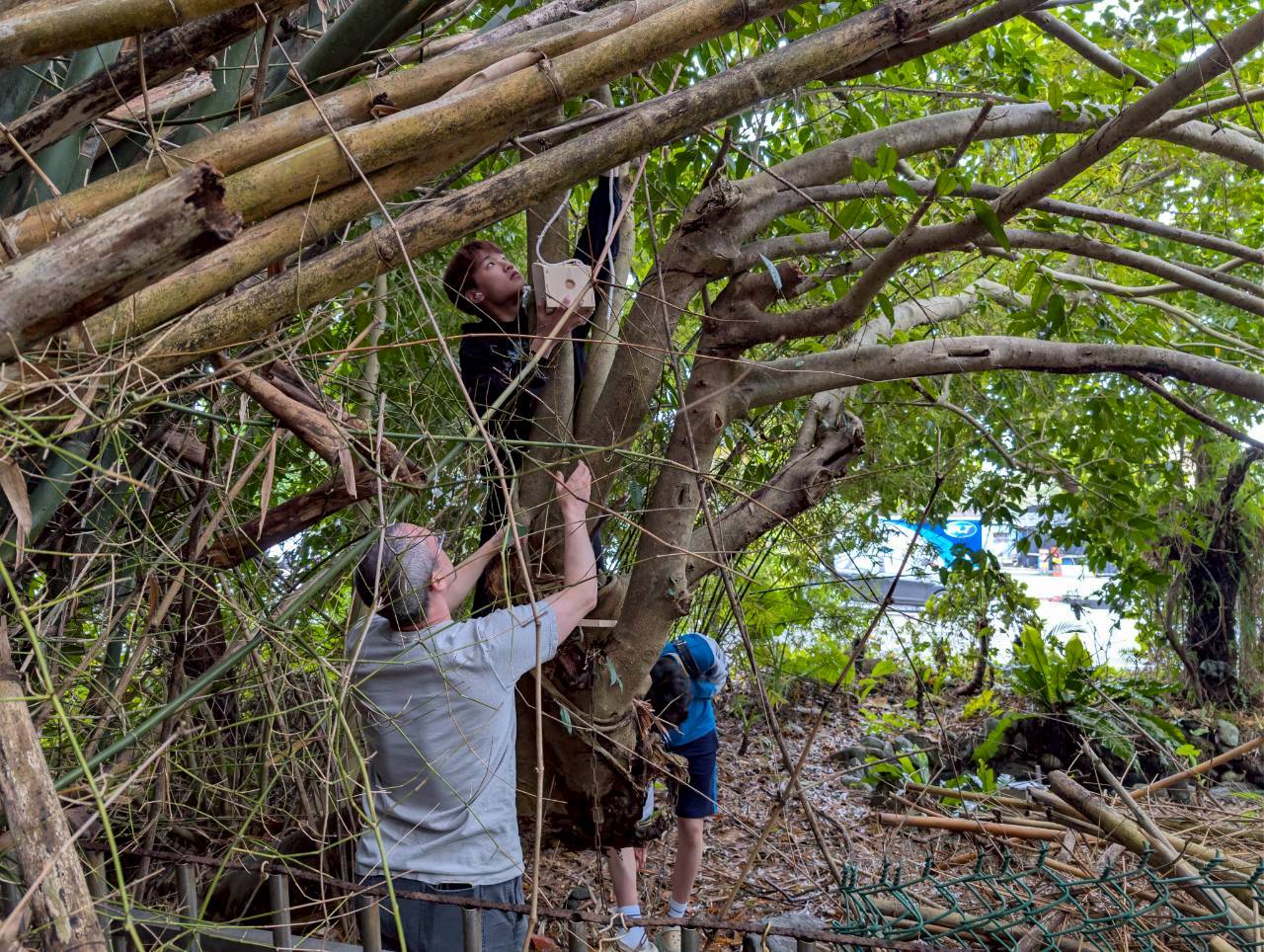
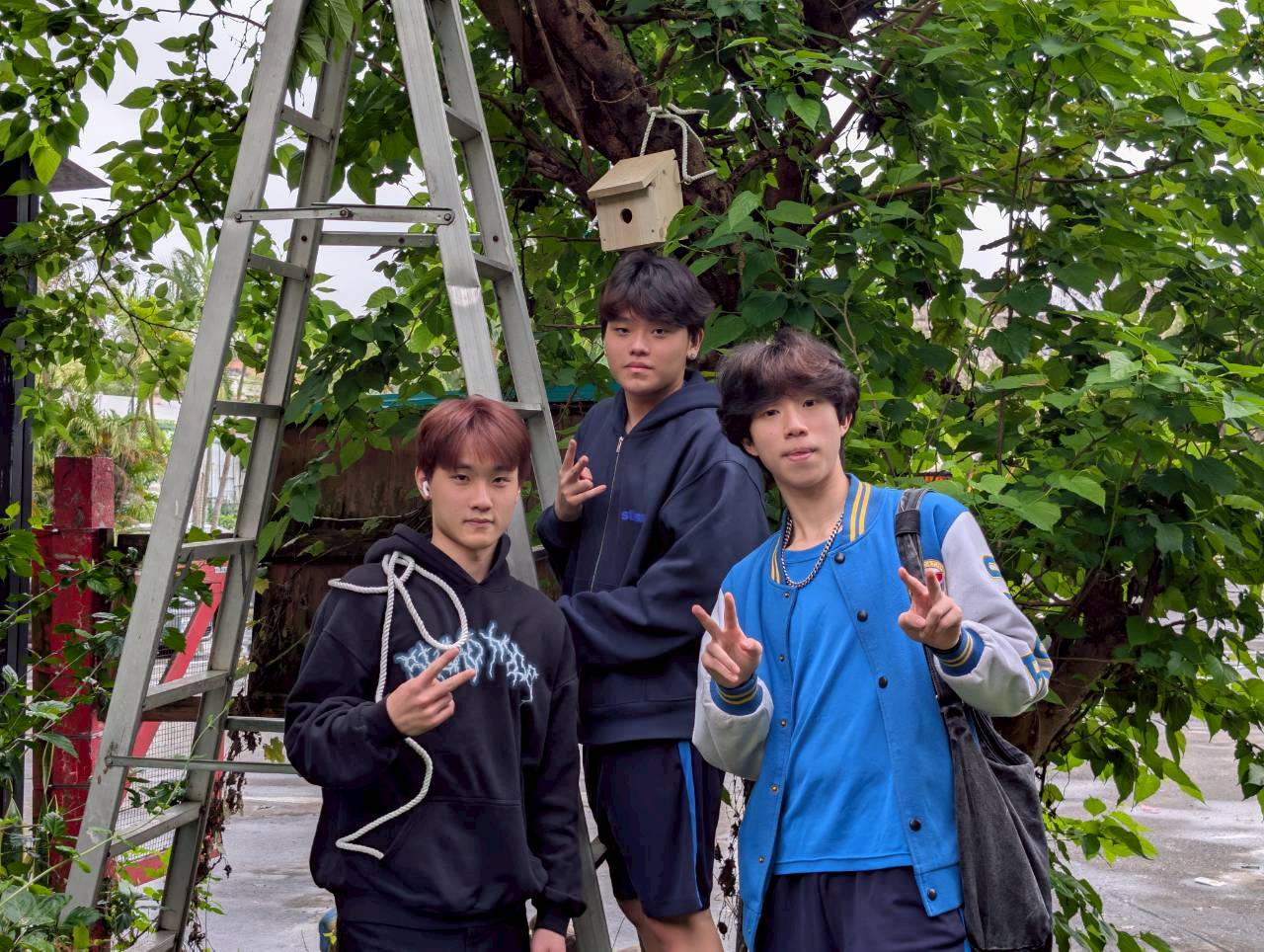
After completing the birdhouses, students carefully discussed the campus environment, ed suitable locations for installation, and continued observing what happened afterward.
To their delight, small birds eventually began nesting inside the birdhouses.
For the students, this was much more than a completed project—it became a meaningful moment of learning.
They discovered that careful observation could inspire ideas; ideas could be transformed into action; and their actions could make a real difference in the world around them.
This kind of experience cannot easily be replaced by simply reading textbooks or memorizing answers in a traditional classroom.
At UEIS, we hope our students leave with more than knowledge—we hope they leave with the ability to face the future.
We encourage our students to ask questions, embrace challenges, and accept failure as part of the learning process, because every revision, every collaboration, and every new beginning becomes an opportunity for growth.
As the world continues to change, the abilities that will truly carry children forward are not AI itself, but their capacity to think independently, solve problems, collaborate with others, and remain lifelong learners.
This is the purpose behind UEIS's long-standing commitment to Project-Based Learning, and it is the most valuable gift we hope to give every student as they prepare for the future.