

SCHOOL LIFESCHOOL LIFE
In traditional classroom settings, knowledge is often presented as a collection of neat, polished answers, where students become accustomed to applying logic within highly predictable environments. Yet the real world is rarely as orderly as a worksheet with pre-drawn boxes. The abilities that will ultimately define a student's future success are not built solely through the accumulation of academic knowledge, but through their capacity to observe, make sound judgments, and adapt effectively when faced with uncertainty, complexity, and constant change.
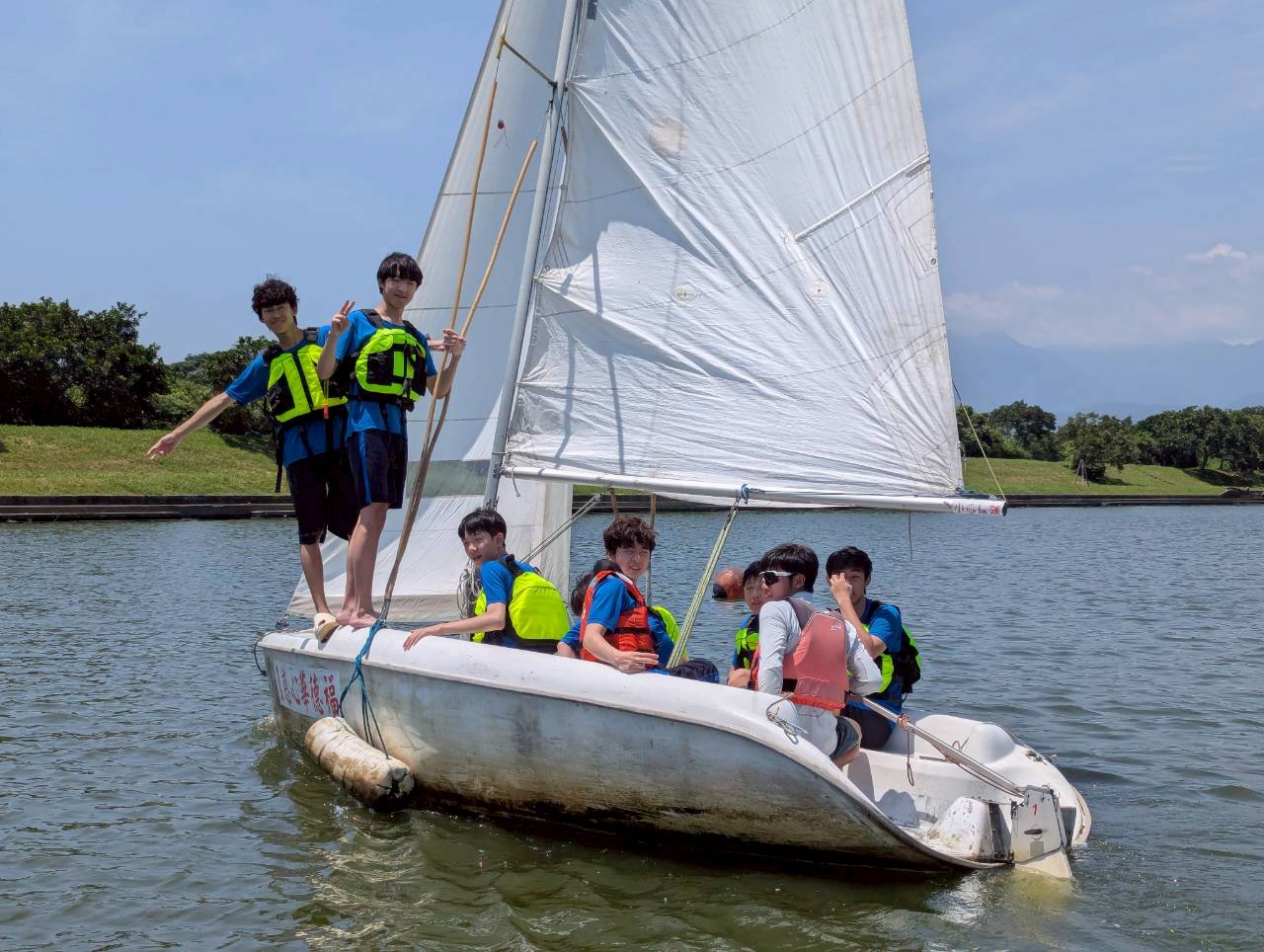
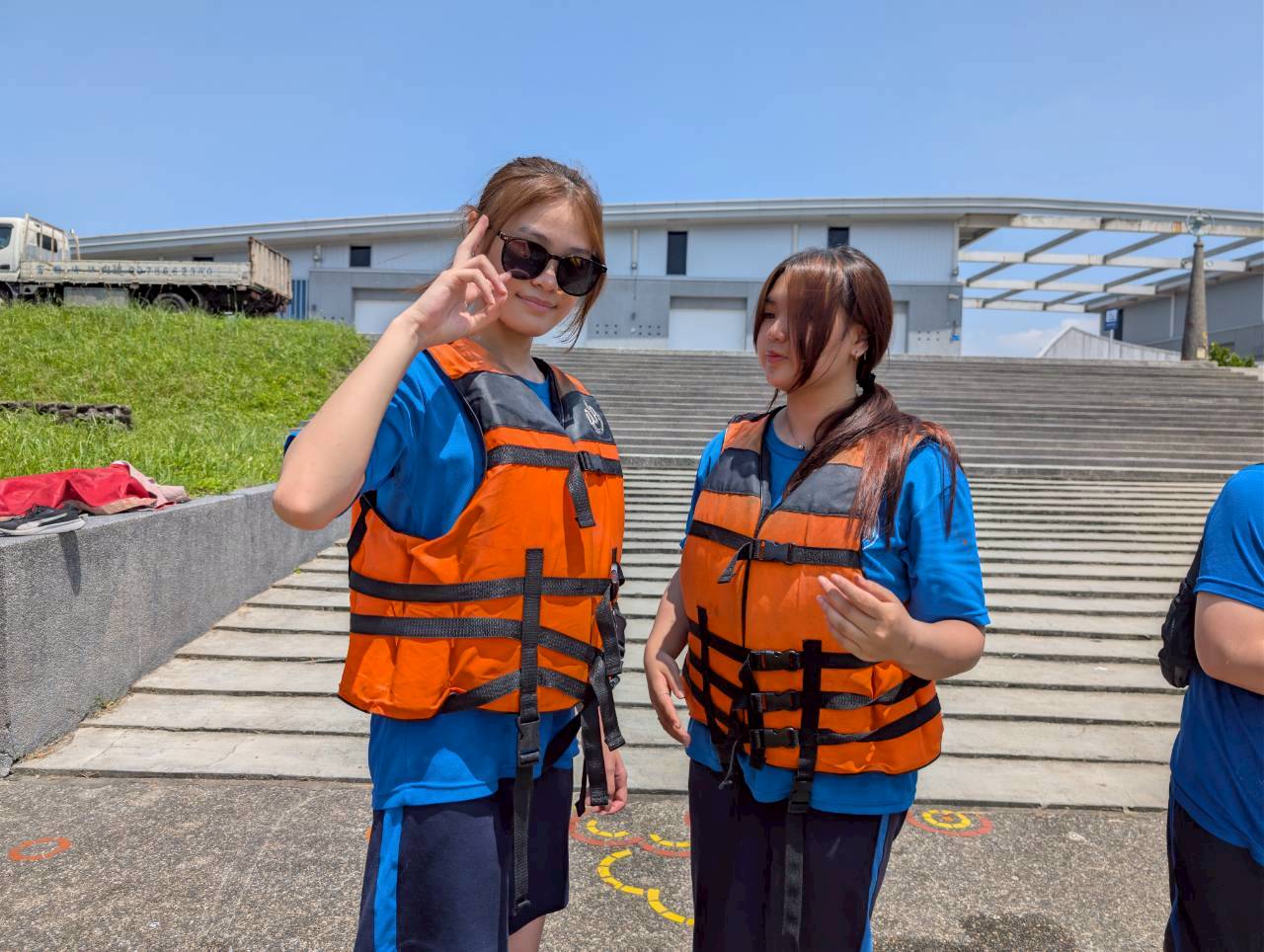
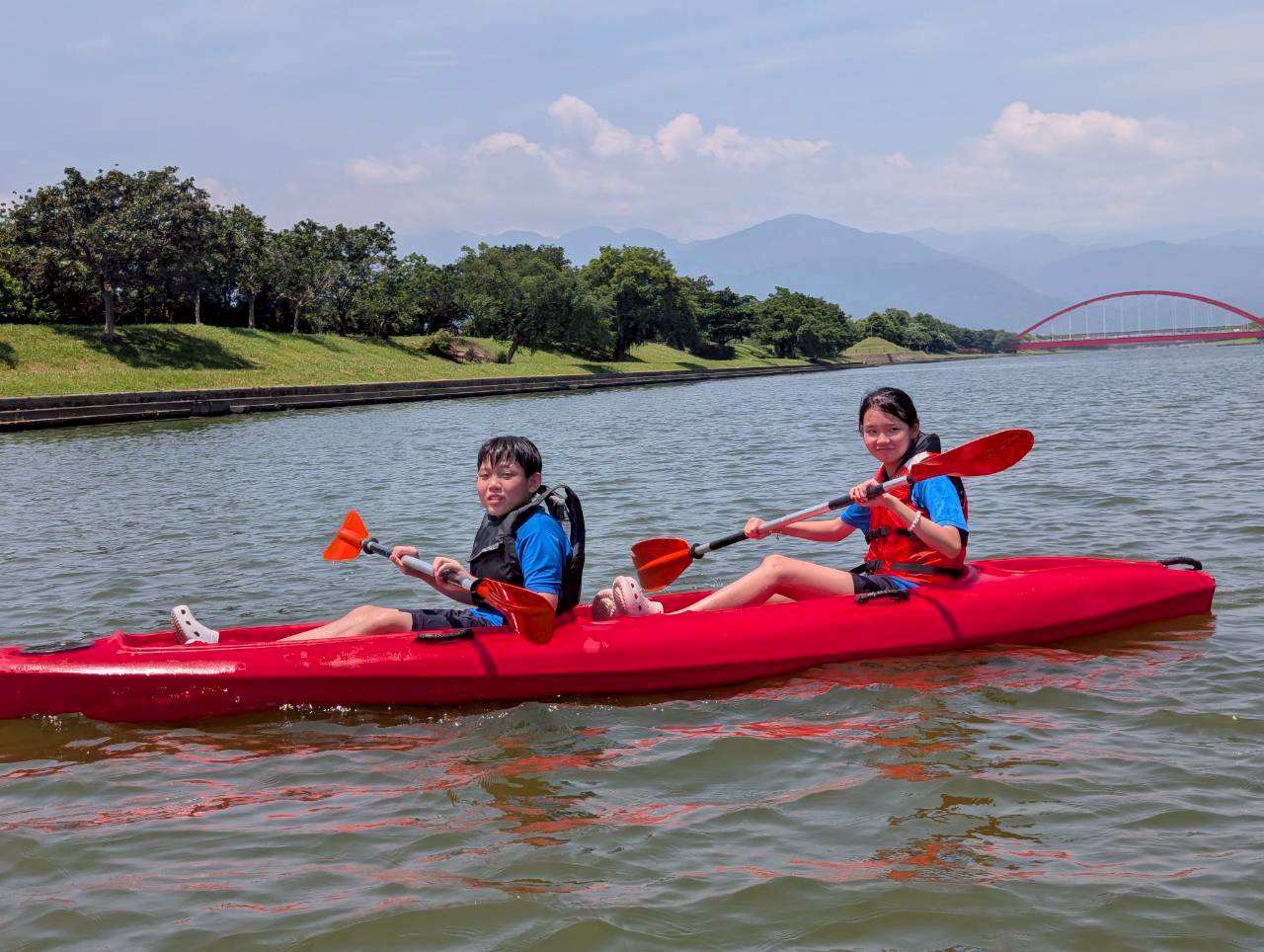
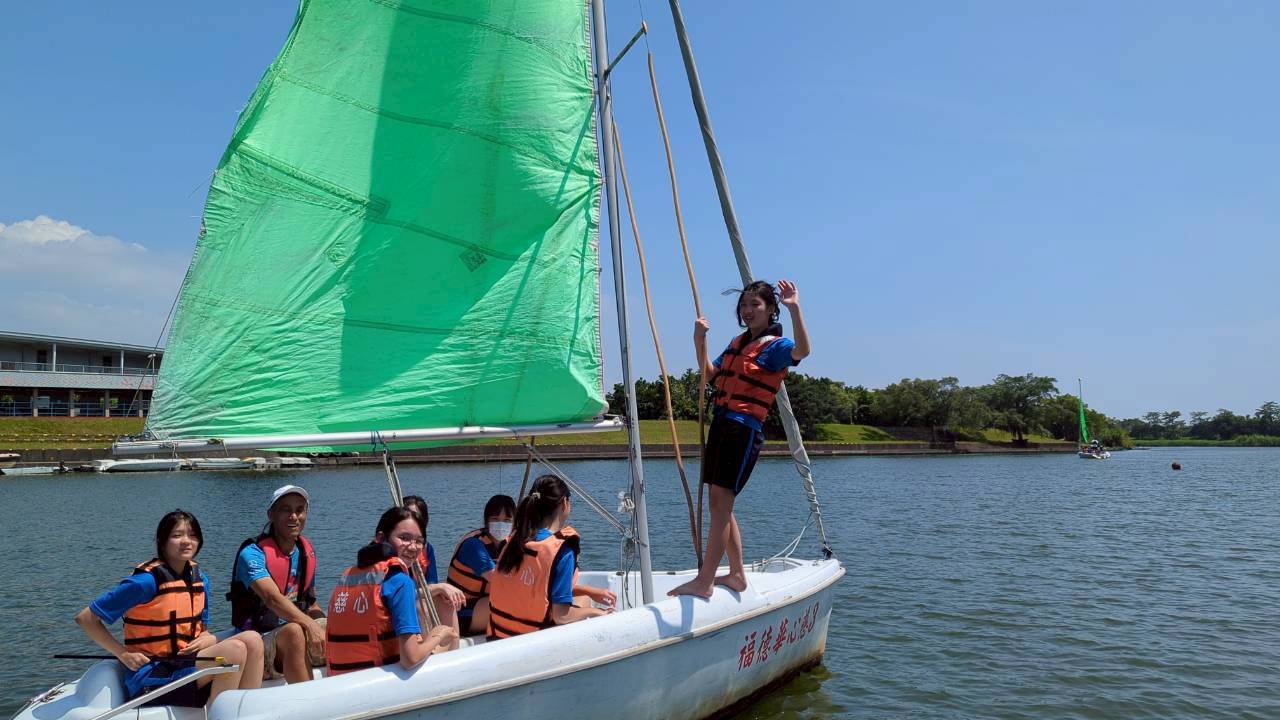
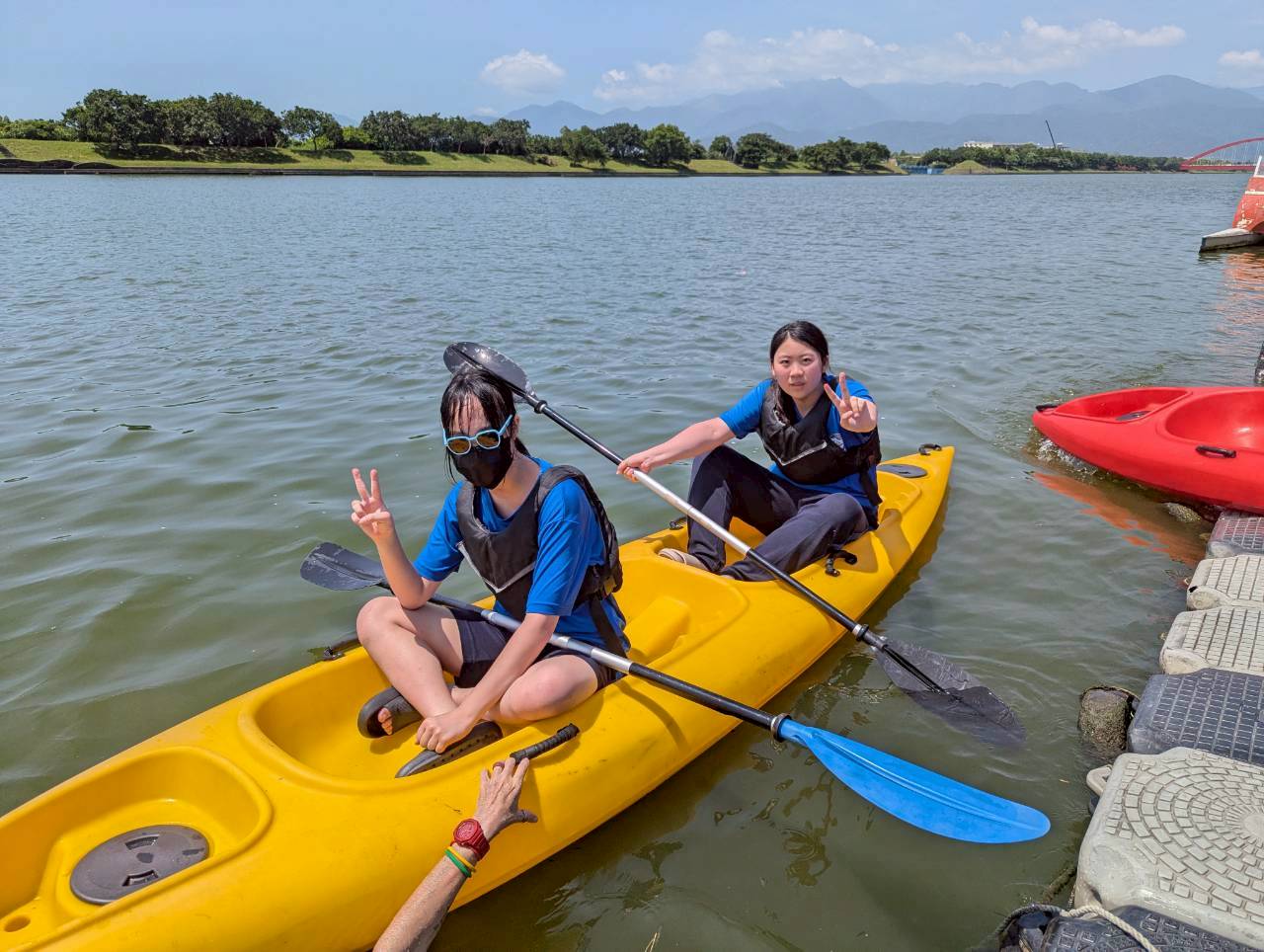
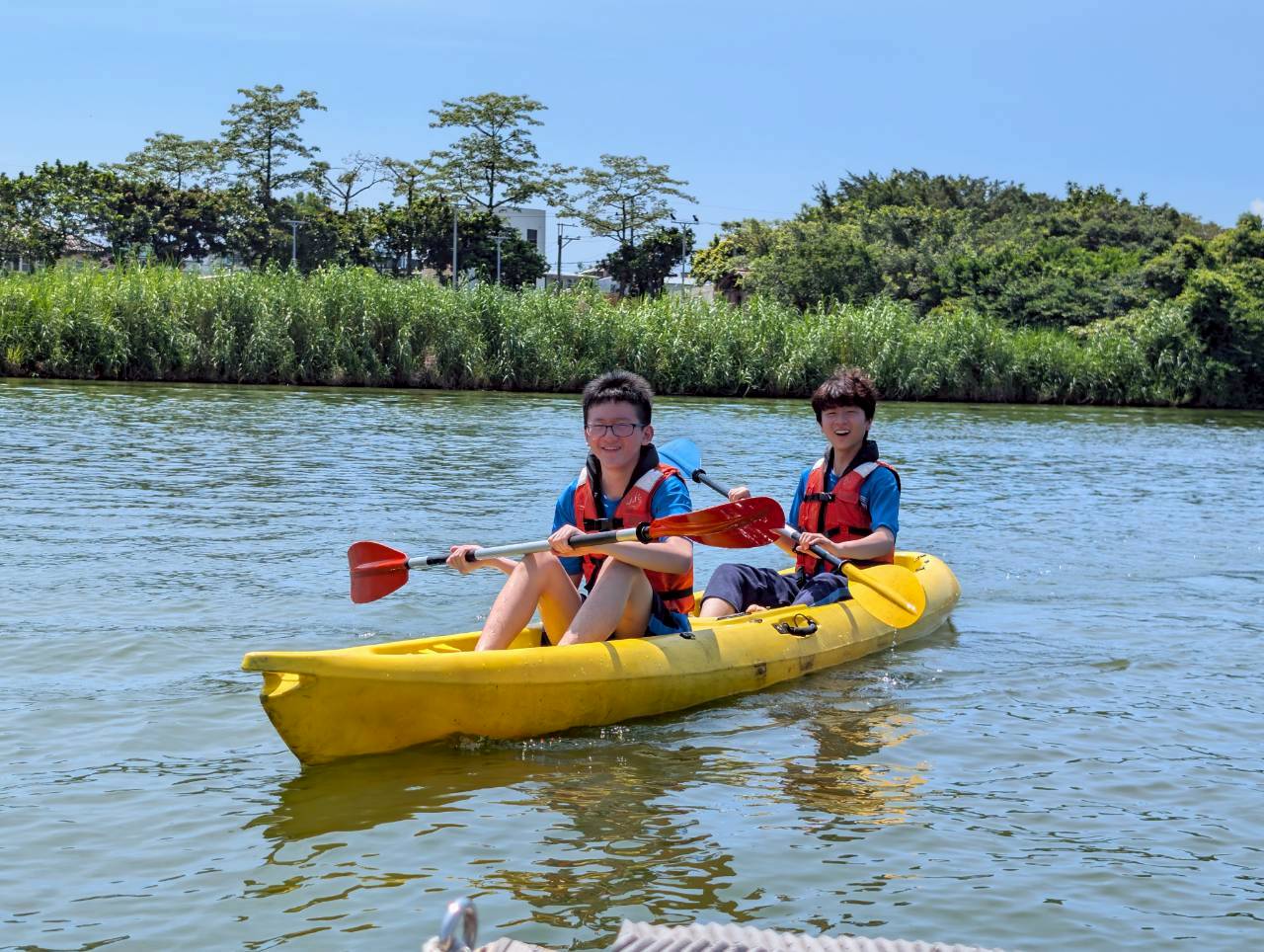
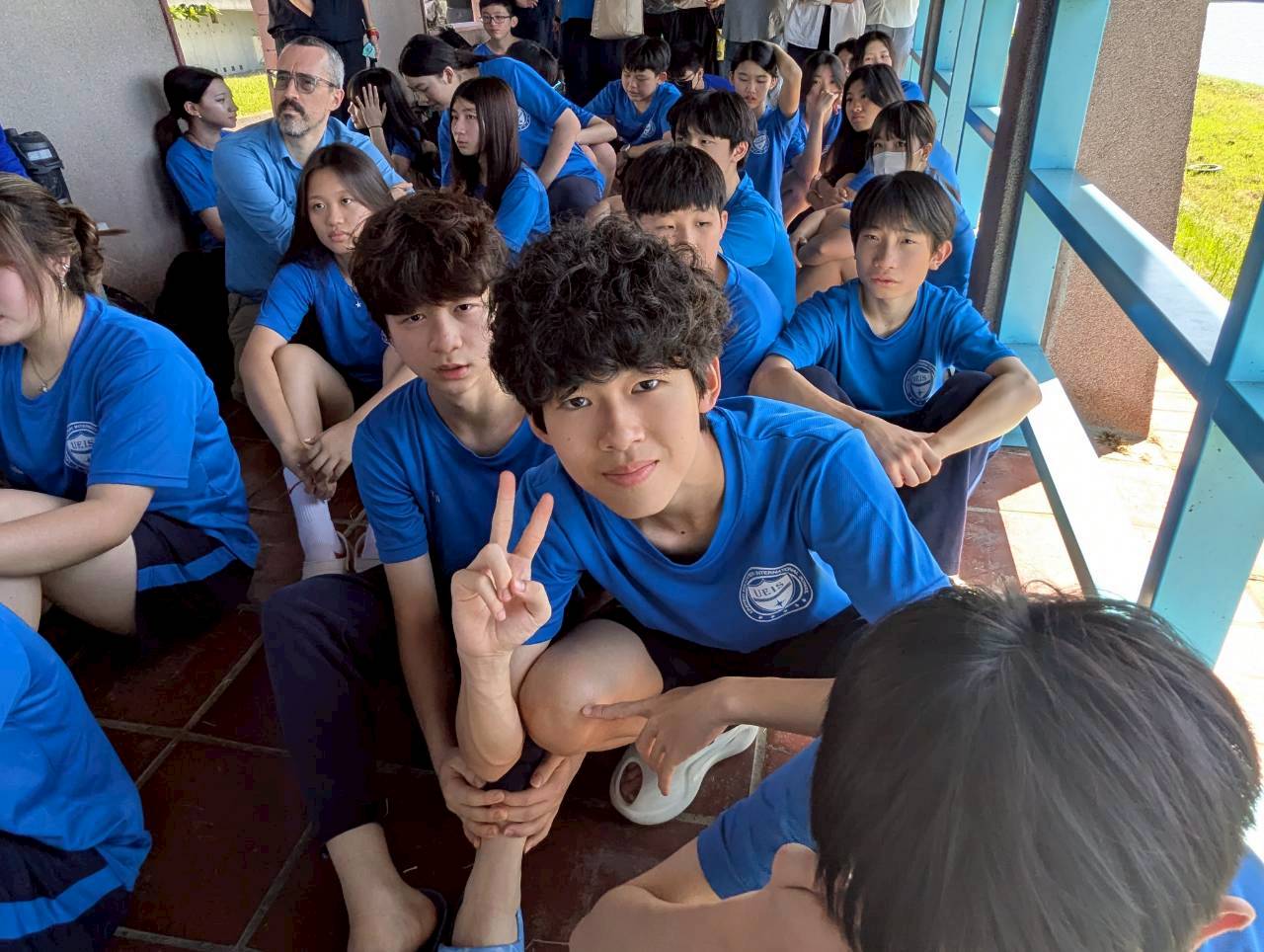
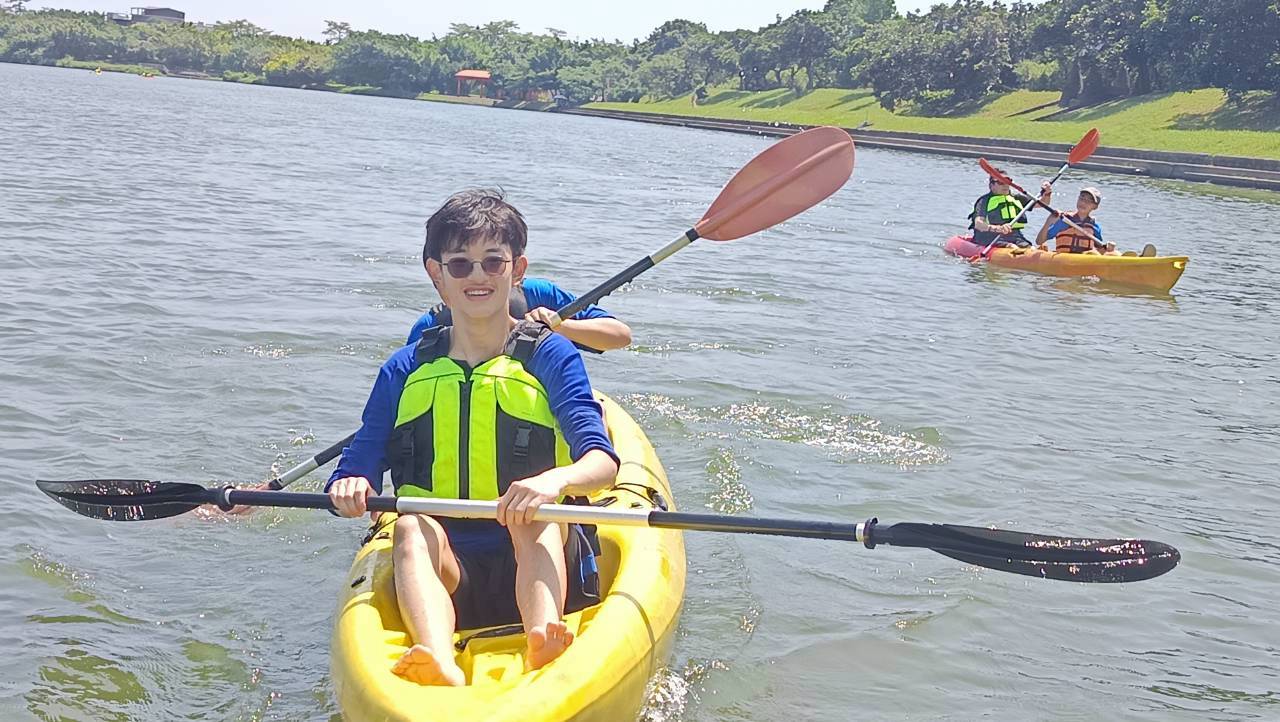
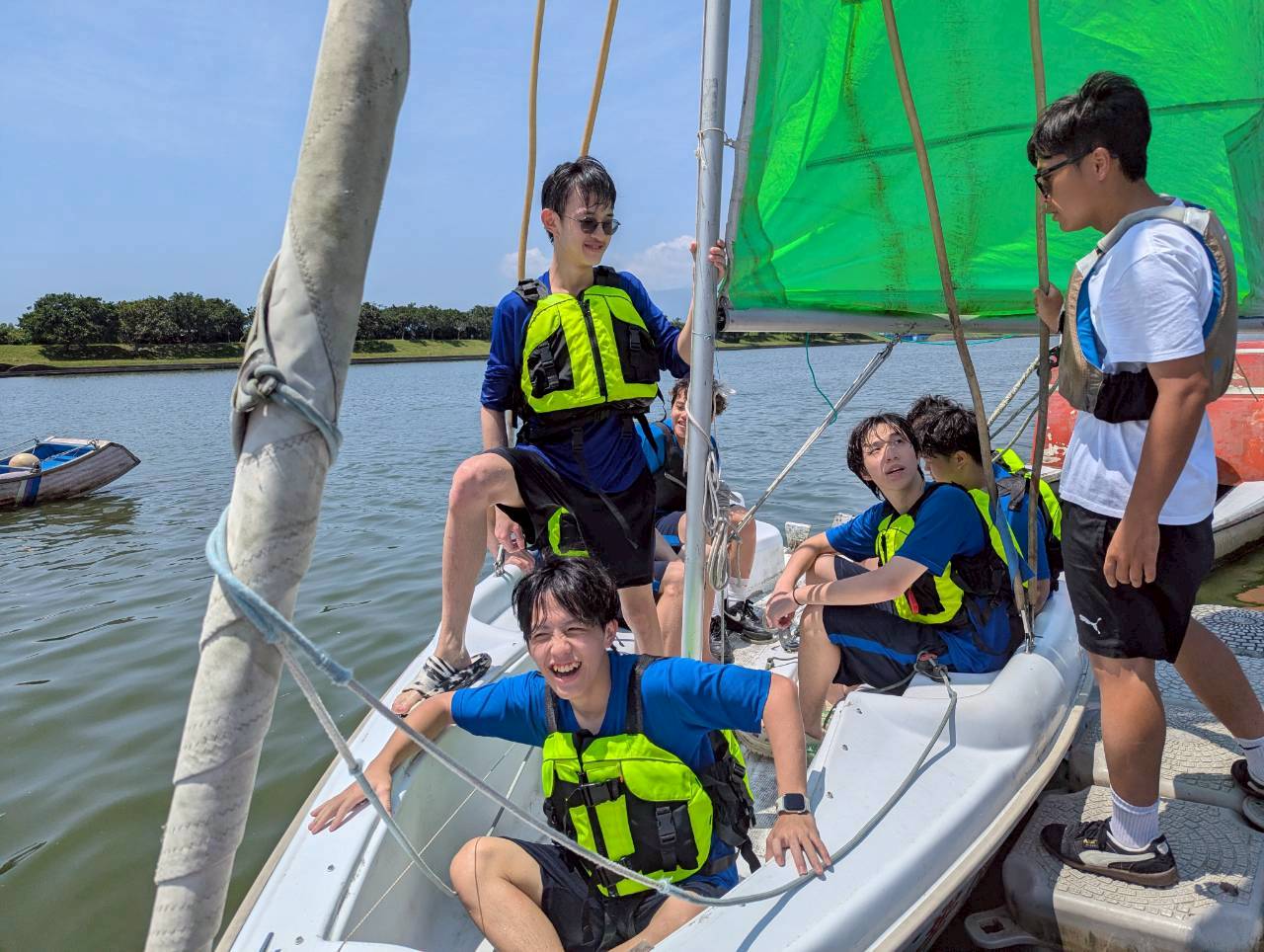
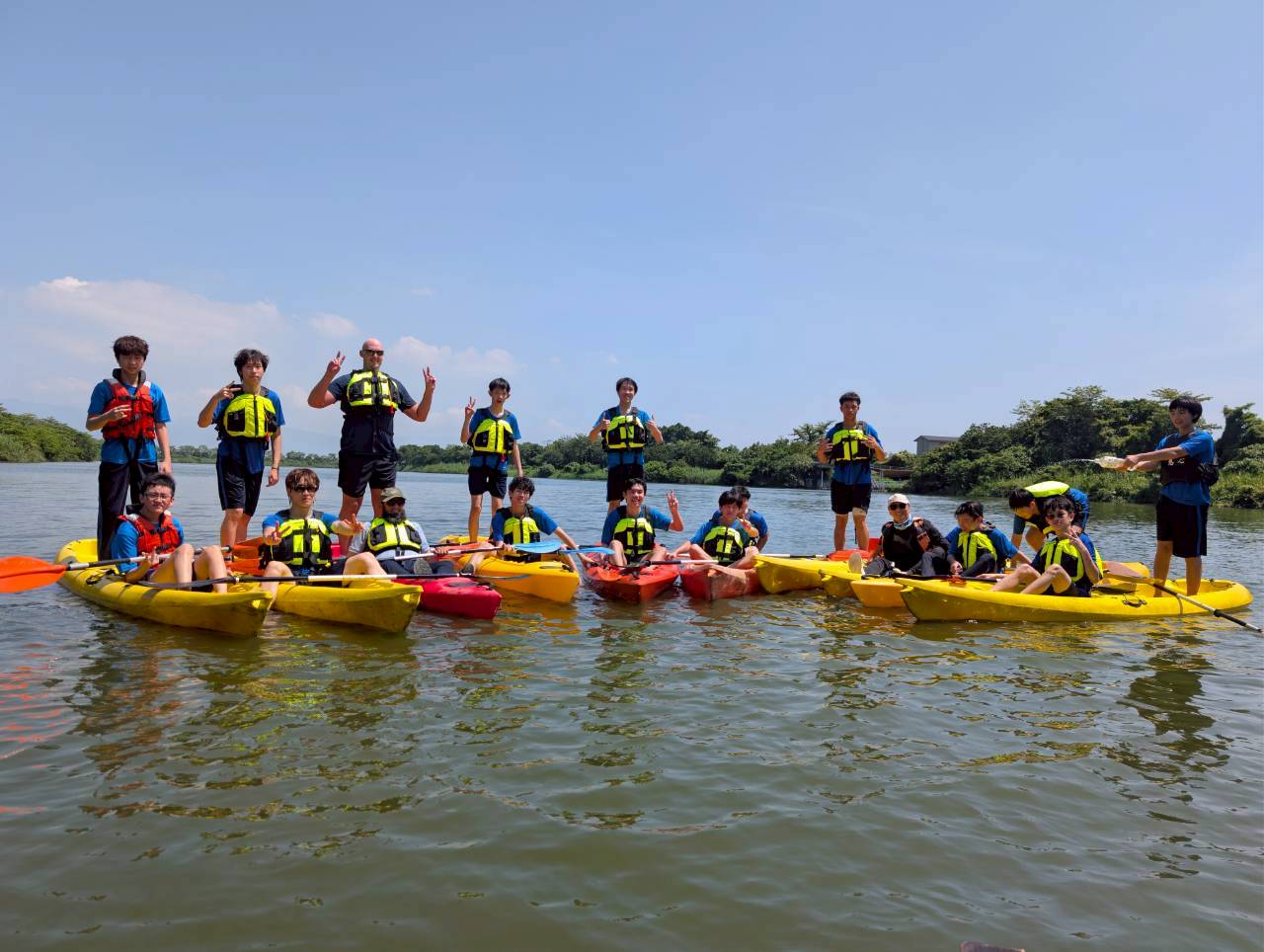
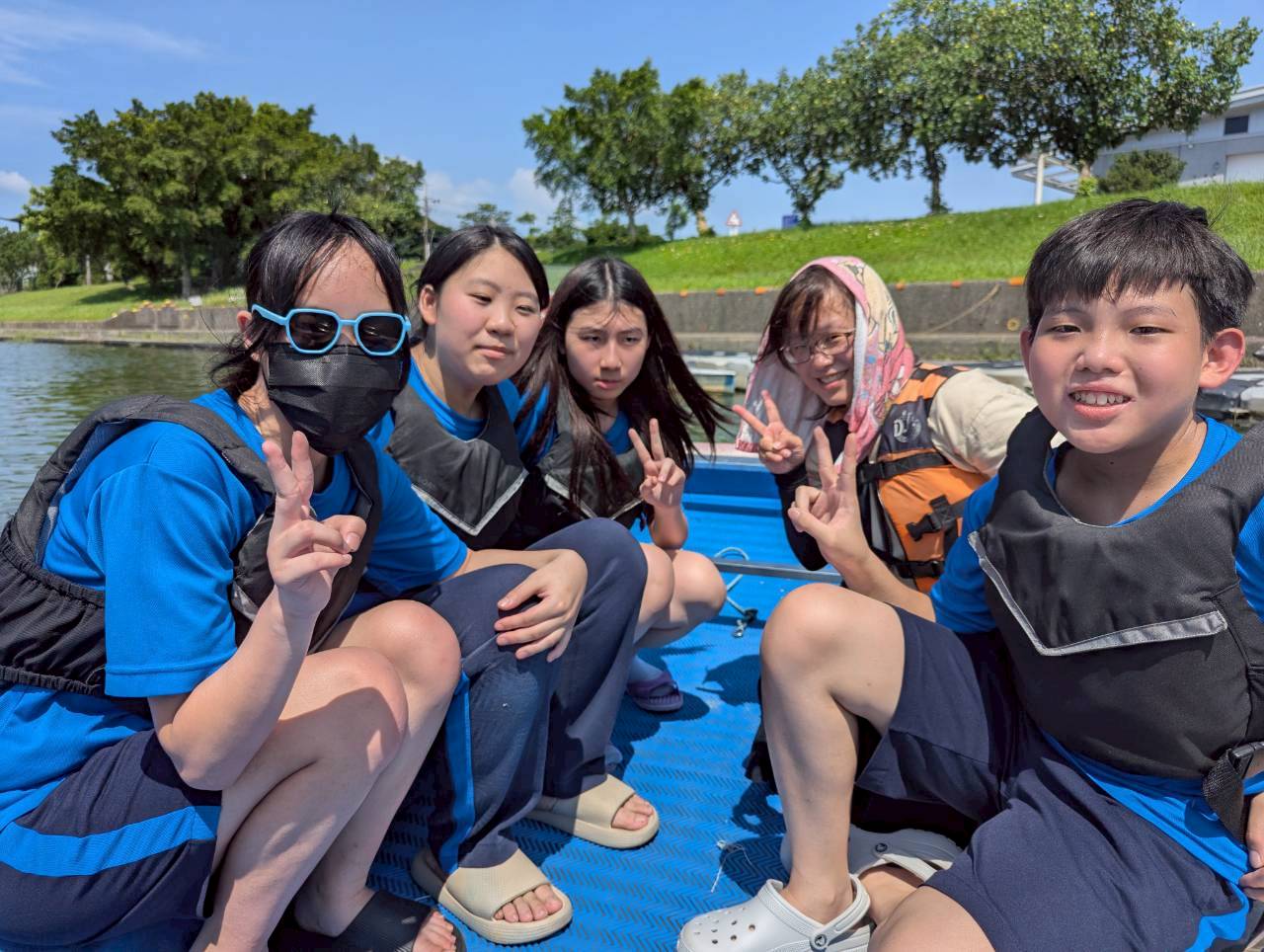
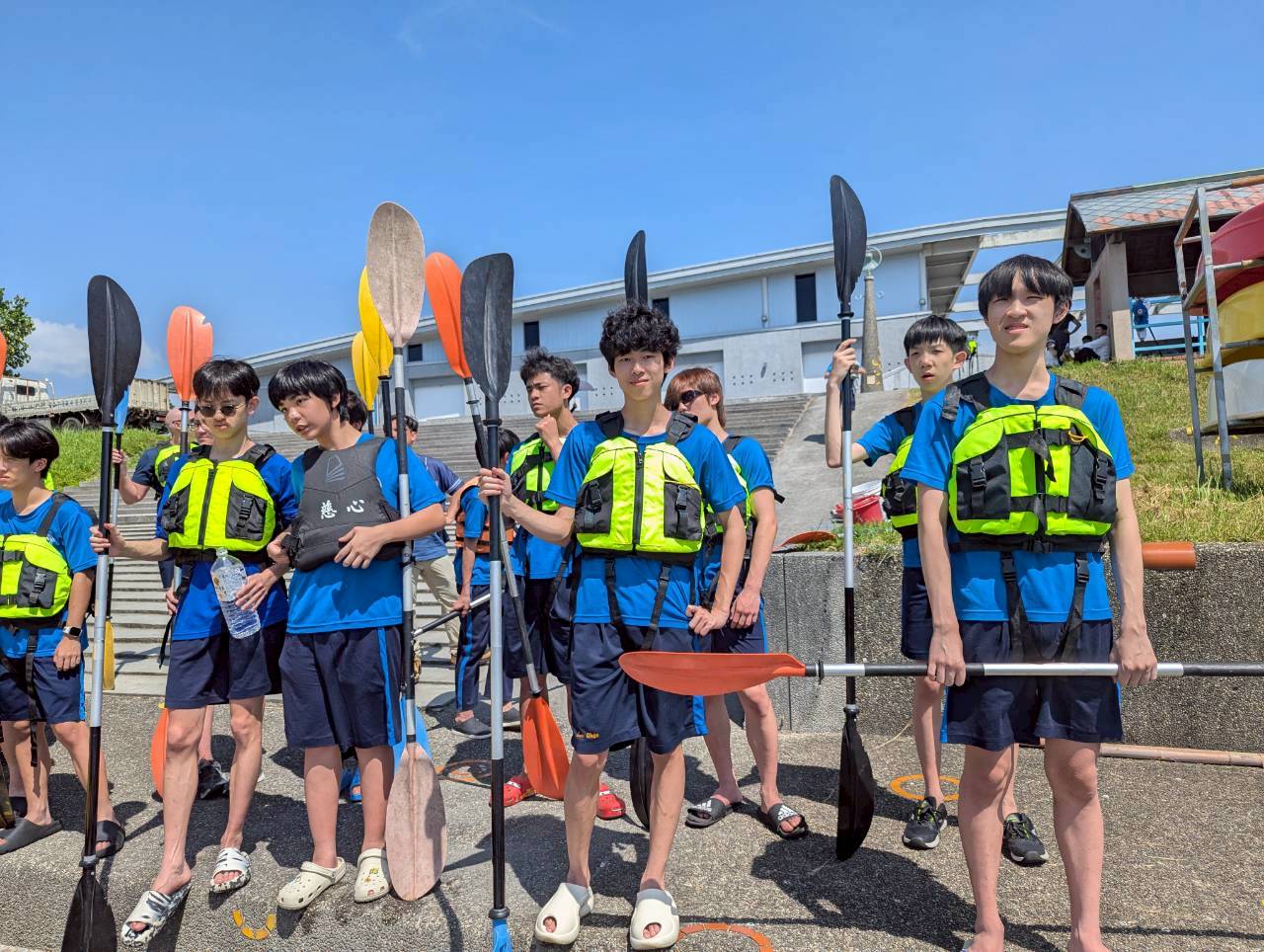
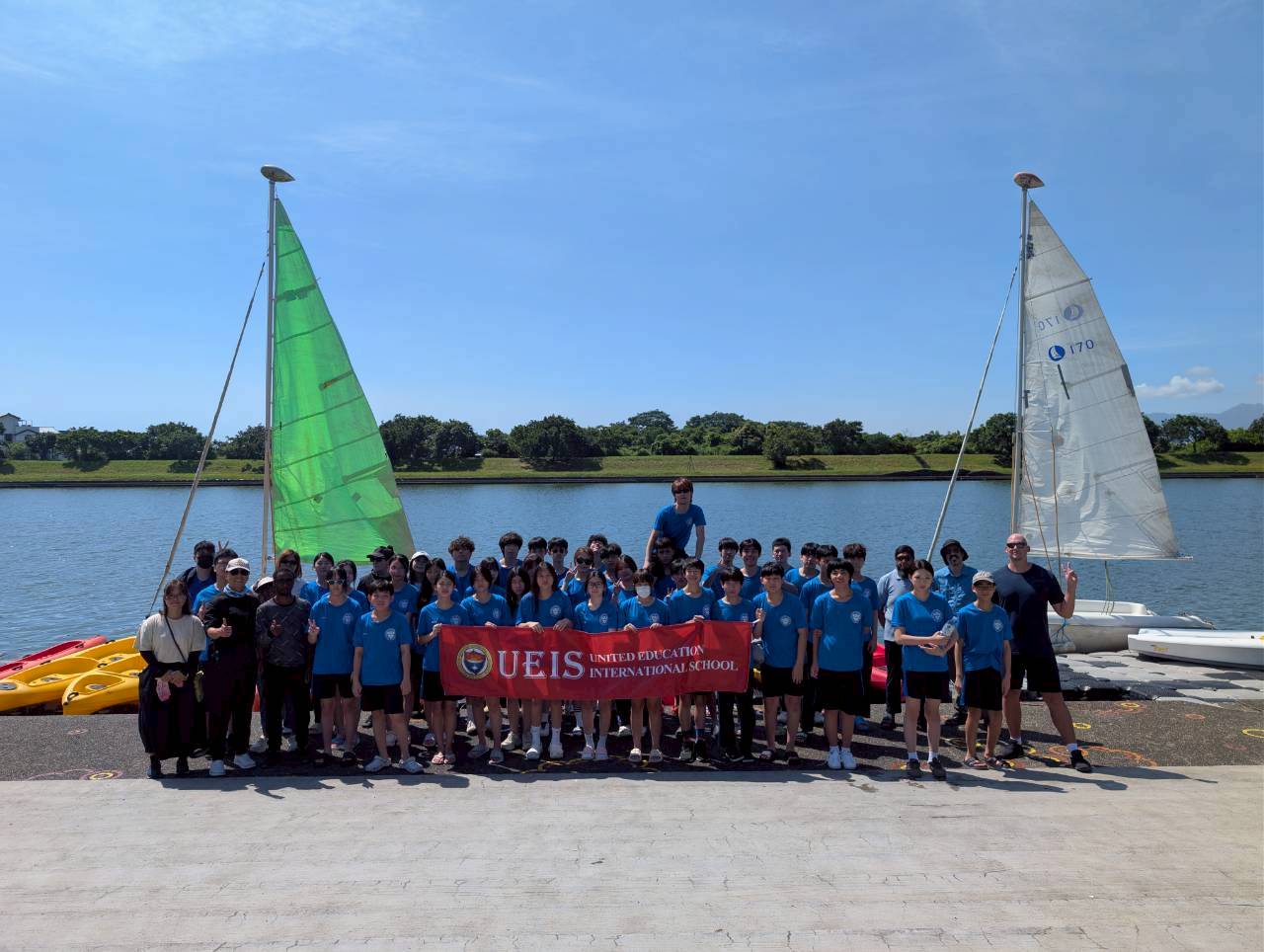
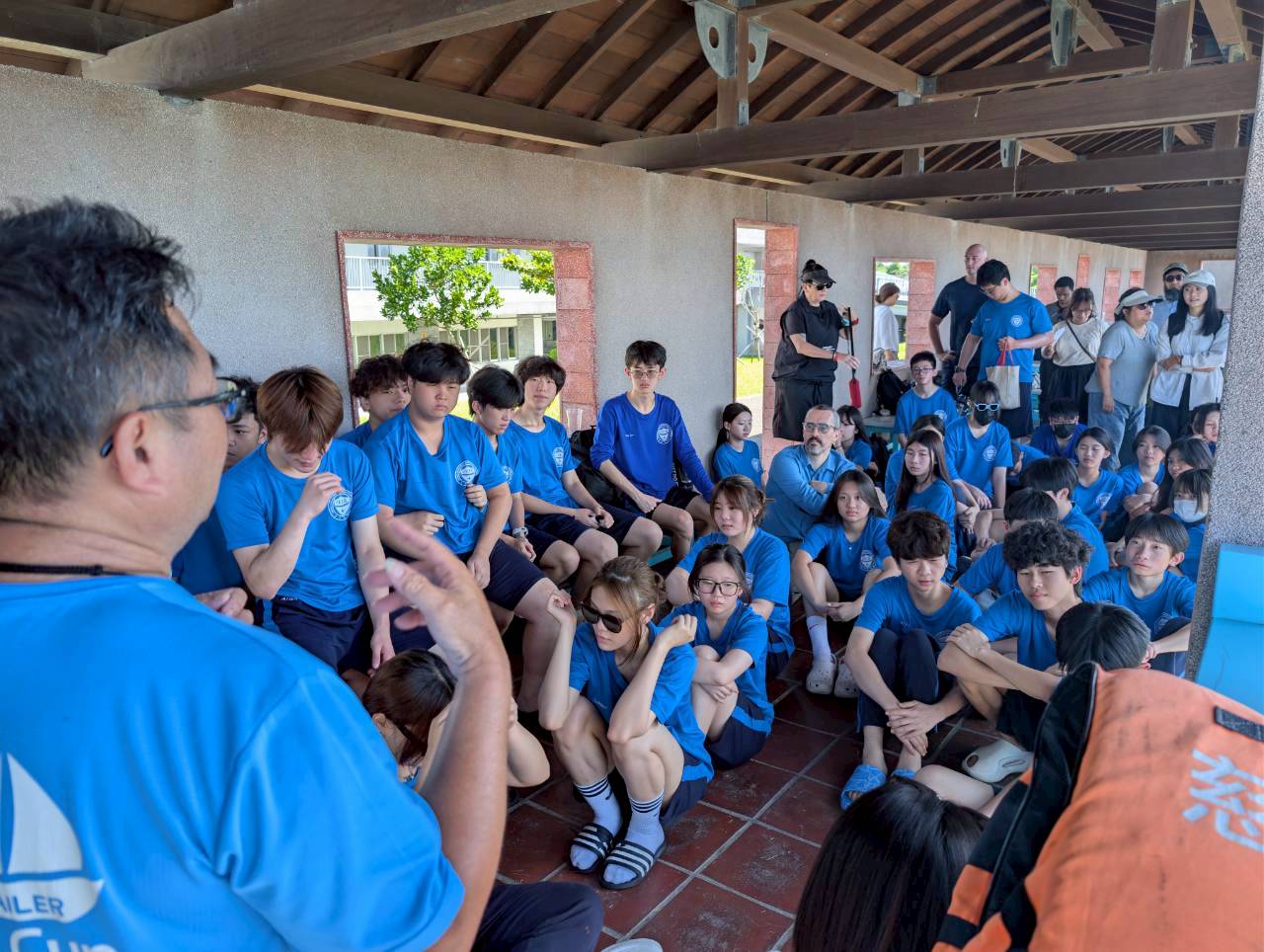
United Education International School (UEIS) recently led students to the Dongshan River Water Sports Training Center in Yilan for an immersive water-based learning experience featuring both sailing and kayaking. As educators, our primary purpose in designing this program was not to train future Olympic athletes, but to provide students with meaningful hands-on experiences through which they could learn to interact with wind, water, and their teammates. More importantly, these physical experiences help students develop the essential soft skills and adaptive mindsets needed to navigate future challenges in life.
The American educational ecosystem places immense value on holistic development. A compelling application for top-tier universities must clearly demonstrate that a student's intellectual and personal path has been built through progressive, intentional accumulation rather than a collection of last-minute activities. We understand that when a student dabbles superficially in everything without a central thread, they risk entering their critical high school years in a state of unfocused overwhelm. By introducing what appears to be a simple outdoor activity—but is in reality an intensive cognitive challenge—we guide our middle and high school students to discover a genuine sense of direction, moving from scattered exploration toward highly strategic focus.
When approaching kayaking for the first time, many students reflexively rely on the linear cause-and-effect thinking common in exam-oriented classrooms—the rigid assumption that if they apply a certain amount of physical effort, they will reliably achieve a direct result. Bound by this mechanical mindset, they often fall into the trap of brute force, believing that paddling harder will naturally make them move faster.
However, according to the real-time observations of our instructing faculty on the banks of the Dongshan River, those students who rely purely on blind exertion are quickly humbled by the unforgiving physics of water currents and wind resistance. Nature refuses to follow predictable classroom guidelines. When a kayak begins spinning uncontrollably in circles or drifting far off its intended course, the deep-seated anxiety typically born from rigid academic testing cultures rapidly rises to the surface.
Our faculty noted that it is precisely within this moment of frustration that a student's capacity for profound self-reflection is triggered. Once the habit of relying on raw force fails, students are forced to pause, rest their paddles, and truly look at their environment. They begin analyzing the patterns of the currents, measuring the resistance of the wind, and consciously synchronizing their strokes with the teammate sitting right beside them. This critical shift—moving from an unthinking manual laborer to an intentional, strategic thinker—is exactly the type of experiential learning curve and intellectual potential that international admissions officers look for when evaluating an applicant's background.
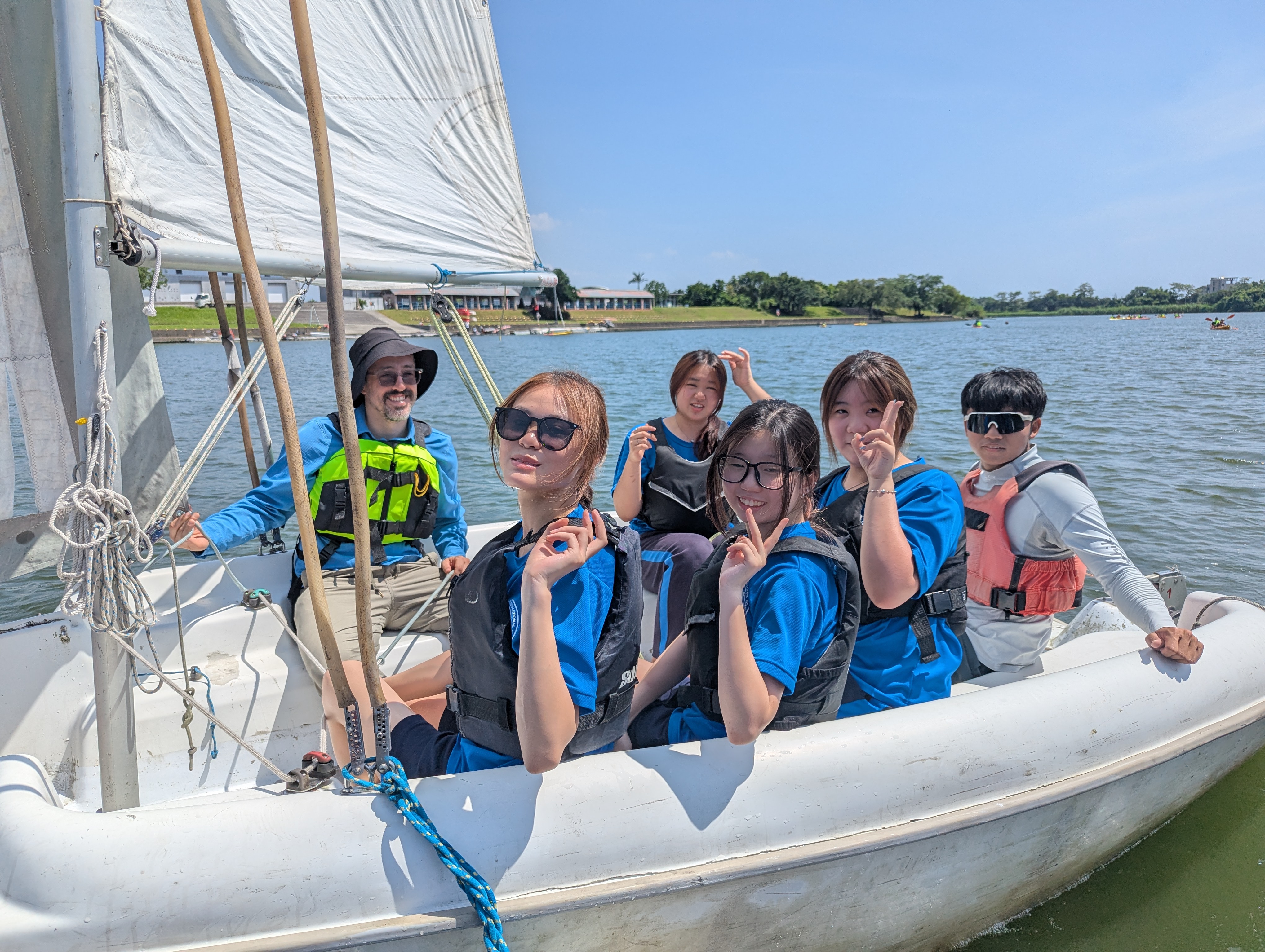
The subsequent sailing experience introduced students to an even deeper level of cognitive and strategic training. Out on a rapidly shifting body of water, you cannot command the direction of the wind to change; the only variable entirely within your control is how you choose to adjust your sails.
According to the real-time observations of our instructing faculty on the banks of the Dongshan River, managing a sailboat perfectly mirrors the authentic challenges that international students inevitably encounter along their higher education journeys. Many high-achieving students, when suddenly confronted with environmental constraints or unpredictable systemic barriers, experience acute anxiety driven by an over-engineered need for absolute perfection. Yet, as they worked to keep their vessels balanced on the river, our students experienced a vital truth: success is rarely achieved by blindly fighting against adverse conditions, but by thoroughly evaluating the situation, understanding external constraints, and actively turning environmental limits into practical opportunities.
This dynamic process of transforming environmental constraints into leverage is far more than a simple outdoor excursion; it is a foundational masterclass in cultural adaptability and psychological resilience. By continuously recalibrating their sails to harmonize with unpredictable crosswinds, students learn how to maintain absolute emotional stability amidst external chaos. This capacity to remain centered is a primary indicator of personal maturity—proving to ive universities that a student possesses the emotional and intellectual readiness to collaborate, communicate, and drive meaningful impact within a highly rigorous and diverse global campus community.
At UEIS, we firmly believe that true international education extends far beyond the passive transmission of academic data; it is about empowering students to think independently, learn proactively, and master problem-solving within authentic, real-world constraints. The moment a student realizes that strategic knowledge, precise technique, and environmental awareness matter infinitely more than sheer, unreflective effort, they solidify their true personal identity and core values.
Through these tailored, highly sequential experiential programs, we provide our students with much more than a collection of superficial lines on a resume. We equip them with an authentic vocabulary of resilience, personal breakthroughs, and lived stories built through overcoming genuine challenges—ensuring that every voyage they take on the water becomes a definitive lesson that extends far beyond the campus walls.