

SCHOOL LIFESCHOOL LIFE
The long and demanding process of applying to top universities abroad, most parents and students initially focus their attention and resources on GPA, standardized test scores (such as the SAT or ACT), and the quantity of extracurricular activities listed on a resume. However, it is a set of often underestimated yet highly influential “core soft skills” that can significantly shape final admissions decisions.
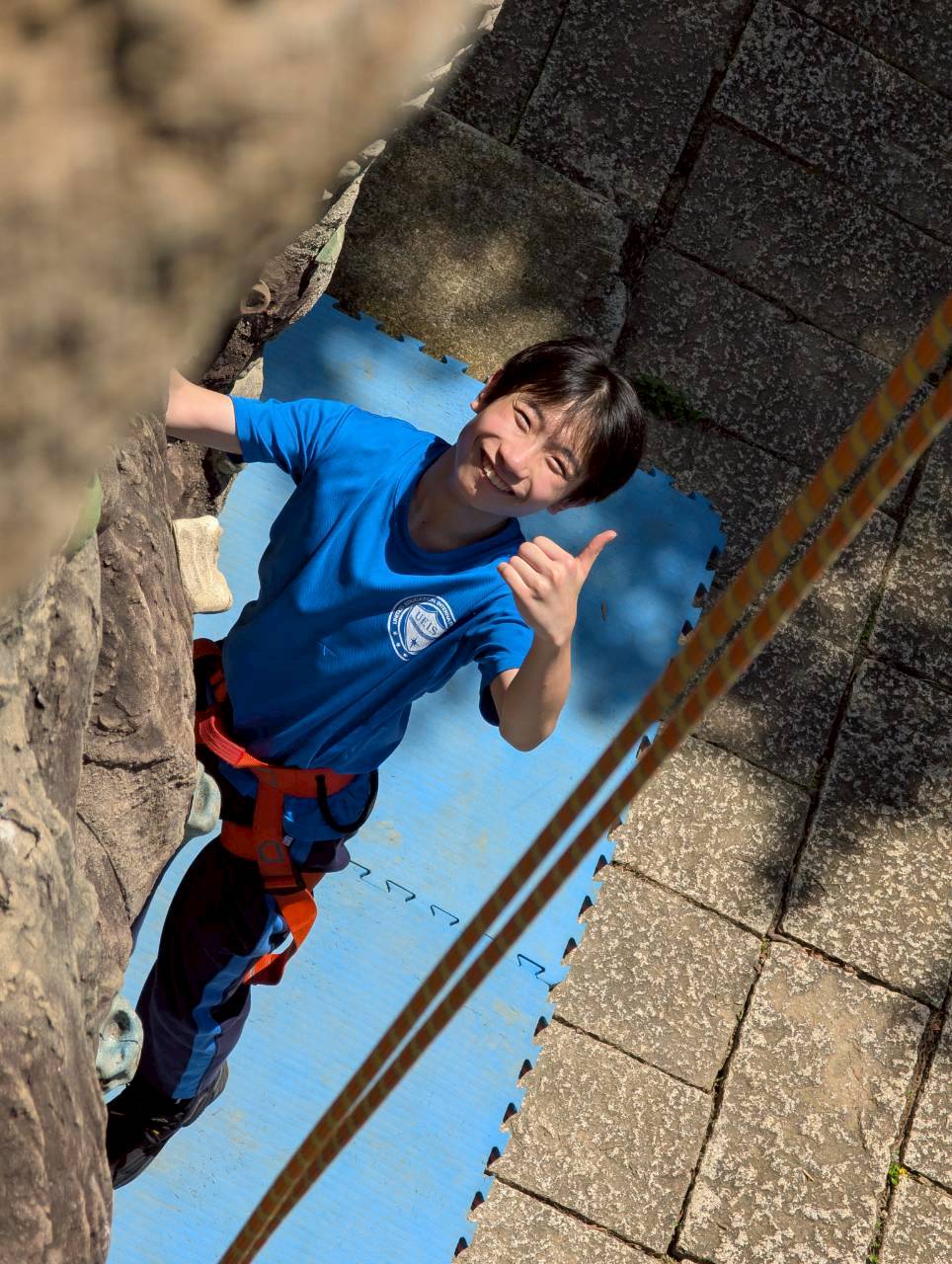
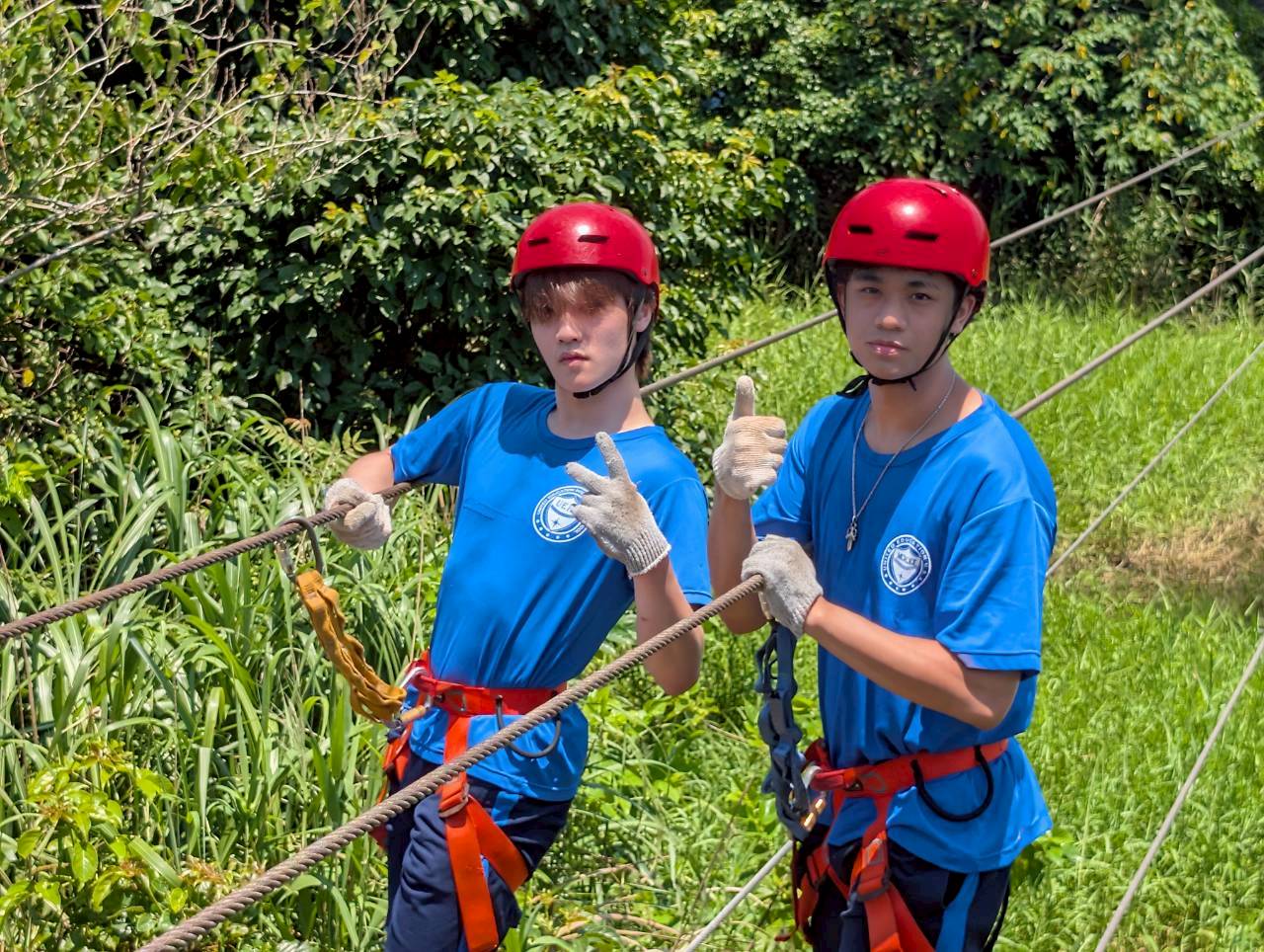
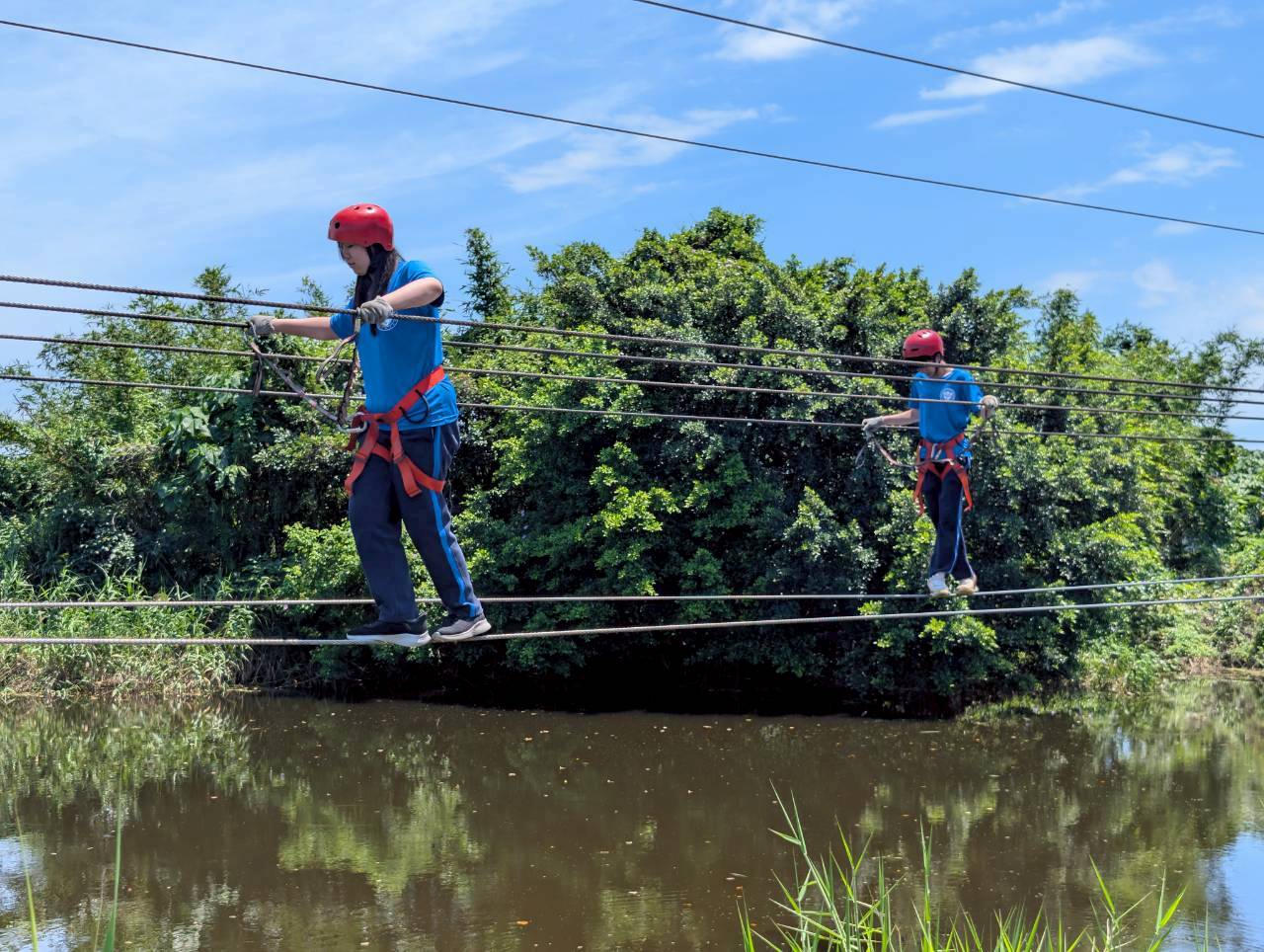
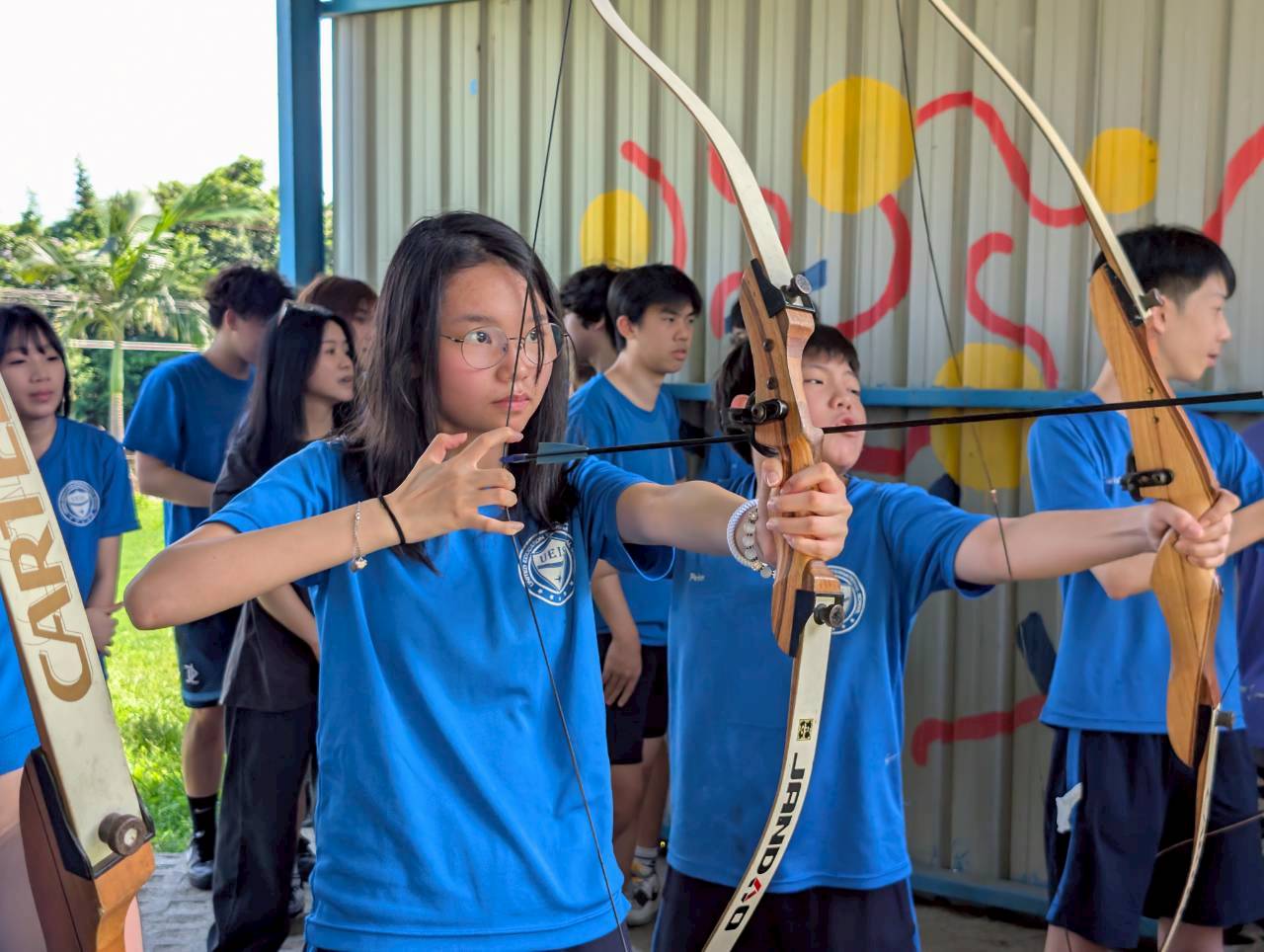
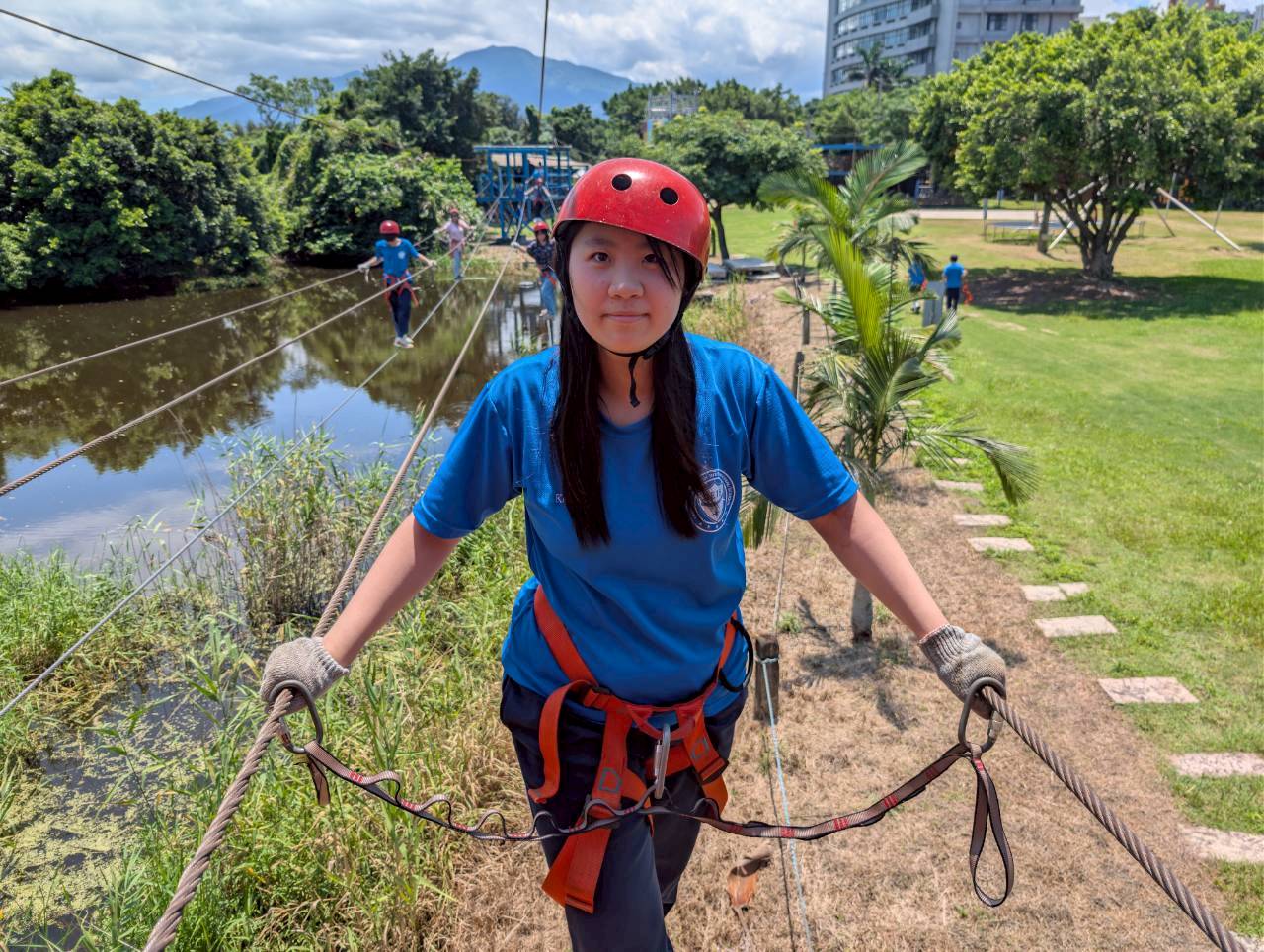
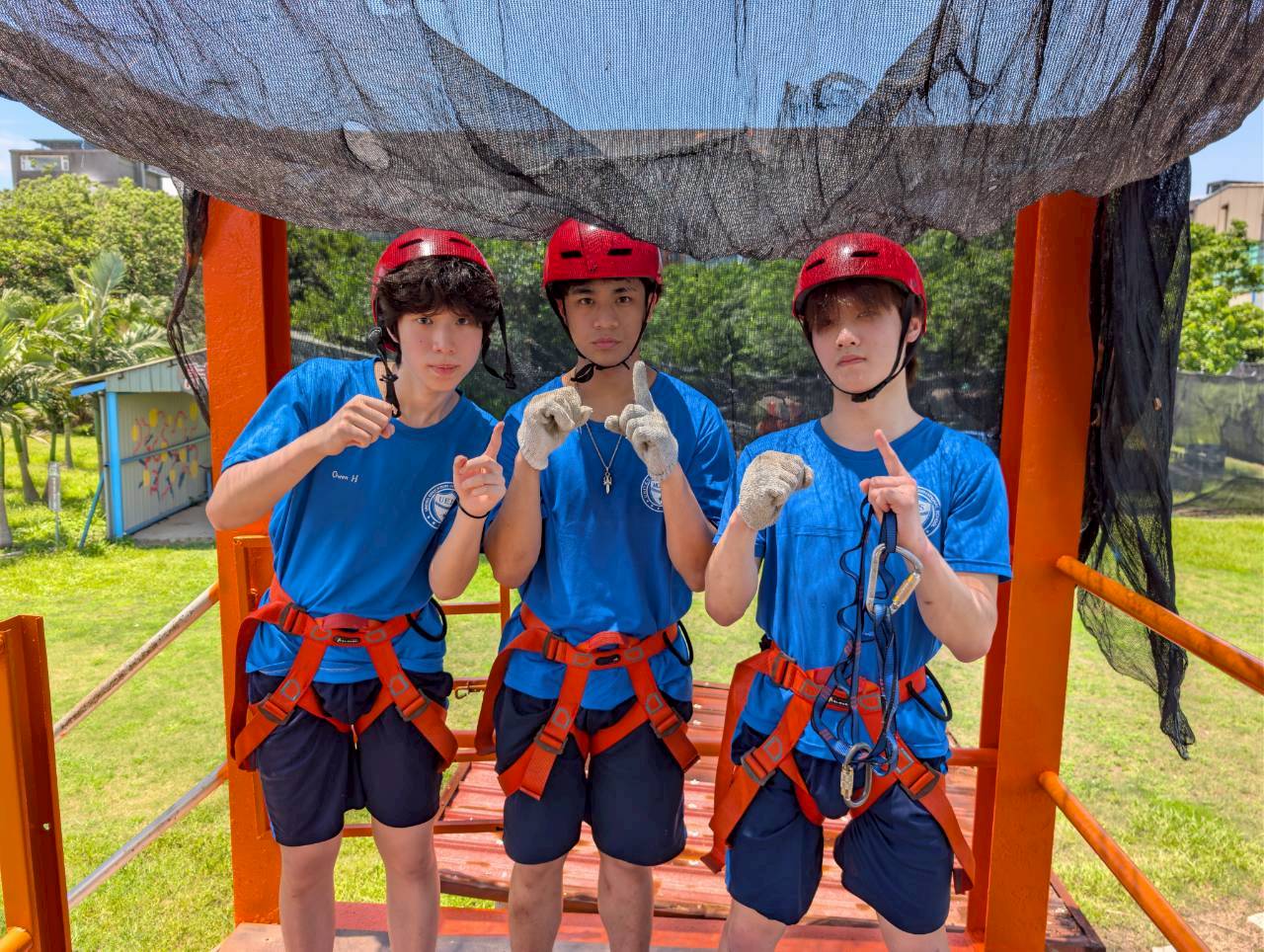
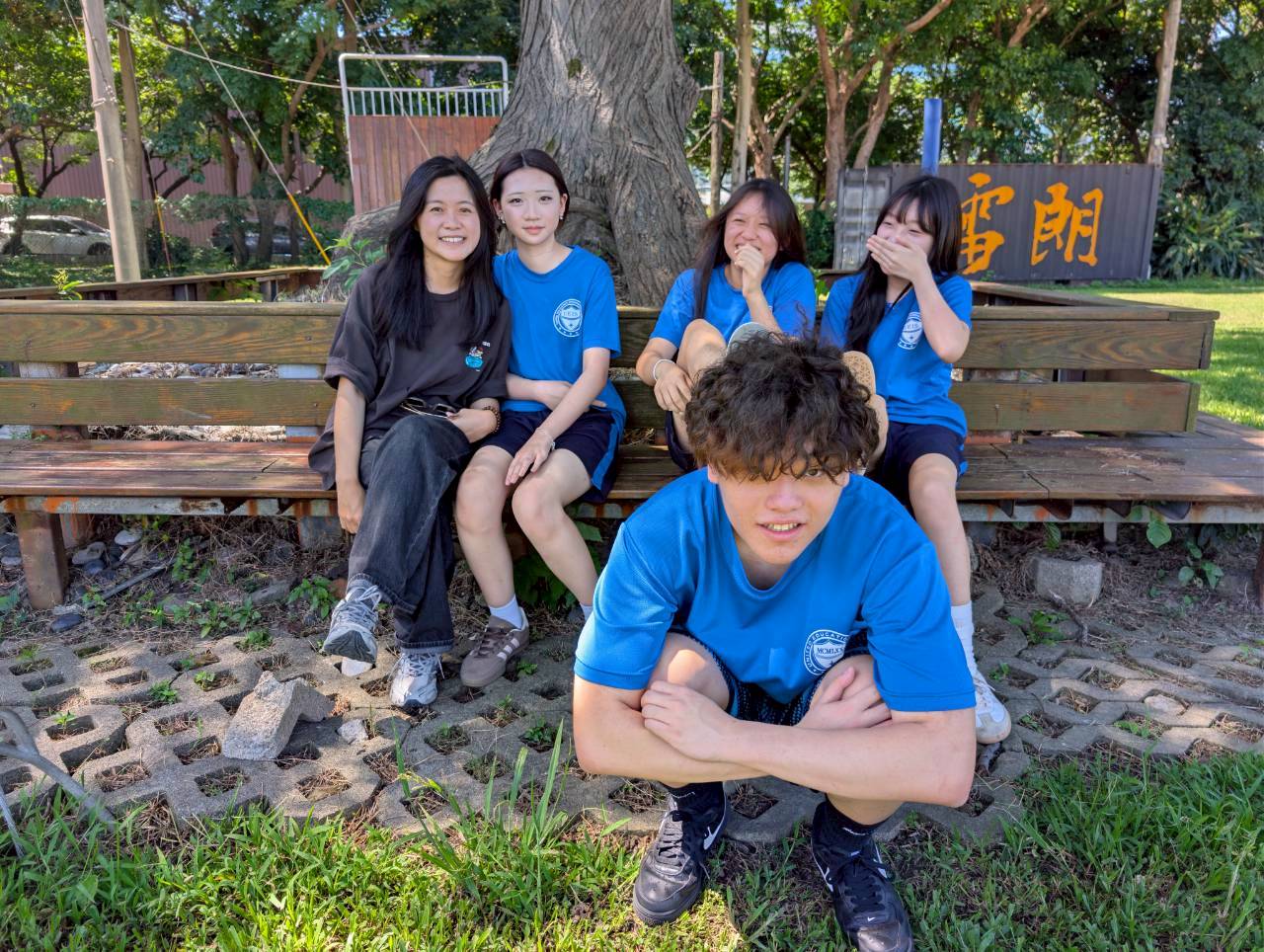
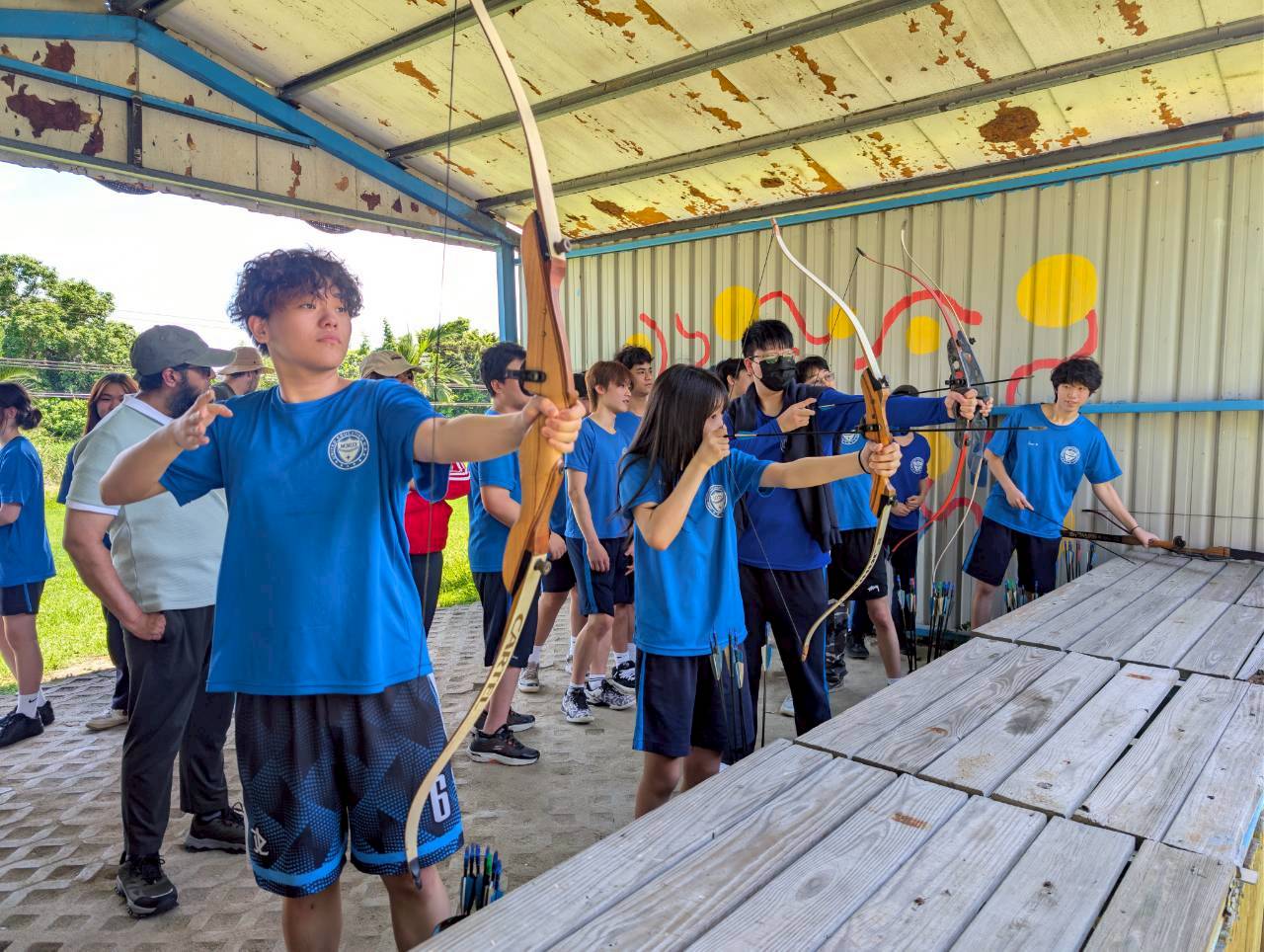
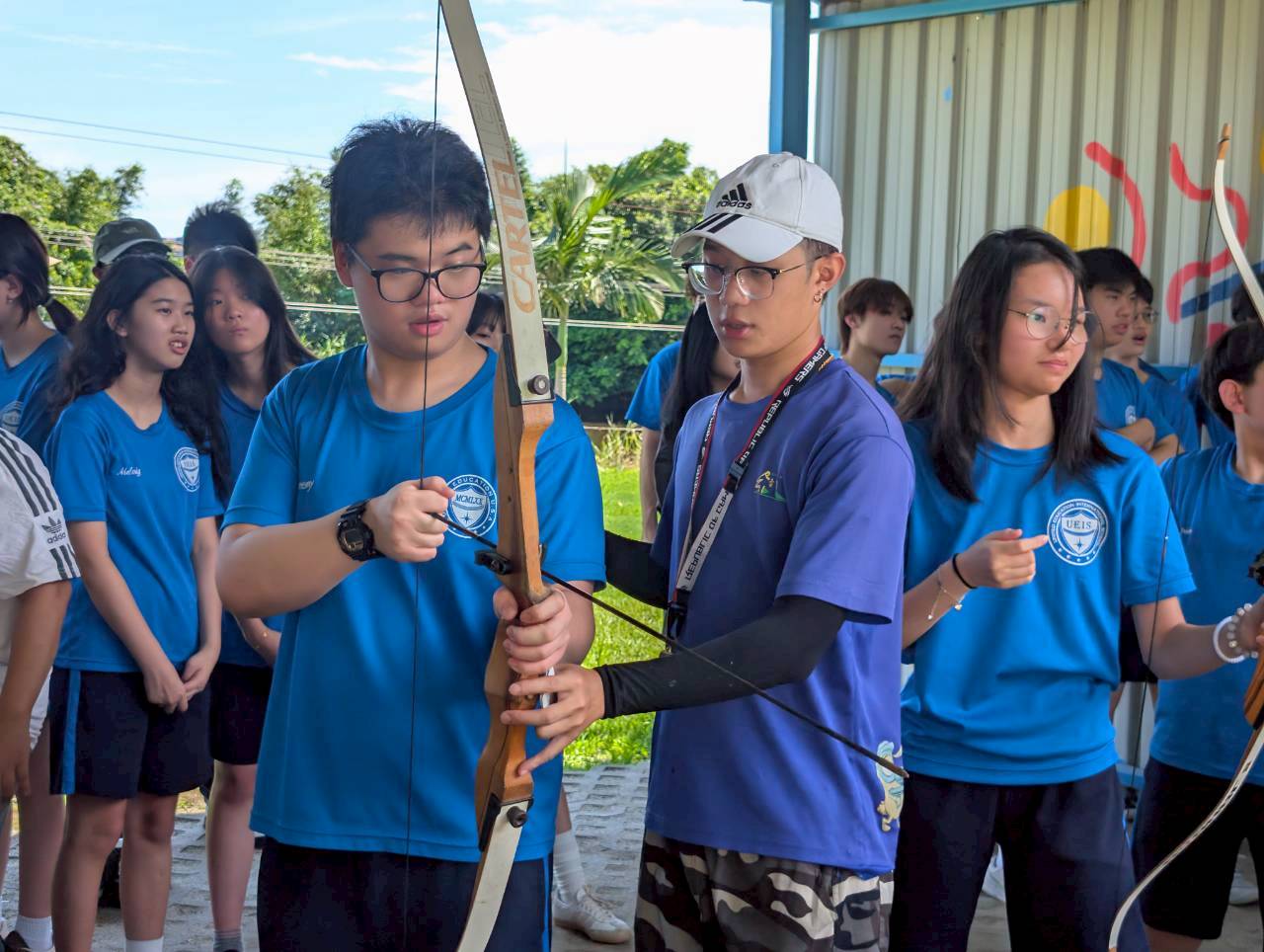
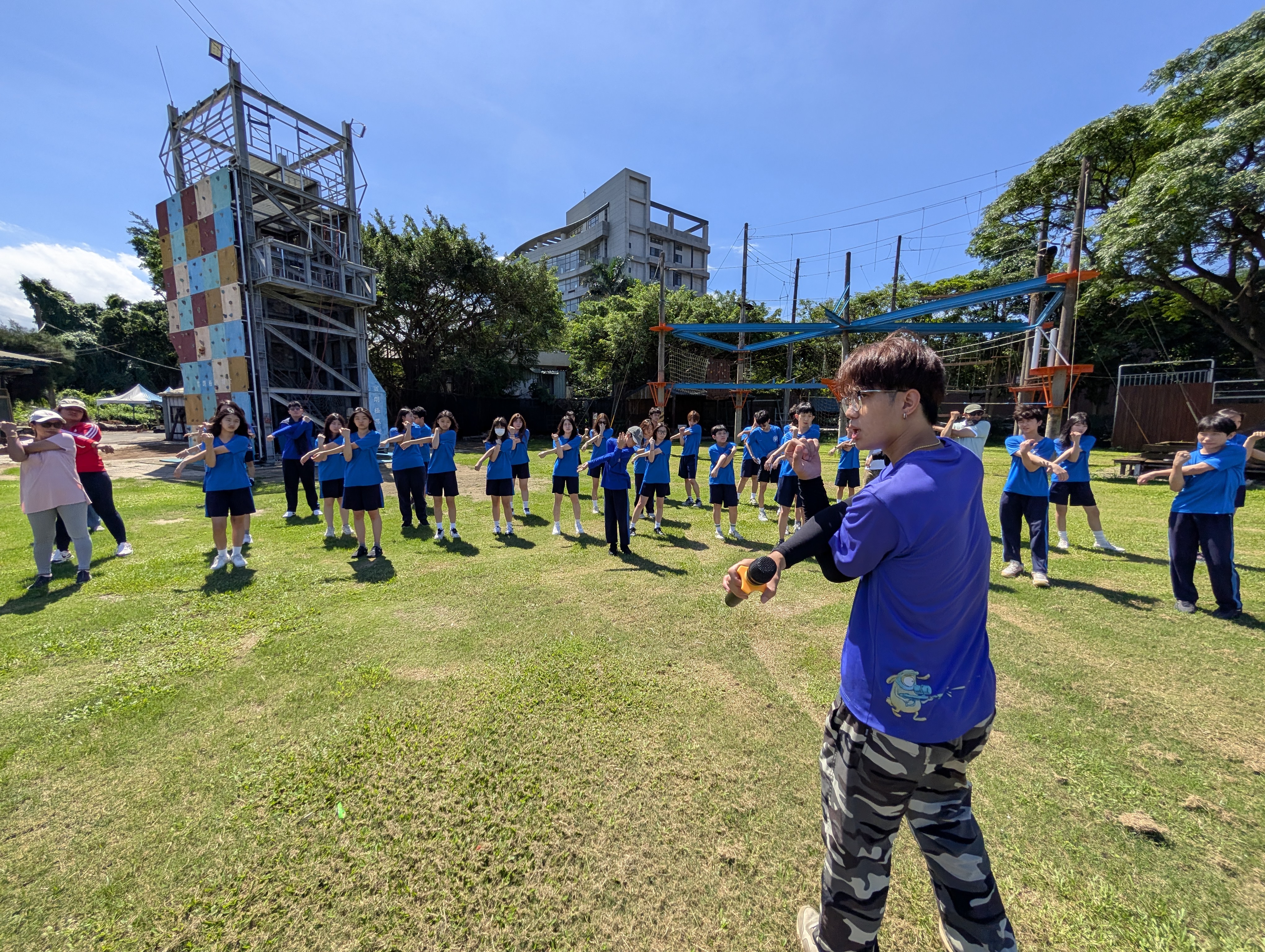
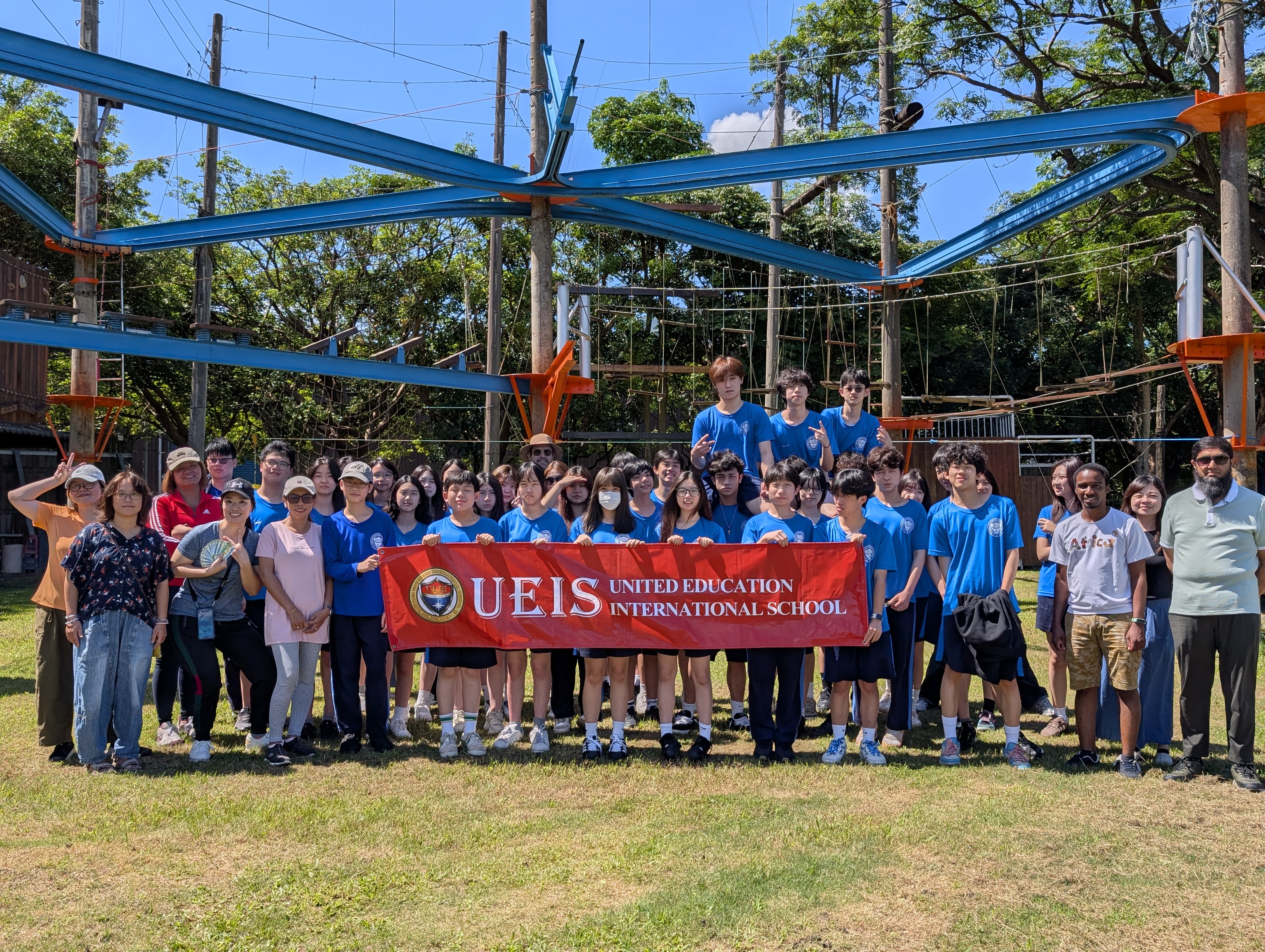
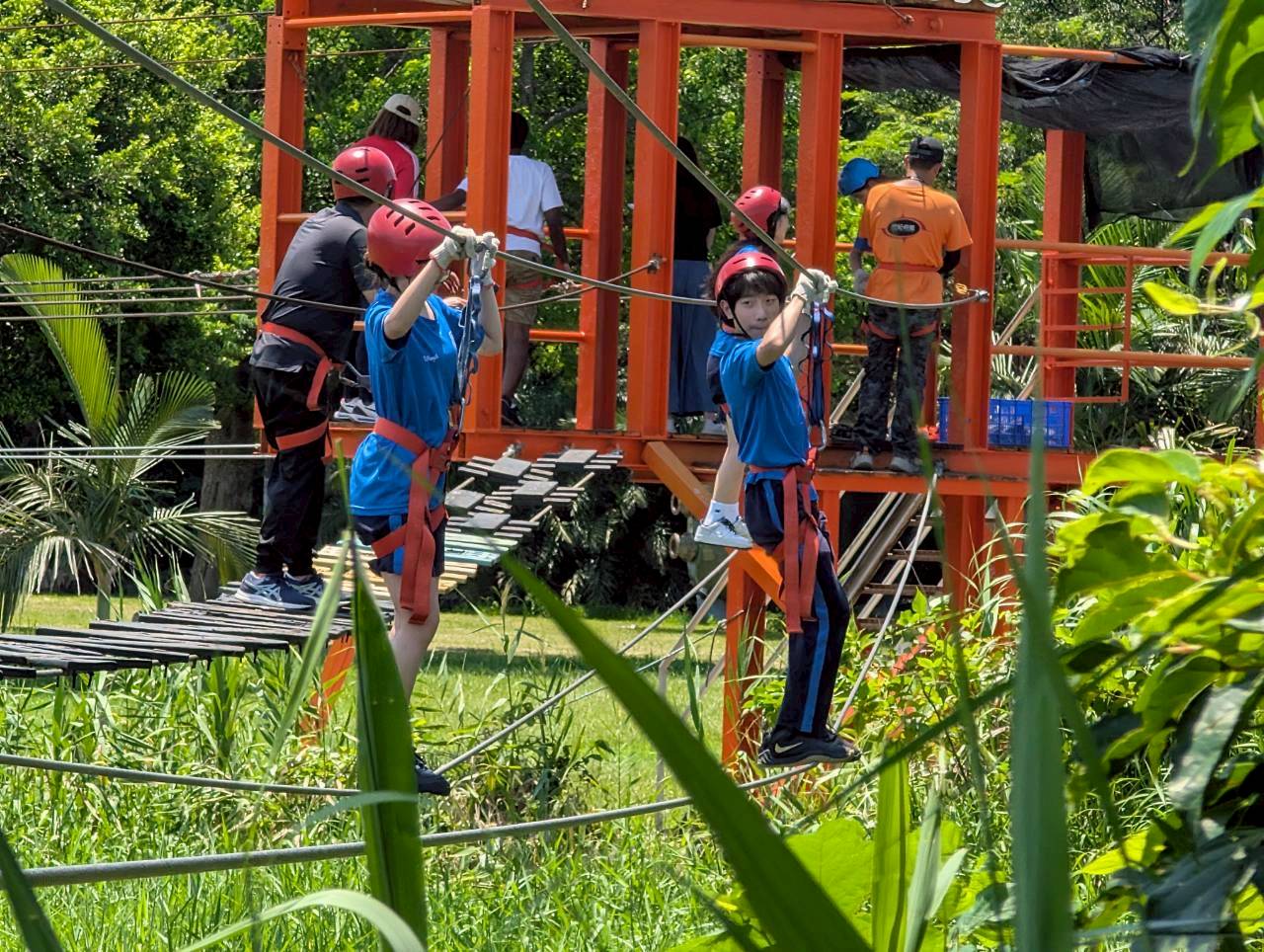
To help students internalize these advanced soft skills in practice, United Education International School (UEIS) led students to the Century Empire in Tamsui. Through carefully designed activities such as rock climbing, high and low ropes courses, and collaborative team challenges, students embarked on an outdoor learning journey built on trust, communication, and cooperation. This was far more than a simple field trip; it functioned as a dynamic laboratory for teamwork development and self-challenge among UEIS students.
During the activities, students were required to confront a series of unpredictable challenges alongside their teammates. For example, in a high ropes paired challenge, even strong individual physical ability is insufficient if students cannot synchronize their movement with a partner or communicate clearly and calmly under the psychological pressure of being suspended at height. Without alignment and communication, success becomes impossible.
Whether in team rock climbing, paired rope challenges, or group-based tasks, every activity continuously tested communication, problem-solving ability, and team cohesion in real time. From my professional observations as an admissions consultant, such environments offer exceptional educational value because they force high-achieving students—who are often accustomed to independent academic performance—to step beyond individual achievement. In these settings, individualism alone is no longer sufficient. Students must learn to listen to diverse perspectives and collectively identify optimal solutions within strict time constraints.
In post-activity reflections, UEIS students consistently expressed a similar shift in understanding:
“We originally thought these outdoor challenges could be completed simply with physical strength. After participating, we realized that the real difficulty was never physical ability, but team coordination. Because everyone thinks and moves differently, we constantly had to communicate, experiment, and adjust our strategies in order to complete the tasks successfully.”
This transformation—from individual performance to systems-based collaboration—represents exactly the kind of learning trajectory that elite U.S. admissions officers hope to see in application narratives. When teams ultimately succeed through collective intelligence, students gain far more than the achievement of reaching the top; they gain invaluable experience in trust-building, deep collaboration, and shared problem-solving.