

SCHOOL LIFESCHOOL LIFE
Most people view nutrition through the lens of calories and diets, but at UEIS, we view it through the lens of chemical bonds and molecular structures. Understanding personal nutrition is fundamentally an exercise in organic chemistry. By identifying the presence of reducing sugars, starches, and fibers, students begin to see their snacks and meals as complex chemical systems. This perspective empowers young learners to make informed choices, moving beyond "healthy" or "unhealthy" labels to understand how different molecules interact with human metabolism. When a student sees a solution turn deep red in a test tube, they aren't just seeing a color change; they are seeing the hidden energy profile of their favorite fruit or beverage.
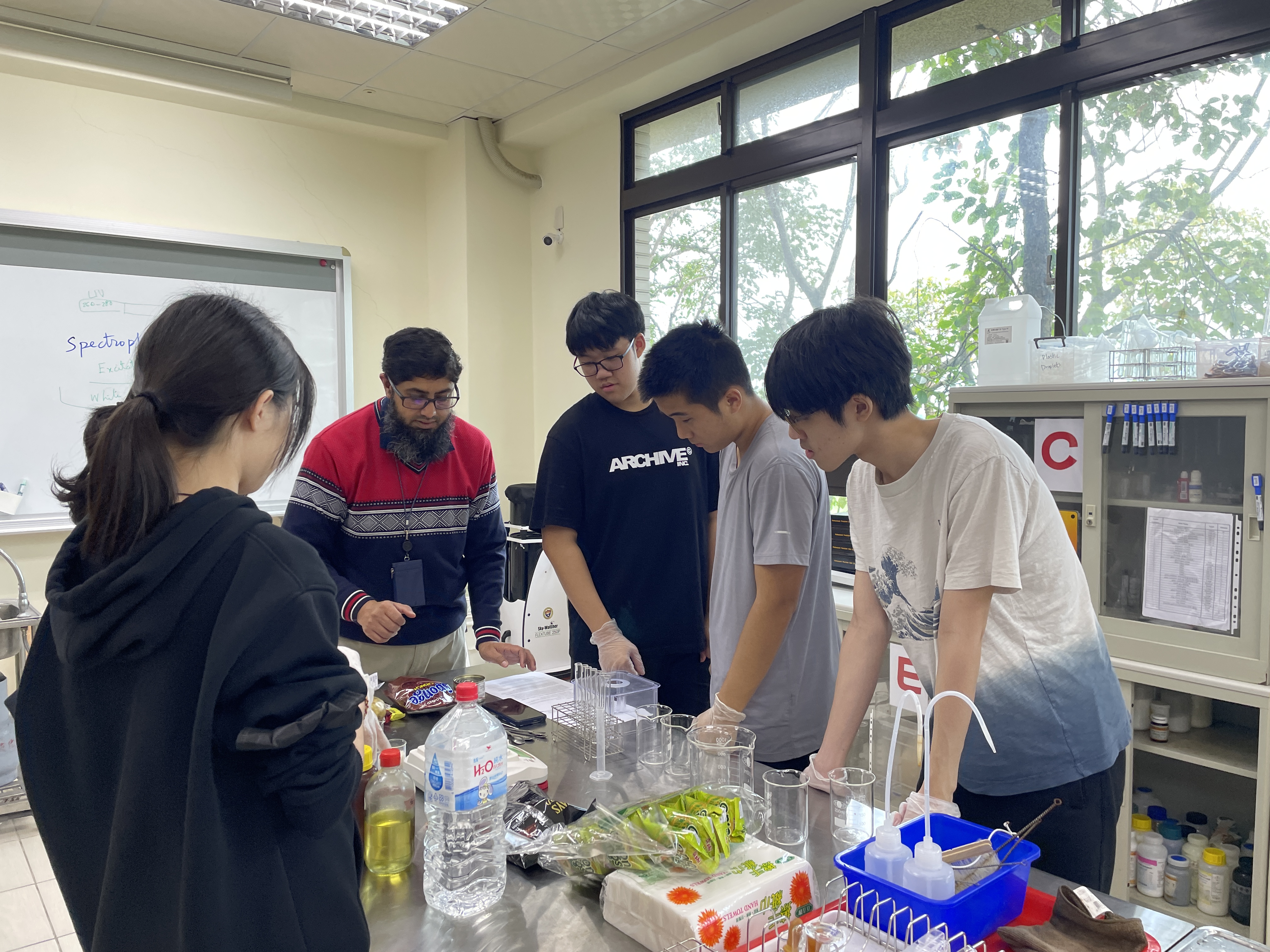
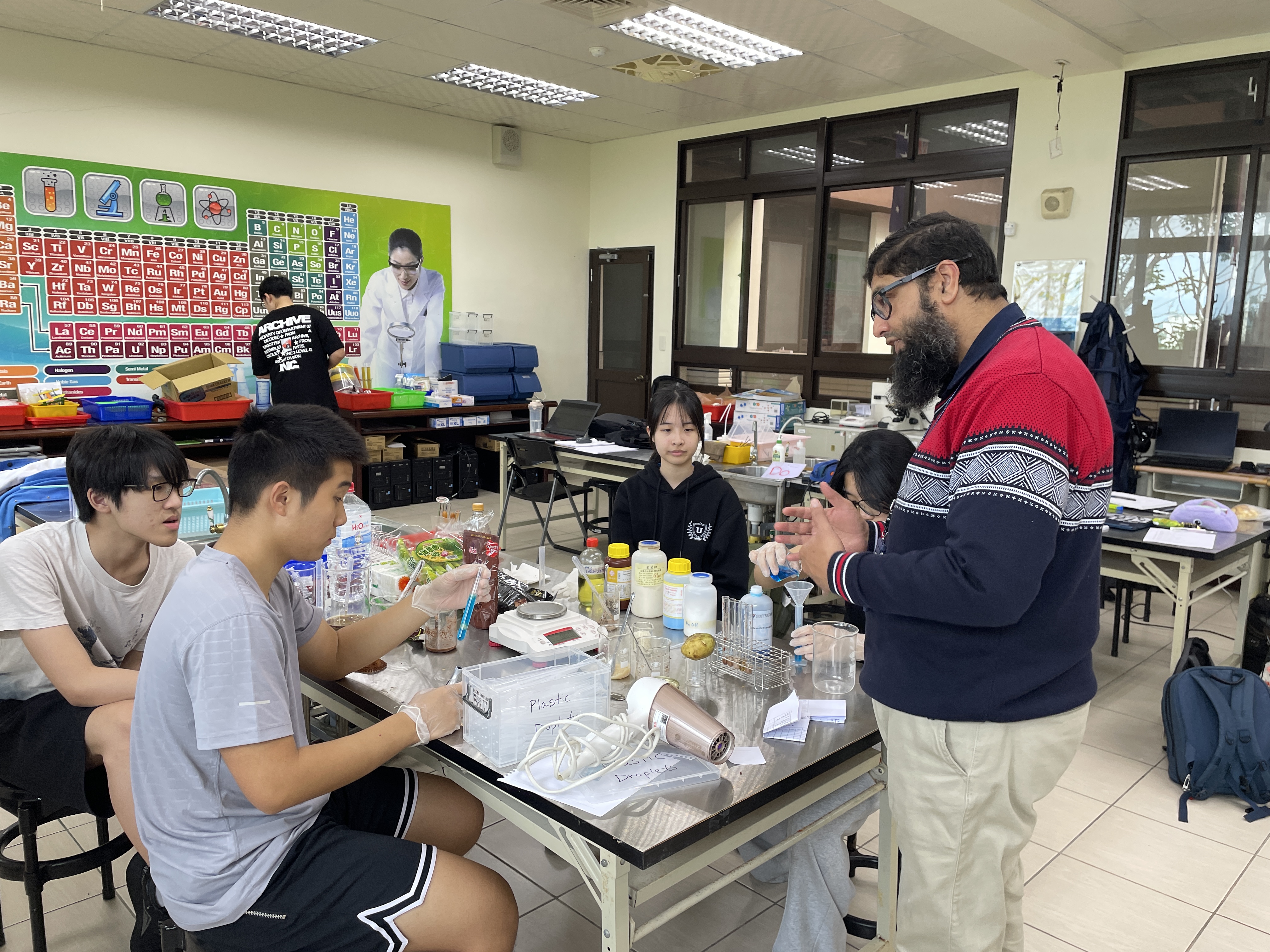
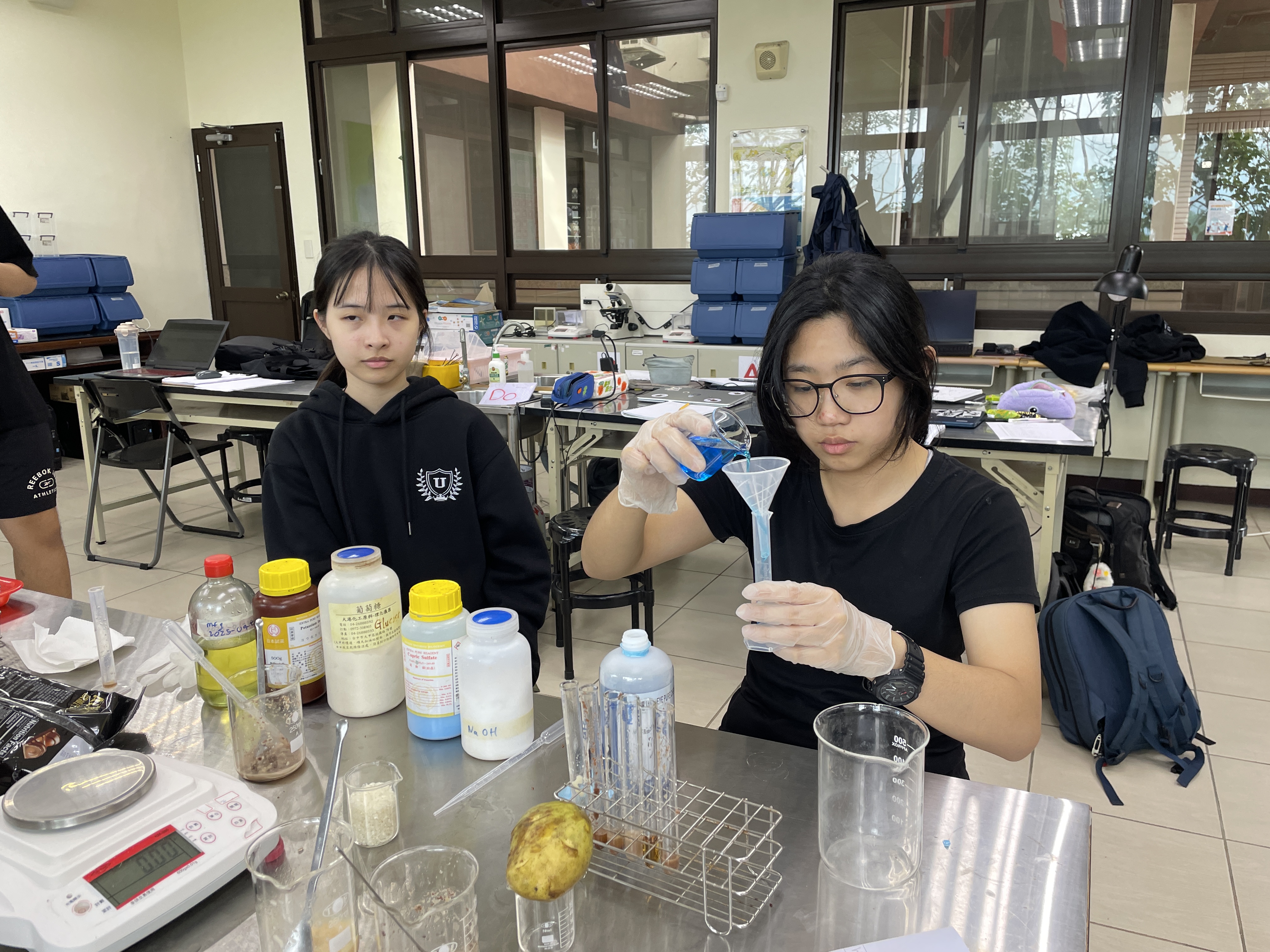
Under the guidance of our science faculty, students performed the Benedict’s Test, a classic biochemical procedure used to detect the presence of reducing sugars. This experiment serves as a perfect introduction to qualitative analysis, where the "answer" is revealed through a vibrant color spectrum.
Step-by-Step Laboratory Procedure:
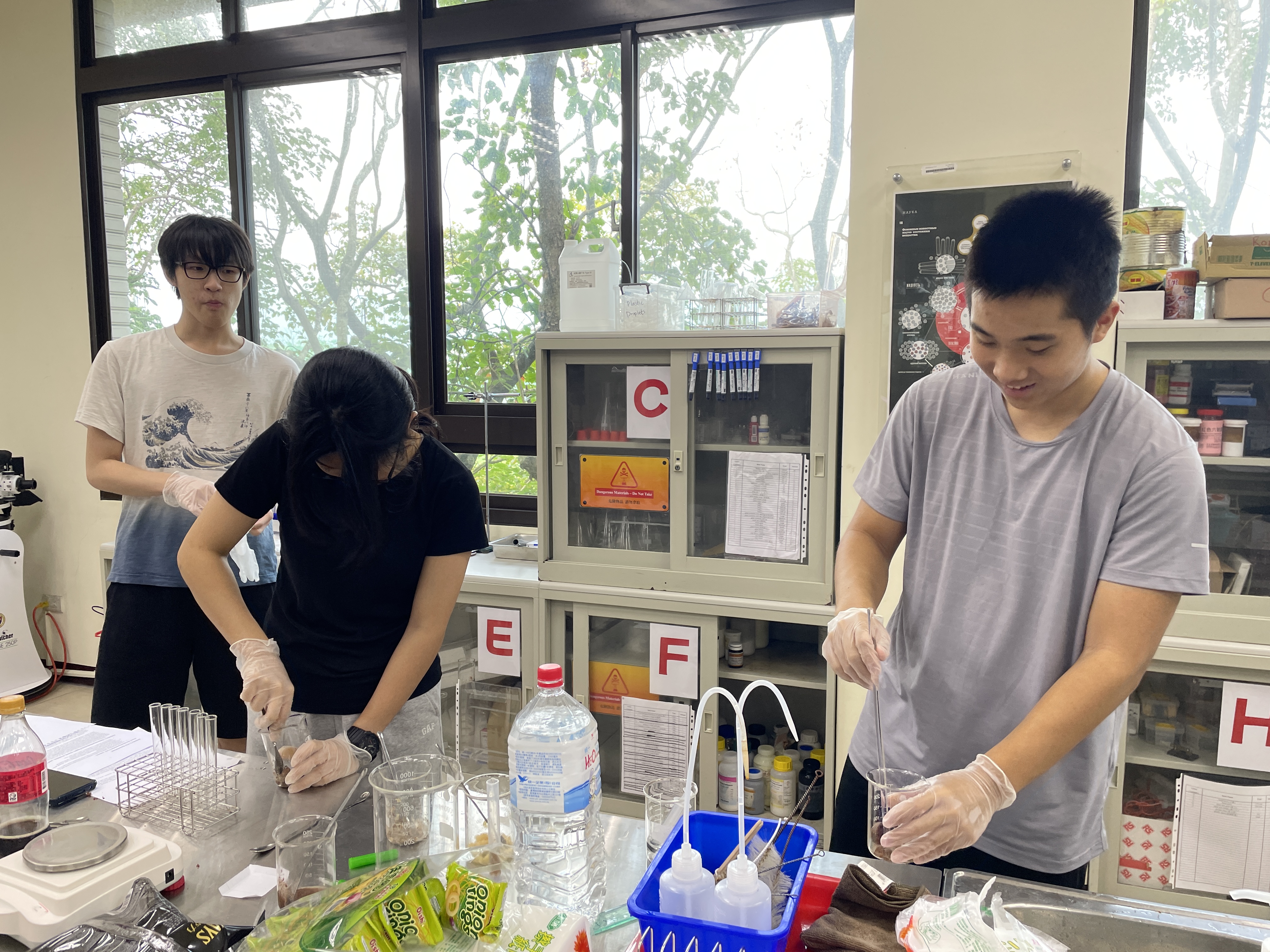
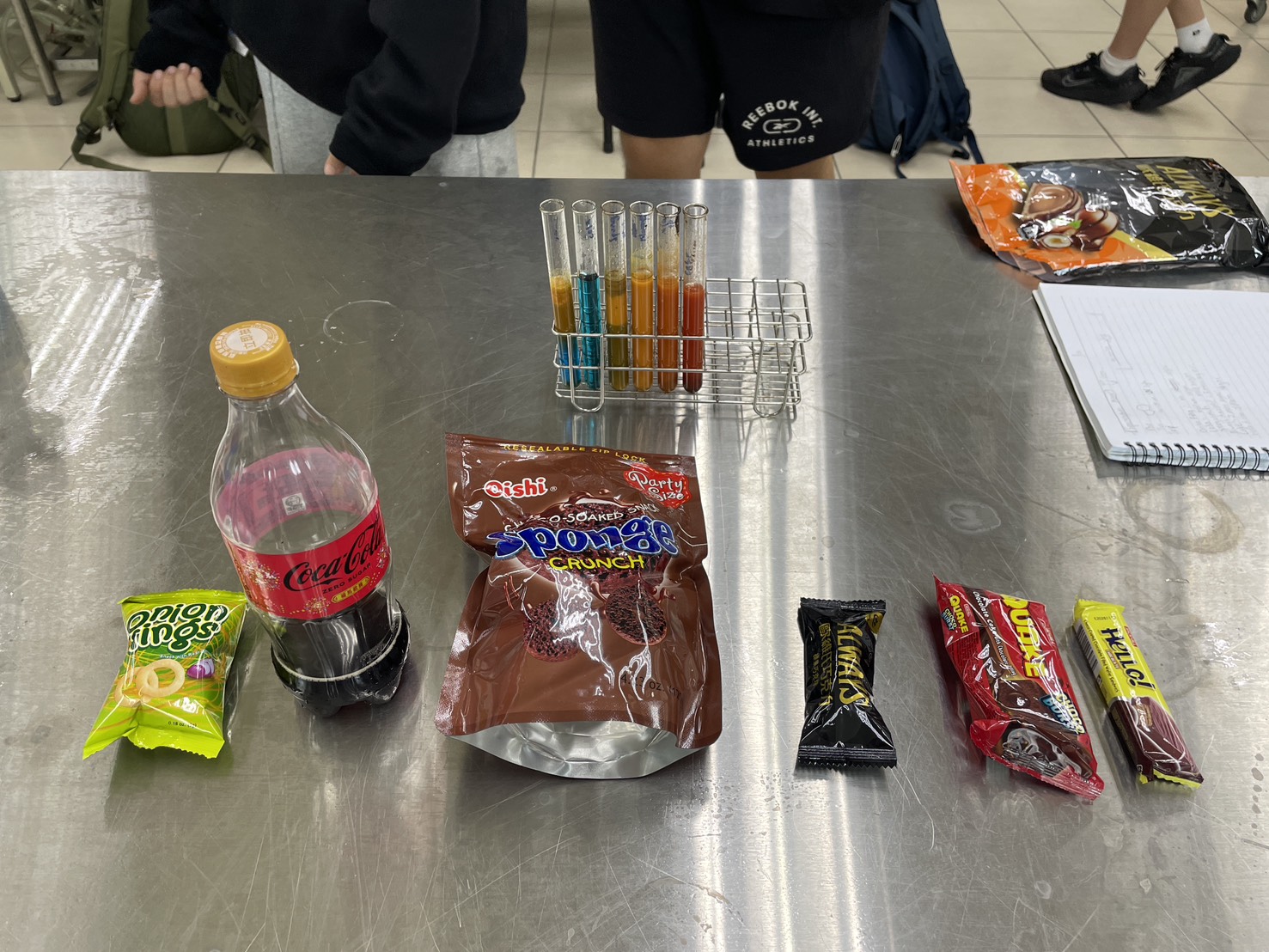
1. Sample Preparation: Students prepared various food samples (including glucose solutions, fruit juices, and starch suspensions) by dissolving them in distilled water to create a liquid extract.
2. The Reagent: Exactly 2ml of each sample was placed into labeled test tubes, followed by the addition of an equal volume of Benedict’s reagent—a deep blue solution containing copper(II) sulfate.
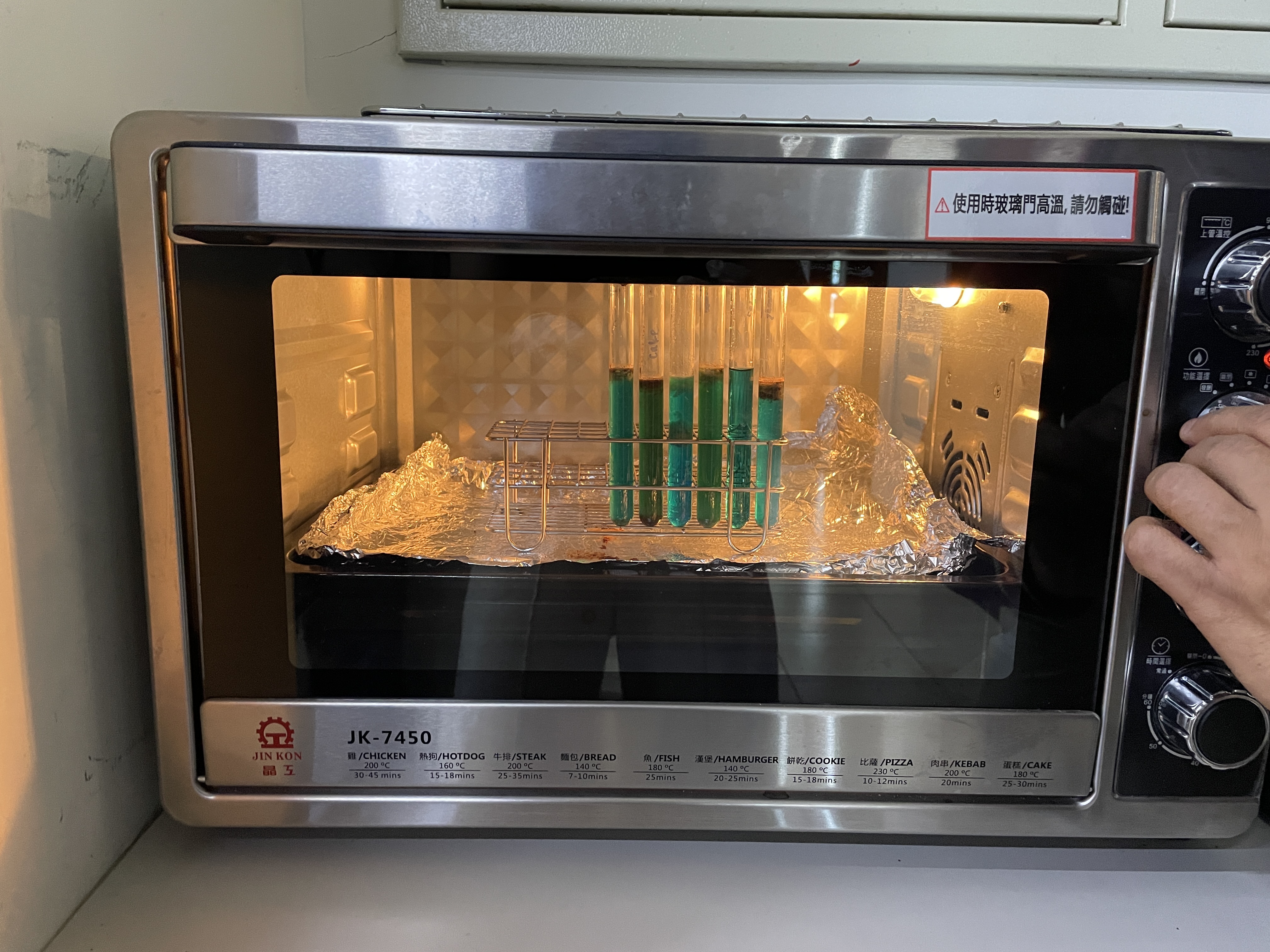
3. The Thermal Catalyst: The tubes were then placed in a boiling water bath for approximately five minutes. Heat is essential here to catalyze the redox reaction between the sugar molecules and the copper ions.
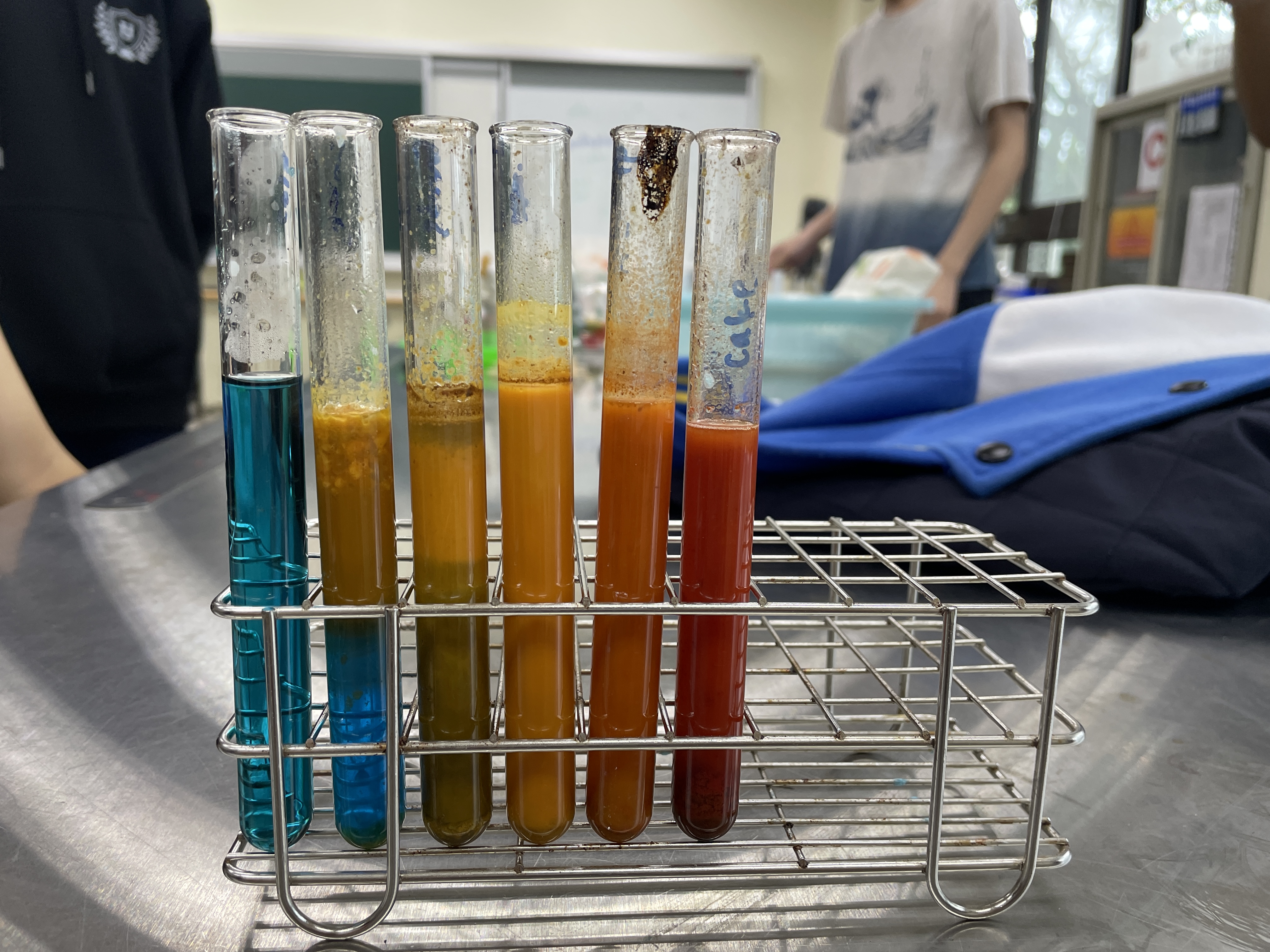
4. Observation of the Spectrum: As the reaction progressed, students witnessed the "color spectrum of concentration." A sample remaining “blue” indicated no reducing sugars. A change to “green” suggested trace amounts, “yellow” indicated low concentration, “orange” showed moderate levels, and a final “brick-red precipitate” signaled a high concentration of reducing sugars.
This visual gradient allows students to quantify sugar levels purely through observation, bridging the gap between abstract data and physical reality.
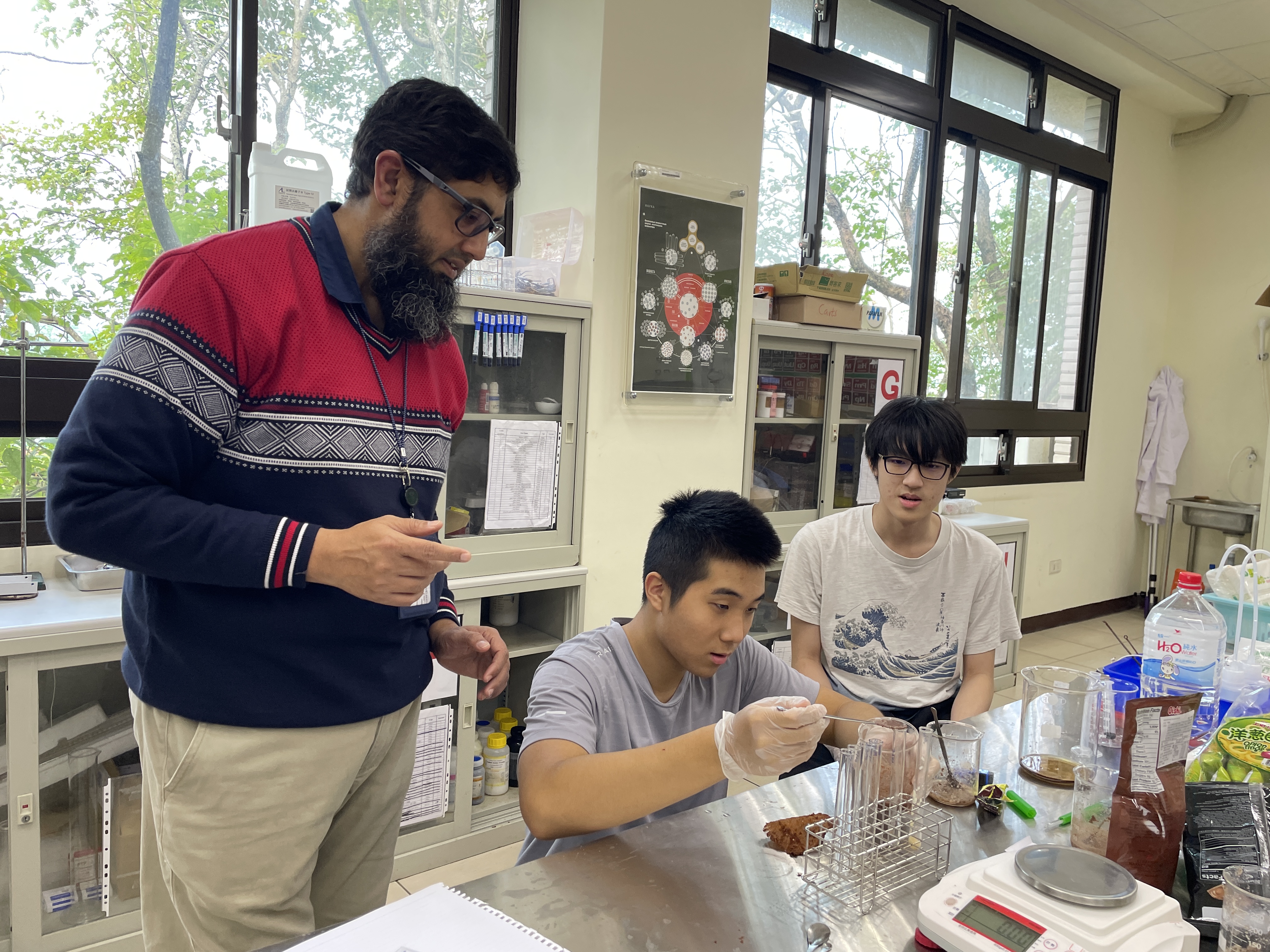
At the heart of these laboratory sessions is Teacher Abu’s core educational philosophy: “Experiential Learning”. Abu believes that a student’s eureka moment rarely happens while reading a lecture slide; it happens when their hands are busy and their eyes are wide with curiosity.
"In science, failure is just as educational as success," Teacher Abu often says. "When an experiment doesn't go as planned, that is where the real thinking begins." His approach focuses on the "Why" rather than the "What." By allowing students to handle the equipment, manage the heat sources, and interpret the chromatic results themselves, Abu fosters a sense of ownership over their education. This hands-on methodology ensures that the principles of chemistry are etched into their memory through physical experience, rather than rote memorization.
UEIS is more than just a school; it is an incubator for the next generation of researchers and innovators. We foster a community where "Young Scientists" are encouraged to question everything. In our labs, students collaborate in teams, debating their findings and peer-reviewing each other's lab reports. This collaborative environment mimics the professional scientific world, teaching students that progress is made through collective inquiry and rigorous verification. We celebrate curiosity, and we treat every student as a lead investigator in their own right.
Our exploration of bio-molecules has only just begun. While we have mastered the detection of sugars, the complexities of proteins and lipids await. In the coming weeks, the UEIS lab will be testing for peptide bonds and fatty acids using Biuret and Sudan III tests.
Teacher Abu would like to extend a heartfelt thank you to everyone who provided snacks for this experiment. If you would like to participate in our next investigation and have snacks you would like tested for sugar, proteins, or lipids, please feel free to let Teacher Abu know!